
Beginner HIIT Workout: A 20-Minute High-Intensity Routine for Fat Burning and Better Fitness
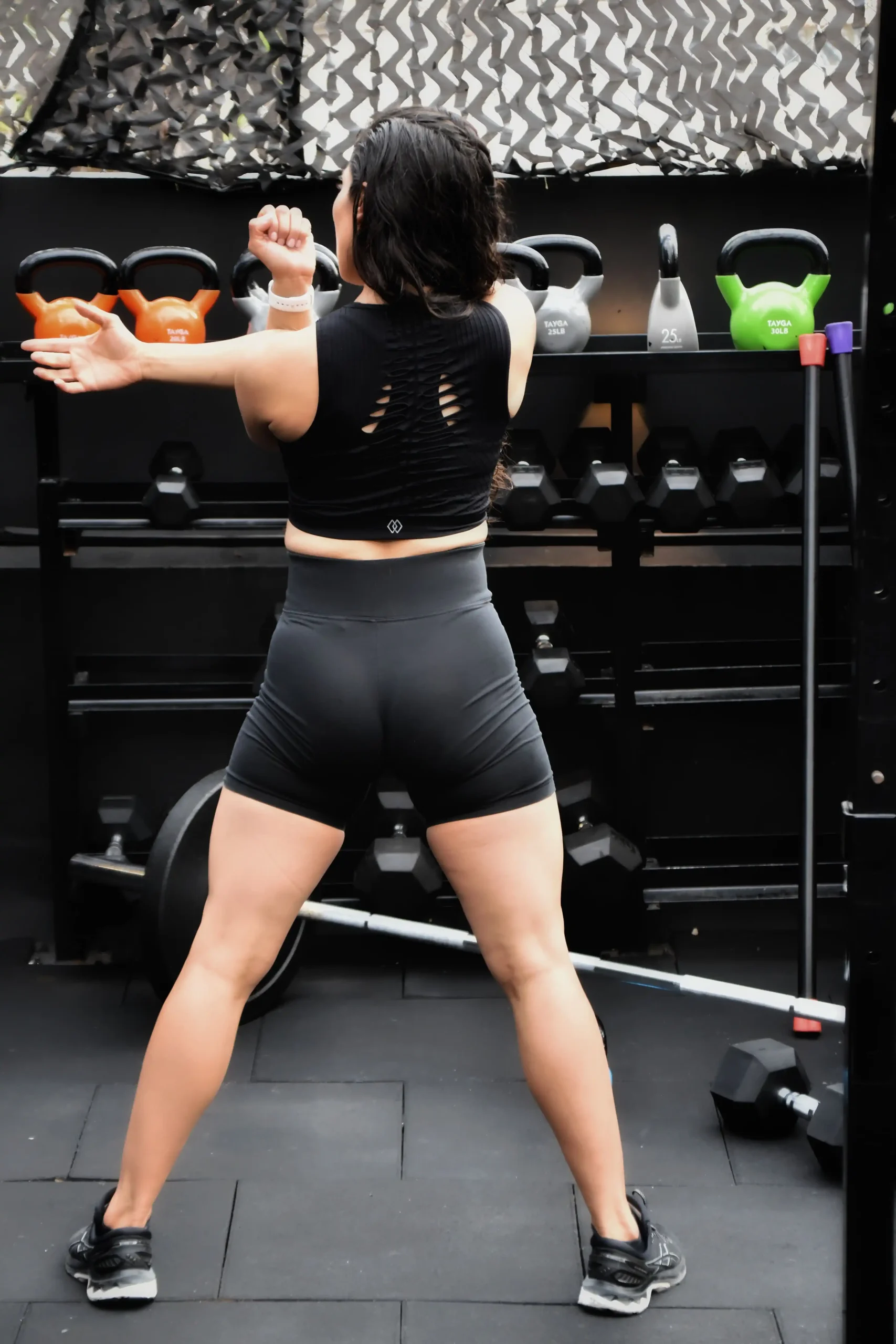
Starting a fitness journey can feel overwhelming, especially for beginners who are unsure where to start, what exercises to do, or how much time they need to spend working out. Many people believe that getting fit requires hours in the gym, expensive equipment, or complicated training programs. However, one of the most effective ways to improve fitness, increase endurance, and support fat-burning goals is through a simple workout method called High-Intensity Interval Training, commonly known as HIIT.
A beginner HIIT workout is designed around short periods of challenging exercise followed by recovery periods. Instead of spending a long time performing steady exercises, HIIT allows you to maximize your workout in a shorter amount of time by combining bursts of movement with controlled rest. This makes it an excellent option for busy individuals who want an efficient workout that can be completed at home or in the gym.
A 20-minute HIIT workout can help beginners build strength, improve cardiovascular fitness, increase energy levels, and develop consistency with exercise. The key is not to push yourself beyond your limits but to gradually improve your ability over time. When performed correctly, HIIT can become a powerful tool for creating a healthier lifestyle and building confidence in your fitness journey. Research has shown that HIIT can improve cardiorespiratory fitness compared with no exercise and may offer an efficient alternative to traditional training methods.
What Is HIIT and Why Is It Effective for Beginners?
High-Intensity Interval Training is a workout style that alternates between periods of intense movement and short recovery periods. During the high-intensity phase, you perform an exercise with more effort, such as jumping jacks, squats, mountain climbers, or fast-paced movements. During the recovery phase, you slow down, rest, or perform lighter movements to allow your body to prepare for the next interval.
Unlike traditional workouts where you may perform the same activity at the same pace for a longer period, HIIT challenges your body to adapt quickly. This can help improve stamina, muscular endurance, and overall physical performance.
For beginners, HIIT is effective because it can be adjusted to match your current fitness level. You do not need to perform every exercise at maximum intensity. Instead, beginners can focus on proper form, controlled movements, and gradually increasing effort as their fitness improves.
One of the biggest advantages of HIIT is efficiency. Many people struggle to maintain a workout routine because they feel they do not have enough time. A 20-minute HIIT workout removes that barrier by providing a structured routine that can fit into even the busiest schedule.
Benefits of a Beginner HIIT Workout
A beginner HIIT workout offers several benefits that make it an excellent starting point for anyone looking to improve their fitness.
One major benefit is improved cardiovascular endurance. HIIT challenges your heart and lungs by increasing and lowering your exercise intensity throughout the workout. Over time, this can help your body become more efficient at using oxygen and handling physical activity.
Another advantage is that HIIT supports calorie burning and body composition goals. Because the workout involves repeated bursts of effort, it can create a challenging training stimulus in a short period. Combined with balanced nutrition and healthy lifestyle habits, HIIT can support long-term fitness progress.
HIIT can also help improve strength and muscle endurance. Many beginner HIIT workouts include bodyweight exercises that target multiple muscle groups, including the legs, core, shoulders, and arms. Exercises such as squats, push-ups, and lunges help beginners develop functional strength needed for everyday activities.
Additionally, HIIT can improve confidence. Many beginners feel motivated when they complete a workout that once seemed difficult. Building small achievements over time can create consistency and make exercise feel more enjoyable.
How to Prepare Before Your First HIIT Workout
Before starting any HIIT workout, preparation is important. Since HIIT involves periods of increased effort, beginners should take time to warm up properly and prepare their muscles.
Start with a five-minute warm-up that includes simple movements such as walking in place, arm circles, hip rotations, and gentle bodyweight squats. A warm-up increases blood flow and helps your body transition into exercise.
It is also important to wear comfortable workout clothing and supportive shoes, especially when performing movements that involve jumping or quick changes in direction. Beginners should exercise on a safe surface with enough space to move freely.
Remember that intensity does not mean exhaustion. The goal is to challenge yourself while maintaining proper form. If an exercise feels too difficult, modify the movement instead of forcing your body into an unsafe position.
The 20-Minute Beginner HIIT Workout Routine
This beginner-friendly HIIT workout requires no equipment and can be performed at home. The workout follows a simple structure: 40 seconds of exercise followed by 20 seconds of rest. Complete each exercise for one round, then repeat the circuit three times.
Exercise 1: Jumping Jacks
Jumping jacks are a great beginner cardio exercise that helps increase heart rate and warm up the entire body. Stand with your feet together and arms at your sides. Jump while moving your feet outward and raising your arms overhead. Return to the starting position and repeat.
For a low-impact version, step one foot out at a time instead of jumping.
Exercise 2: Bodyweight Squats
Squats strengthen the lower body, including the thighs, hips, and glutes. Stand with your feet shoulder-width apart and slowly lower your hips as if you are sitting into a chair. Keep your chest lifted and push through your heels to return to standing.
Focus on quality movement rather than speed. Proper squat form is more important than completing many repetitions.
Exercise 3: Mountain Climbers
Mountain climbers are a full-body exercise that targets the core while increasing cardiovascular intensity. Start in a plank position and bring one knee toward your chest, then switch legs in a controlled motion.
Beginners can slow down the movement or perform mountain climbers with their hands elevated on a chair or bench.
Exercise 4: Modified Push-Ups
Push-ups help strengthen the chest, shoulders, arms, and core. Beginners can perform push-ups from their knees or against a stable surface such as a wall or bench.
Keep your body controlled throughout the movement and avoid rushing through repetitions.
Exercise 5: Reverse Lunges
Reverse lunges improve lower-body strength and balance. Step one foot backward, lower your body until both knees are bent, then return to the starting position. Alternate legs throughout the exercise.
This movement helps strengthen the legs while improving coordination.
Beginner HIIT Workout Schedule for Long-Term Progress
While HIIT is effective, beginners do not need to perform intense workouts every day. Your body needs time to recover and adapt.
A good beginner schedule may include two to three HIIT workouts per week combined with other forms of movement such as walking, stretching, yoga, or strength training.
Consistency is more important than intensity. Completing shorter workouts regularly will produce better results than doing an extremely difficult workout once and stopping because it feels overwhelming.
As your fitness improves, you can increase workout duration, reduce rest periods, or add more challenging exercises.
Common Beginner HIIT Mistakes to Avoid
One common mistake beginners make is starting too aggressively. HIIT should feel challenging, but it should not leave you unable to complete the workout safely. Progress gradually and allow your body to adjust.
Another mistake is ignoring proper form. Performing exercises incorrectly can reduce effectiveness and increase the risk of injury. Slow down when necessary and focus on controlled movements.
Many beginners also forget the importance of recovery. Rest days allow muscles to repair and improve. Without enough recovery, workouts may become harder and motivation may decrease.
Finally, avoid focusing only on exercise while ignoring nutrition. Fitness results come from a combination of movement, balanced meals, hydration, and healthy habits.
Nutrition Tips to Support Your HIIT Training
Exercise and nutrition work together when building a healthier body. Eating balanced meals with protein, carbohydrates, healthy fats, vitamins, and minerals can support energy levels and recovery.
Before a workout, many people benefit from eating a light meal or snack that provides energy. After exercising, protein-rich foods can help support muscle recovery.
For those looking for healthier snack options, adding nutrient-focused choices can help maintain energy throughout the day. A balanced snack option like Skinii Chocolate Almond Bark can be included as part of a mindful nutrition routine: Skinii® Chocolate Almond Bark

The goal is not perfection but creating sustainable habits that support your fitness lifestyle.
How to Stay Motivated as a Fitness Beginner
Starting a workout routine is often the hardest part. Many beginners lose motivation because they expect immediate results. However, fitness improvements happen gradually.
Instead of focusing only on weight changes, pay attention to other improvements such as increased energy, better endurance, improved mood, and greater confidence.
Creating realistic goals can also help you stay consistent. Start with completing your first HIIT workout, then aim to exercise regularly each week. Small achievements build momentum.
Tracking your progress through workout notes, photos, or personal milestones can remind you how far you have come.
Final Thoughts: Start Your Fitness Journey With Beginner HIIT
A beginner HIIT workout is one of the simplest ways to introduce exercise into your lifestyle. With just 20 minutes, you can challenge your body, improve endurance, build strength, and create a foundation for long-term fitness.
The most important part of HIIT is not how fast you move or how many repetitions you complete. The real goal is building consistency and developing a positive relationship with exercise.
Whether you are exercising at home, returning after a long break, or starting your first fitness routine, a beginner HIIT workout can help you take that first step toward better health. Start slowly, stay consistent, listen to your body, and remember that every workout is progress toward becoming stronger and healthier.



Leave a Comment