
The GLP-1 Baby Boom Story: How Weight Loss Medication Changed One Woman’s Fertility Journey
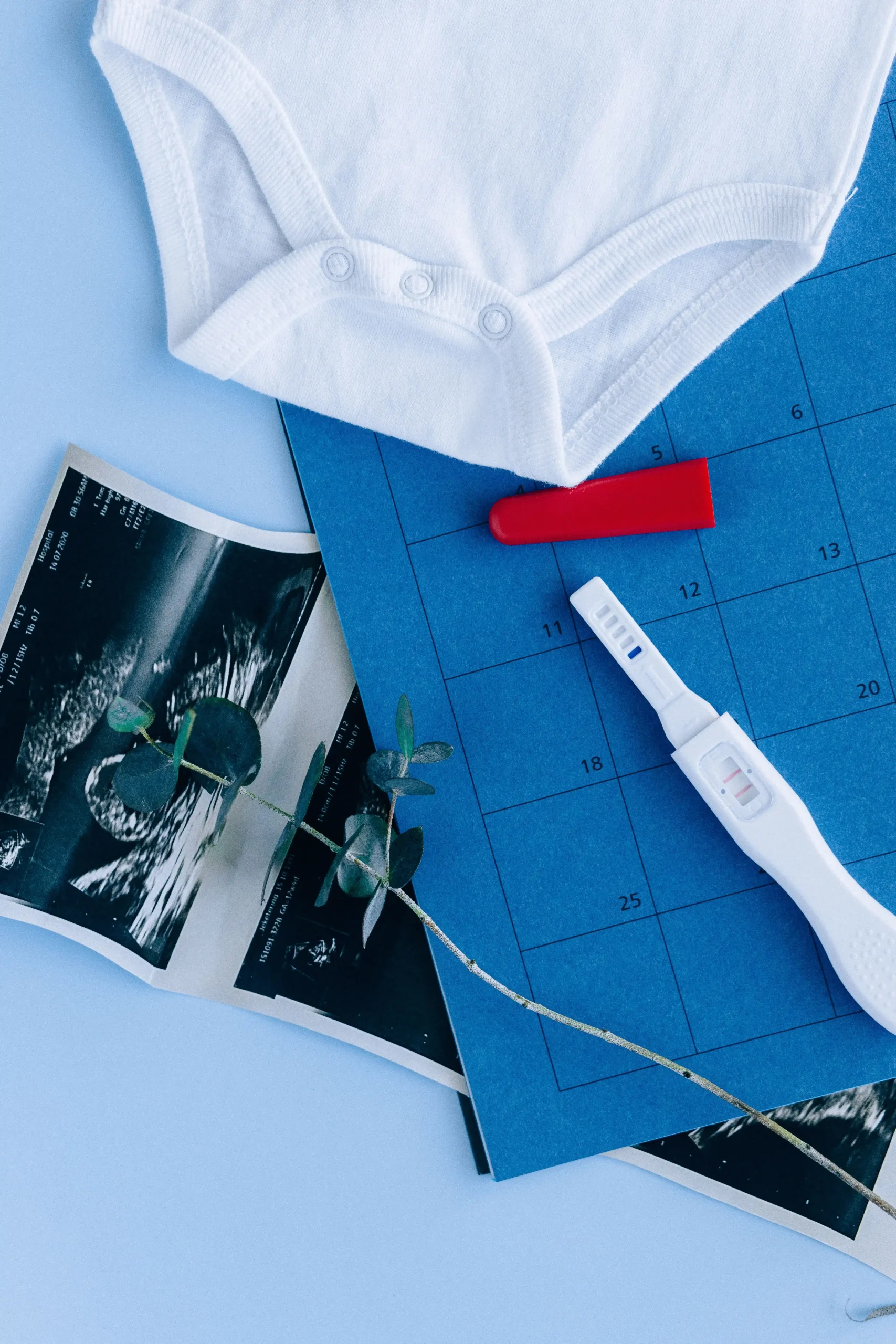
For many women struggling with infertility, the journey to motherhood can involve years of unanswered questions, medical appointments, lifestyle changes, and emotional disappointment. Some are told that hormonal conditions, irregular ovulation, or metabolic health problems may be making conception more difficult. Others spend years trying different approaches without knowing whether they will ever get the positive pregnancy test they have been hoping for.
Recently, another unexpected part of the fertility conversation has emerged: GLP-1 medications.
Originally developed to help manage Type 2 diabetes, certain GLP-1 medications have become widely recognized for their role in weight management. Drugs such as semaglutide, sold under brand names including Ozempic and Wegovy, can help eligible patients lose weight and improve certain metabolic health markers. But as more women share their experiences online, a new question has attracted attention: Could weight loss associated with GLP-1 treatment also influence fertility?
One woman’s experience has brought this question into focus. Afua, who lives in the United Kingdom, had struggled with both her weight and fertility. After previously becoming pregnant with her first son through lifestyle and nutritional support, she later began taking Ozempic under the recommendation of her endocrinologist. She reportedly lost approximately 30 kilograms in less than nine months. After stopping the medication when she was ready to try for another child, she became pregnant with her second son four months later.
Her experience, reported by The Guardian in September 2024, is one of the personal stories contributing to conversations about GLP-1 medications and fertility. However, it is important to understand that her pregnancy followed treatment but does not establish that Ozempic directly caused it. Her story offers a glimpse into a developing area of medical research, not a guaranteed fertility solution.
A Woman Who Had Already Experienced Fertility Challenges
Afua’s journey was not a simple story of taking a weight-loss medication and unexpectedly becoming pregnant. Before starting Ozempic, she had already experienced the emotional and physical challenges of trying to conceive.
She worked with nutritionists who specialized in polycystic ovary syndrome, commonly known as PCOS. Their focus was on optimizing her diet and supporting ovulation. After approximately a year and a half of working on these changes, she became pregnant naturally with her first son in 2020, despite not losing weight during that period.
Two years later, Afua began taking Ozempic after receiving a recommendation from her private endocrinologist. According to her interview with The Guardian, she lost around 30 kilograms in less than nine months.
When she eventually decided she was ready to have another child, she stopped taking the medication. Four months later, she discovered she was pregnant with her second son.
For Afua, the experience was life-changing. She described the benefits of treatment as having a positive effect on her overall well-being, and her partner also recognized how much happier she seemed.
Her story is particularly interesting because it connects three issues that frequently overlap in women’s health: weight management, hormonal health, and reproductive health.
Understanding the Connection Between Weight and Fertility
Weight is not the only factor influencing fertility, but metabolic health can play an important role in reproductive function.
In some women, excess body weight is associated with insulin resistance and hormonal changes that can interfere with normal ovulation. Ovulation is the process through which an ovary releases an egg during the menstrual cycle. When this process becomes irregular or stops, conceiving naturally may become more difficult.
This is particularly relevant for women with PCOS.
PCOS is a hormonal and metabolic condition that can cause irregular menstrual cycles, increased androgen levels, acne, excess facial or body hair, and difficulties with ovulation. Not every woman with PCOS experiences the same symptoms, and the condition can affect women at different body sizes.
For some women with PCOS who also have excess weight or insulin resistance, improving metabolic health and losing weight may help support more regular menstrual cycles and ovulation.
According to reproductive medicine specialists interviewed by The Guardian, weight reduction may improve fertility in some women because excess weight can interfere with ovulation and other aspects of reproductive function. Researchers are also investigating how improved insulin sensitivity may help restore hormonal balance in women with PCOS.
This does not mean every woman with PCOS needs to lose weight to become pregnant. Fertility is influenced by multiple factors, including age, ovarian function, fallopian tube health, sperm quality, and other medical conditions.
How GLP-1 Medications May Influence Reproductive Health
GLP-1 stands for glucagon-like peptide-1, a hormone involved in blood sugar regulation and appetite control. GLP-1 receptor agonists mimic the activity of this hormone and help regulate blood glucose, appetite, and food intake.
Semaglutide is one example. It is used in different prescription products for specific medical indications, including Type 2 diabetes and chronic weight management in eligible patients.
For women with obesity and PCOS, one possible benefit of medically supervised weight management is improved insulin sensitivity. Insulin resistance can contribute to hormonal imbalances associated with irregular ovulation. When metabolic health improves, some women may experience changes in menstrual regularity and reproductive function.
This is one possible explanation behind stories of women becoming pregnant after losing weight with GLP-1 treatment.
However, scientists are still studying whether these medications have reproductive effects beyond those associated with weight reduction and metabolic improvements. There is not enough evidence to consider semaglutide or other GLP-1 medications established fertility treatments.
A 2025 clinical case report published in the Journal of the Endocrine Society described a woman with PCOS, obesity, and Type 2 diabetes who experienced improved blood sugar control and weight loss during GLP-1-based treatment. She subsequently became unexpectedly pregnant. The medication was discontinued after pregnancy was identified, and she later delivered her child.
The report is interesting because it illustrates a possible connection between improved metabolic health and fertility. However, a single case report cannot establish that the medication caused the pregnancy or demonstrate that the same outcome will occur in other patients.
Why Women With PCOS May Notice Changes in Their Menstrual Cycles
One of the most important aspects of the GLP-1 and fertility conversation involves PCOS-related ovulation problems.
Women with PCOS may experience irregular periods because the hormonal signals responsible for releasing an egg do not function normally. Some women ovulate infrequently, while others may not ovulate consistently at all.
Insulin resistance is common in PCOS and can contribute to higher insulin levels. This may influence androgen production and interfere with the hormonal processes involved in ovulation.
When a woman experiences improvements in insulin sensitivity and metabolic health, her menstrual cycle may become more regular. In some cases, ovulation may resume or become more predictable.
This is one reason researchers are investigating GLP-1 medications in women with PCOS.
A 2023 systematic review and meta-analysis examined GLP-1 receptor agonists and reproductive outcomes in women with PCOS. The researchers reported improvements in natural pregnancy rates and menstrual cyclicity in the studies they analyzed. However, the evidence does not establish GLP-1 medications as routine fertility treatments, and further research is needed to understand their benefits, limitations, and safety around conception.
The important distinction is that improved metabolic health may support reproductive function in certain patients. It does not mean that taking a weight-loss medication will automatically restore ovulation or resolve infertility.
The Unexpected Pregnancy Conversation
The term “Ozempic babies” has become popular on social media as women share stories of unexpected pregnancies after starting GLP-1 medications.
Some women report that they struggled with infertility for years before becoming pregnant following weight loss or changes in their metabolic health. Others describe discovering a pregnancy they had not planned.
These stories have attracted attention because they challenge the assumption that weight-loss medication affects only appetite and body weight.
However, the experiences are not all the same. Some women have PCOS, others have Type 2 diabetes or obesity, and some have different reproductive histories. Their pregnancies may also involve other changes in health, lifestyle, or fertility treatment.
Medical experts have suggested that improved ovulation following weight reduction could help explain some of these pregnancies. Researchers are also examining other possible mechanisms, although much remains unknown.
It is equally important to remember that pregnancy can happen even when someone has previously experienced difficulty conceiving. A history of irregular periods or infertility does not necessarily mean pregnancy is impossible.
For women who do not wish to become pregnant, this possibility makes contraception and medical counseling particularly important while taking these medications.
Why GLP-1 Medications Should Not Be Used During Pregnancy
Despite the encouraging personal stories, GLP-1 medications are not recommended as a way to become pregnant, and weight-loss treatment should not continue during pregnancy without specific medical direction.
Semaglutide has a long half-life, meaning it remains in the body for an extended period after the final dose. The United States Food and Drug Administration prescribing information for Wegovy advises patients using semaglutide for weight reduction to discontinue the medication at least two months before a planned pregnancy because of this long half-life.
The prescribing information also warns that semaglutide may cause fetal harm and advises discontinuing the medication when pregnancy is recognized for patients using it for weight reduction or cardiovascular risk reduction.
This guidance is important for anyone planning to conceive. A woman considering pregnancy should speak with her prescribing doctor and obstetric or fertility specialist before making changes to medication.
Patients should not stop or change treatment without professional guidance, particularly when the medication is also being used to manage diabetes. Blood sugar management may need to be adjusted before conception to protect both maternal and fetal health.
The safety considerations also apply to women who discover an unexpected pregnancy while taking a GLP-1 medication. They should contact their healthcare professional promptly for individualized advice rather than attempting to manage the situation alone.
Fertility Planning Requires More Than Weight Loss
For women hoping to conceive, improving metabolic health may be one part of a broader preconception plan.
A healthcare professional may assess menstrual history, blood sugar levels, thyroid function, hormone levels, medications, and other factors that could affect pregnancy. For women with PCOS, the assessment may also include evaluating insulin resistance and whether ovulation is occurring regularly.
Lifestyle changes can be part of this process. Balanced nutrition, appropriate physical activity, adequate sleep, and management of underlying health conditions may help support overall reproductive health.
For some women, weight management may be medically recommended. Others may need fertility medications, ovulation induction, assisted reproductive technology, or treatment for an unrelated reproductive condition.
The right approach depends on the individual’s medical history and fertility goals.
This is especially important because infertility is not always caused by a woman’s weight or hormones. Male-factor infertility, blocked fallopian tubes, diminished ovarian reserve, endometriosis, age-related changes, and other conditions can also influence the ability to conceive.
Weight loss medication should never replace a proper fertility evaluation.
The Emotional Side of the Fertility Journey
Afua’s story also highlights the emotional side of trying to conceive.
For women who have experienced infertility, each month can bring a mixture of hope and uncertainty. Pregnancy announcements, family questions, and repeated unsuccessful attempts can make the experience especially difficult.
When a woman has PCOS or metabolic health concerns, she may also feel frustrated by symptoms that affect her weight, menstrual cycle, and confidence.
Finding a treatment plan that improves overall health can therefore feel meaningful beyond the physical results.
Afua’s experience suggests that the benefits she noticed from weight loss treatment extended into her sense of well-being. Her story is a reminder that reproductive health, metabolic health, and emotional health are often connected in ways that deserve attention.
Still, a positive fertility experience should not create unrealistic expectations for other women. Not everyone who loses weight will become pregnant, and not every woman with PCOS has difficulty conceiving.
There is no single path to motherhood, and no medication can guarantee a particular outcome.
What Women Should Know Before Considering GLP-1 Treatment
The growing interest in GLP-1 medications has made it especially important for women of reproductive age to discuss pregnancy plans before starting treatment.
A healthcare professional can help determine whether a medication is appropriate based on a person’s medical history, current health, and future goals. Women who are actively trying to conceive should discuss alternative approaches to weight management and fertility care rather than starting a GLP-1 medication for the purpose of becoming pregnant.
Those who are taking semaglutide and planning a pregnancy should follow the recommended discontinuation period. For semaglutide products such as Wegovy, the FDA prescribing information specifies stopping at least two months before a planned pregnancy.
Women taking tirzepatide should also discuss pregnancy planning with their healthcare professional because its prescribing guidance and contraceptive considerations differ from those for semaglutide.
The larger lesson is that pregnancy planning should be part of the treatment conversation from the beginning, not something considered only after a positive pregnancy test.
A New Chapter in the GLP-1 and Fertility Conversation
Afua’s story is an example of how weight management and reproductive health can intersect. After struggling with fertility and weight, she experienced significant weight loss while taking Ozempic under medical supervision. When she later stopped treatment to try for another child, she became pregnant with her second son.
Her experience is encouraging, but it does not prove that Ozempic is a fertility drug or that GLP-1 medications directly cause pregnancy.
What it does highlight is the importance of understanding the relationship between metabolic health, insulin resistance, PCOS, and ovulation. For some women, improving metabolic health may support more regular reproductive function. Researchers are continuing to investigate whether GLP-1 medications have a meaningful role in this process.
For now, the most responsible message is that GLP-1 medications should be used for their approved medical purposes under professional supervision, not as a shortcut to pregnancy.
A fertility journey is deeply personal, and every woman’s circumstances are different. The best treatment plan is one that considers not only weight or blood sugar, but also reproductive health, medication safety, and the woman’s long-term goals.
For women hoping to become mothers, Afua’s experience offers a reason to keep asking questions and seeking appropriate medical support. It also reminds us that the relationship between weight and fertility is more complex than many people realize, and that better understanding can help women make informed decisions about their health and future families.



Leave a Comment