
Boost Your Beauty Routine: The Benefits of Biotin for Hair and Skin
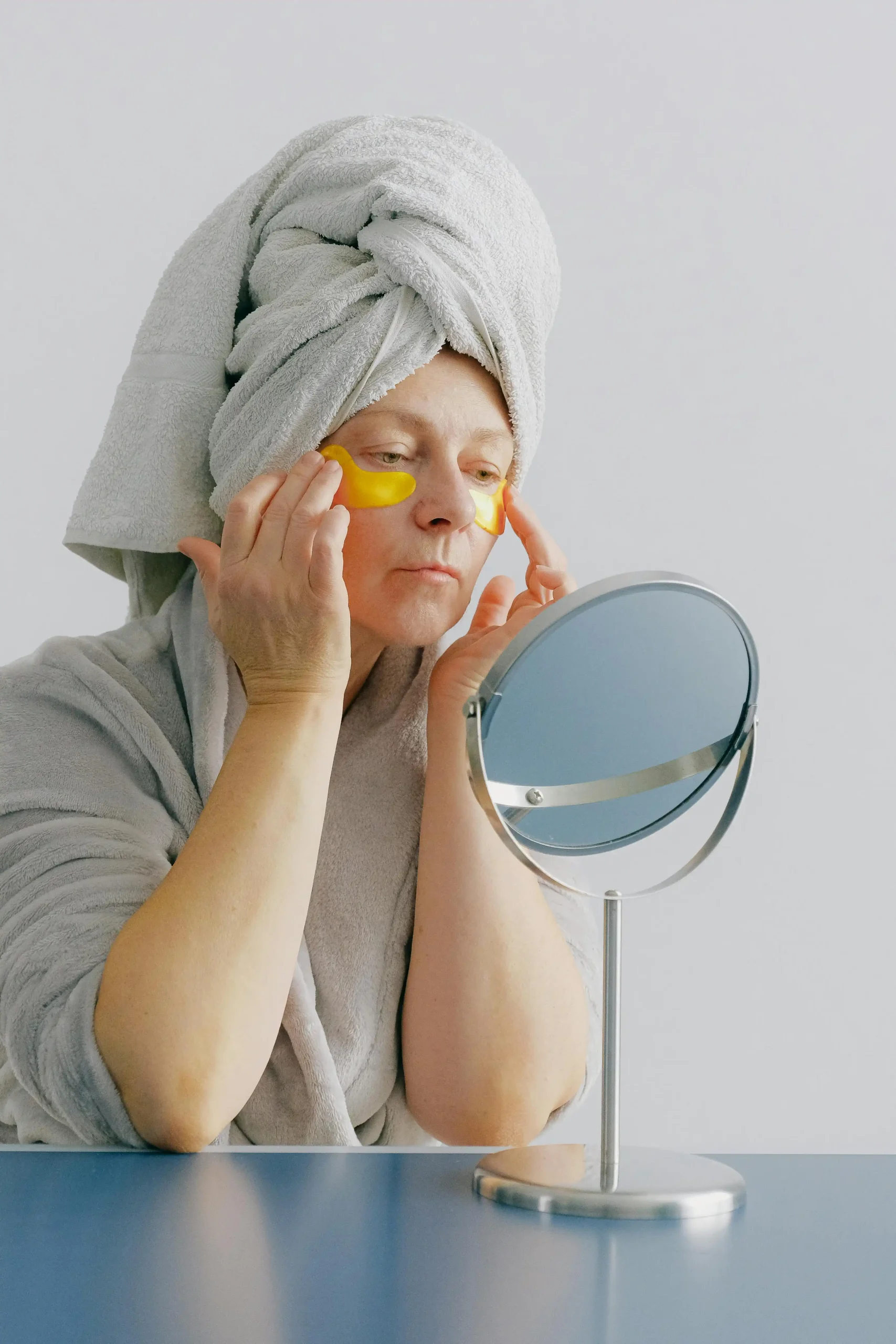
In the world of beauty and wellness, biotin has gained a reputation as a must-have vitamin for strong hair, radiant skin, and healthy nails. Often called Vitamin B7, biotin is a water-soluble vitamin that plays a key role in supporting metabolism, cellular growth, and the production of vital proteins like keratin.
Whether you’re struggling with brittle nails, hair thinning, or dull skin, incorporating biotin into your routine—through diet, supplements, or fortified products—can help address these concerns. In this comprehensive guide, we’ll explore the benefits of biotin, how it works, sources, recommended dosage, and tips for making it a part of your beauty regimen.
What is Biotin?
Biotin, also known as Vitamin B7 or Vitamin H, is part of the B-complex family of vitamins. It is water-soluble, meaning the body does not store it in large amounts, so regular intake through food or supplements is essential.
Biotin is vital for:
- Supporting hair, skin, and nail health
- Converting food into energy by aiding in metabolism of carbohydrates, fats, and proteins
- Maintaining healthy cell function
- Promoting enzyme activity that supports hair and skin growth
Because of its role in keratin production, biotin is often included in beauty-focused supplements, hair masks, and skincare products.
Biotin and Hair Health
Hair is composed primarily of keratin, a protein that biotin helps synthesize. Biotin contributes to hair structure, strength, and growth.
Benefits of Biotin for Hair
- Reduces Hair Breakage: Biotin strengthens hair strands, minimizing split ends and breakage.
- Supports Hair Growth: People with low biotin levels may notice hair thinning; supplementing can help restore growth.
- Improves Hair Texture: Regular biotin intake may result in shinier, healthier, and more resilient hair.
Signs of Low Biotin Affecting Hair
- Hair thinning or excessive shedding
- Brittle or fragile hair
- Slower hair growth
Incorporating biotin through diet, supplements, or topical hair treatments can help maintain hair vitality and reduce common hair concerns.
Biotin and Skin Health
Biotin supports healthy skin by promoting cell growth and repair. It helps maintain the skin’s natural barrier, keeping it hydrated and preventing dryness or irritation.
Benefits of Biotin for Skin
- Hydration and Elasticity: Biotin promotes the production of fatty acids that nourish the skin.
- Reduces Skin Issues: Adequate biotin may help alleviate dryness, rashes, and acne-like conditions caused by deficiency.
- Supports Skin Repair: Biotin aids in wound healing and cellular regeneration, keeping skin youthful and healthy.
Low biotin levels can lead to dry, flaky skin or dermatitis, highlighting the importance of including this vitamin in your diet and skincare regimen.
Biotin and Nail Health
Strong, healthy nails are often a reflection of proper biotin intake. Nails, like hair, are made primarily of keratin.
Benefits of Biotin for Nails
- Reduces Brittle Nails: Biotin strengthens nail structure, reducing breakage and splitting.
- Promotes Growth: Nails may grow faster and appear healthier with adequate biotin.
- Improves Appearance: Regular intake can result in smoother, shinier nails, ideal for a polished look.
For people with weak or brittle nails, studies have shown that biotin supplementation can significantly improve nail thickness and strength.
Natural Sources of Biotin
While supplements are popular, you can also get biotin naturally through a balanced diet. Foods rich in biotin include:
- Eggs (especially yolks)
- Nuts and seeds (almonds, walnuts, sunflower seeds)
- Legumes (peanuts, soybeans)
- Whole grains (oats, barley)
- Leafy green vegetables (spinach, broccoli)
- Fruits (bananas, avocados)
- Fish and lean meats
A diverse diet ensures sufficient biotin intake and provides additional vitamins and minerals that enhance hair, skin, and nail health.
Recommended Biotin Dosage
The recommended daily intake of biotin varies depending on age, health status, and specific needs:
- Adults: 30 micrograms (mcg) per day
- Pregnant or breastfeeding women: 35–40 mcg per day
- Children: 5–25 mcg per day, depending on age
For hair, skin, and nail health, most over-the-counter supplements range from 2,500 mcg to 10,000 mcg per serving. While higher doses are generally considered safe due to biotin being water-soluble, it’s best to consult a healthcare professional before starting a supplement regimen.
How to Incorporate Biotin Into Your Beauty Routine
Biotin can be included in your beauty routine through multiple approaches:
1. Dietary Intake
Focus on a balanced diet rich in biotin-containing foods. Include eggs, nuts, seeds, leafy greens, and whole grains daily.
2. Biotin Supplements
Oral biotin supplements can provide higher doses for those targeting hair growth or nail strength. Supplements are available in capsules, gummies, and powders.
3. Topical Treatments
Some hair care products, shampoos, and conditioners are fortified with biotin. While topical biotin may help strengthen hair, its absorption is limited, so combining with dietary intake is ideal.
4. Beauty-Boosting Pairings
For optimal results, pair biotin with other nutrients essential for hair, skin, and nails:
- Vitamin C: Supports collagen production for skin elasticity
- Zinc: Promotes hair and nail growth
- Vitamin E: Provides antioxidant support and protects hair follicles
Potential Biotin Deficiency
Although rare, biotin deficiency can occur due to genetic factors, certain medications, or extreme diets. Symptoms include:
- Hair thinning or hair loss
- Dry, scaly skin
- Brittle nails
- Fatigue and mood changes
- Tingling in hands or feet
Early detection and supplementation can reverse deficiency symptoms and restore hair, skin, and nail health.
Safety and Side Effects
Biotin is generally safe and well-tolerated, especially because it is water-soluble, meaning excess amounts are excreted in urine.
Potential considerations include:
- Extremely high doses may interfere with certain lab tests, including thyroid and heart tests
- Mild digestive discomfort in some individuals taking high-dose supplements
Always consult with a healthcare provider if you are pregnant, breastfeeding, or taking medications that may interact with biotin.
Conclusion: Why Biotin Is a Beauty Essential
Biotin is more than just a trendy supplement; it’s a fundamental vitamin that supports hair, skin, and nail health. By promoting keratin production, aiding metabolism, and supporting cellular growth, biotin plays a key role in maintaining natural beauty from the inside out.
Whether through dietary sources, supplements, or fortified beauty products, incorporating biotin into your daily routine can help:
- Strengthen hair and nails
- Promote hair growth and shine
- Improve skin hydration and elasticity
- Support overall wellness and cellular health
In a beauty regimen, biotin acts as a foundation nutrient, complementing other vitamins and minerals to help you achieve healthy, radiant hair, skin, and nails.


Leave a Comment