
How Exercise Helps Women Balance Hormones, Stress, and Weight Loss
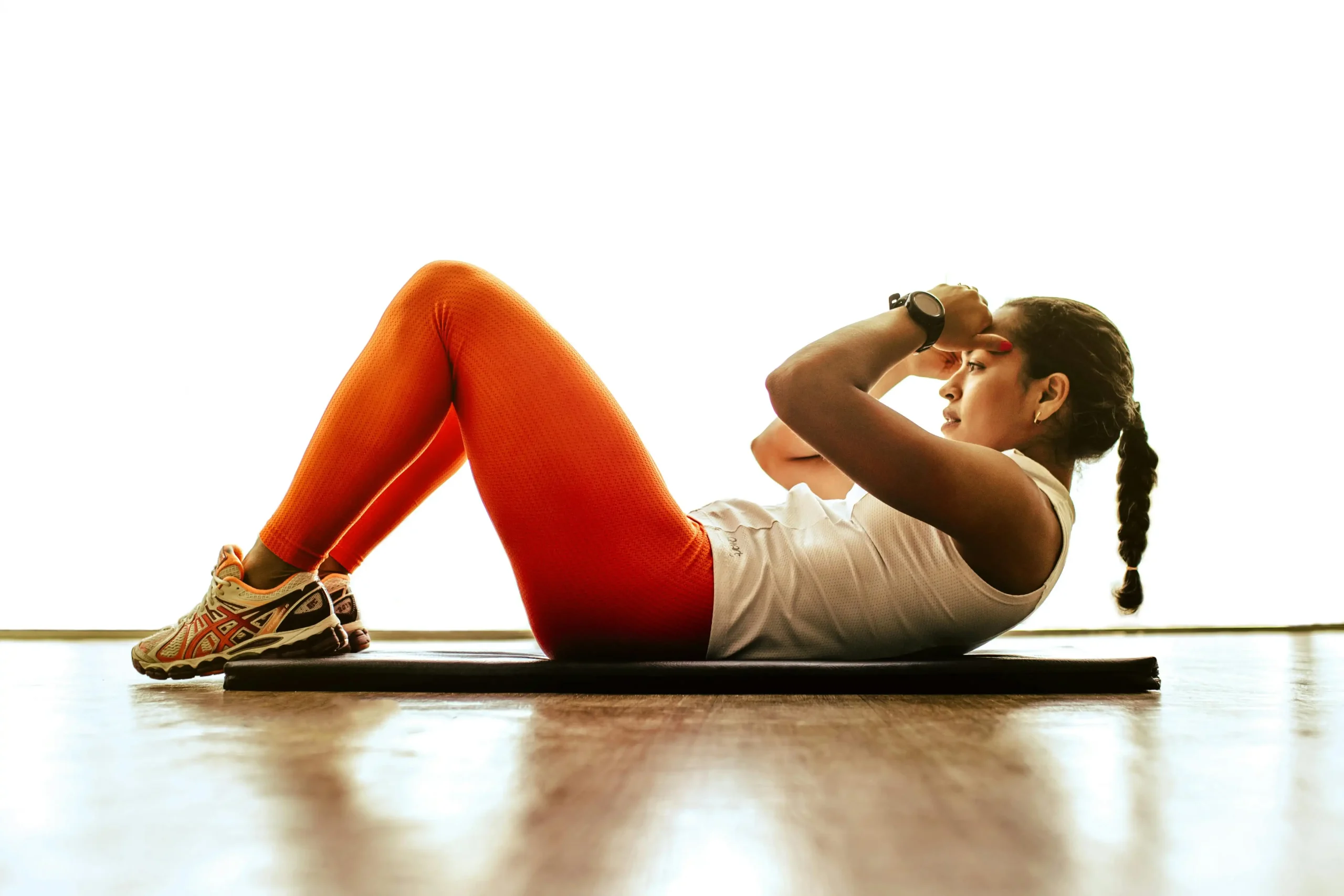
Women’s health and fitness are deeply connected to more than just calories burned or time spent exercising. In 2026, science continues to show that exercise plays a major role in regulating hormones, reducing stress, and supporting sustainable weight loss. Many women struggle with fatigue, mood swings, stubborn weight gain, and low energy—often without realizing that lifestyle balance, especially physical activity, is a key solution.
The good news is that the right exercise routine can help the body restore balance naturally. Instead of extreme dieting or exhausting workouts, modern fitness for women focuses on hormonal health, stress reduction, and long-term wellness.
This article explores how exercise supports women’s hormonal balance, stress management, and weight loss, and how to build a sustainable fitness routine that actually works.
Understanding Hormones and Women’s Health
Hormones are chemical messengers that control almost every function in the female body, including metabolism, mood, energy levels, sleep, and reproductive health. When hormones are balanced, the body functions smoothly. When they are disrupted, women may experience:
- Fatigue and low energy
- Mood swings and irritability
- Weight gain, especially around the abdomen
- Poor sleep quality
- Irregular menstrual cycles
Key hormones that influence women’s health include estrogen, progesterone, cortisol, insulin, and thyroid hormones.
One of the most important hormones linked to stress and weight gain is cortisol, often referred to as the “stress hormone.”
How Exercise Balances Hormones in Women
Exercise is one of the most effective natural tools for supporting hormonal balance. However, the type and intensity of exercise matter.
1. Exercise Helps Regulate Cortisol Levels
Moderate exercise helps reduce chronic stress and balance cortisol levels. While intense workouts can temporarily increase cortisol, consistent moderate activity helps the body manage stress more efficiently over time.
Balanced cortisol levels may support:
- Better sleep quality
- Reduced stress eating
- Improved fat metabolism
- More stable energy levels
2. Exercise Supports Estrogen Balance
Regular physical activity helps regulate estrogen levels, which play a major role in reproductive health and mood stability. Both low and high estrogen levels can cause discomfort and weight changes.
Exercise improves circulation and helps the body metabolize excess hormones more efficiently.
3. Exercise Improves Insulin Sensitivity
Insulin controls blood sugar levels and fat storage. When insulin becomes imbalanced, it can lead to weight gain and energy crashes.
Exercise helps muscles use glucose more effectively, improving insulin sensitivity and reducing fat storage.
How Exercise Reduces Stress in Women
Stress is one of the most common factors affecting women’s health today. Work pressure, family responsibilities, and lifestyle demands can lead to chronic stress, which impacts both mental and physical health.
Exercise is a natural stress reliever.
Why Exercise Reduces Stress
- Releases endorphins (feel-good hormones)
- Improves sleep quality
- Reduces anxiety symptoms
- Helps regulate cortisol levels
- Provides mental clarity and focus
Even low-impact activities like walking or yoga can significantly improve emotional well-being.
Best Exercises for Hormonal Balance and Stress Relief
Not all workouts affect the body the same way. For women focused on hormone balance and stress reduction, these exercise types are most effective:
1. Strength Training
Strength training helps build lean muscle and improves metabolic health. It also supports hormone regulation by improving insulin sensitivity.
Examples include:
- Dumbbell workouts
- Resistance band training
- Bodyweight exercises
2. Yoga and Pilates
These exercises focus on breathing, flexibility, and mindfulness, making them highly effective for stress management.
Benefits include:
- Lower cortisol levels
- Improved flexibility
- Better emotional balance
3. Walking and Light Cardio
Low-impact cardio like walking is one of the most underrated forms of exercise for women.
Benefits include:
- Stress reduction
- Fat burning support
- Improved heart health
4. HIIT (Moderate Frequency)
High-intensity interval training can be effective but should be balanced. Too much HIIT may increase stress hormones, so moderation is key.
Exercise and Weight Loss for Women
Weight loss in women is influenced by hormones, stress levels, sleep quality, and metabolism—not just calorie intake.
Exercise supports weight loss by:
- Increasing calorie burn
- Building lean muscle mass
- Improving metabolism
- Reducing emotional eating
- Balancing hormones that control fat storage
When combined with proper rest and nutrition, exercise becomes a powerful tool for sustainable weight management.
Featured Wellness Support for Energy and Balance
Alongside exercise, proper nutritional support can help maintain energy levels and overall wellness. One supportive supplement option for women’s health is:
Vitamin B12 plays an important role in energy production, red blood cell formation, and nervous system function. Adequate B12 levels may help reduce fatigue and support daily energy, especially for active women who exercise regularly.

While supplements do not replace exercise or a healthy diet, they can support overall wellness when used as part of a balanced lifestyle.
How to Build a Balanced Exercise Routine for Women
A well-rounded fitness plan does not need to be complicated. The key is balance and consistency.
Weekly Example Routine:
- 2–3 days strength training
- 2 days walking or light cardio
- 1–2 days yoga or stretching
- 1 rest day for recovery
This structure supports hormone balance, reduces stress, and promotes healthy weight loss.
Common Mistakes Women Make in Fitness
Many women struggle with fitness results due to common mistakes such as:
- Overtraining without rest
- Doing excessive cardio only
- Skipping strength training
- Not managing stress properly
- Following extreme diets
Avoiding these mistakes leads to better long-term results.
The Future of Women’s Fitness
In 2026, women’s fitness is becoming more personalized and hormone-focused. Instead of extreme workouts, the trend is shifting toward:
- Hormone-friendly training programs
- Stress-aware fitness routines
- AI-based personalized workout plans
- Holistic health approaches combining sleep, nutrition, and exercise
This shift reflects a deeper understanding that women’s health is complex and requires balance, not punishment.
Conclusion
Exercise is one of the most powerful tools women can use to balance hormones, reduce stress, and support healthy weight loss. The key is not intensity, but consistency and balance.
By combining strength training, stress-relieving activities, and proper recovery, women can improve both physical and emotional well-being.
When supported by proper nutrition and essential nutrients like vitamin B12, exercise becomes even more effective in creating long-term health and energy.
Ultimately, the best fitness routine is the one that supports your body, fits your lifestyle, and helps you feel strong, balanced, and energized every day.


Leave a Comment