
How Telehealth Is Improving Healthcare Access in Rural and Remote Areas
Introduction: Why Healthcare Access Is Still Unequal
Healthcare is often described as a basic human need, yet access to it is still very uneven depending on where a person lives. In cities, people can usually reach clinics, hospitals, pharmacies, and specialists within minutes. In rural and remote areas, the reality is very different. Patients may need to travel for hours, cross difficult terrain, or wait weeks before seeing a doctor.
This gap has existed for decades, and it affects millions of people worldwide. Many health conditions become more serious simply because care arrives too late. Routine check-ups are missed, chronic illnesses go unmanaged, and mental health support is often unavailable.
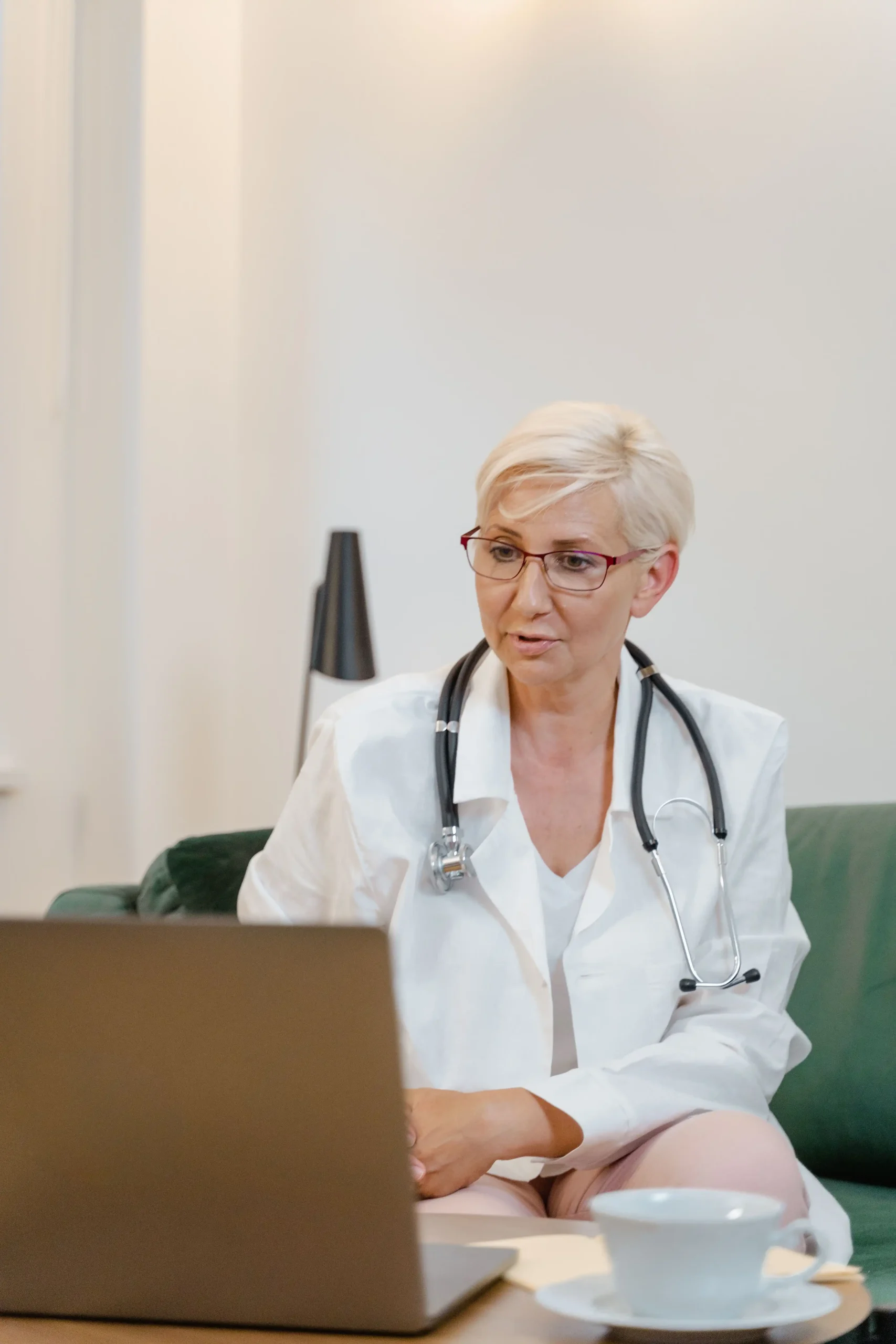
Telehealth is now changing this situation in a meaningful way. By using digital communication tools, healthcare providers can reach patients without requiring physical travel. What once seemed like a backup option has now become a major part of modern healthcare systems.
This article explores how telehealth is improving healthcare access in rural and remote areas, how it works in real life, and what its limitations still are.
Understanding Telehealth in Simple Terms
Telehealth refers to healthcare services delivered through technology. Instead of visiting a clinic or hospital in person, patients connect with healthcare providers through video calls, phone consultations, or online platforms.
It can include many types of care such as doctor consultations, mental health therapy, prescription refills, follow-up appointments, and even remote monitoring of chronic conditions.
The main idea is simple: healthcare comes to the patient instead of the patient traveling long distances to receive care.
For rural communities, this shift is especially important because distance has always been one of the biggest barriers to treatment.
The Reality of Healthcare in Rural and Remote Areas
To understand the impact of telehealth, it is important to understand the challenges people face in rural locations.
Many rural communities have limited access to medical professionals. A single clinic may serve multiple towns, and specialists are often located only in cities. This creates long waiting times and limited options for patients.
Transportation is another major issue. Some patients need to travel several hours just to reach the nearest healthcare facility. This becomes even more difficult for elderly individuals, people with disabilities, or those without reliable transportation.
Cost also plays a role. Even if basic healthcare services are affordable, the added expenses of travel, time off work, and accommodation make regular check-ups difficult.
As a result, many people delay seeking care until their condition becomes more serious.
How Telehealth Is Changing the Situation
Telehealth helps solve these problems by removing the need for physical travel in many situations. Instead of spending hours on the road, patients can speak to a healthcare provider from their home or local community center.
One of the biggest improvements is faster access to care. Instead of waiting weeks for an appointment, patients can often receive consultation within days or even the same day depending on availability.
Telehealth also makes specialist care more accessible. A patient in a remote village can now consult with a cardiologist, dermatologist, or mental health professional who may be located hundreds of kilometers away.
For chronic conditions like diabetes, hypertension, or asthma, regular monitoring becomes much easier. Patients can have frequent check-ins without the burden of repeated travel.
This shift does not only improve convenience. It directly improves health outcomes by encouraging earlier treatment and better disease management.
A Real-Life Story: Managing Diabetes From a Remote Community
In a rural farming area, a man named Carlos was diagnosed with type 2 diabetes in his early fifties. The nearest hospital was over two hours away, which made regular monitoring very difficult. At first, he tried to follow his treatment plan, but over time, appointments became less frequent due to travel challenges and work responsibilities.
His condition began to fluctuate, and he struggled to maintain stable blood sugar levels.
When telehealth services were introduced in his area, Carlos started virtual consultations with a healthcare provider. Instead of traveling to the city, he used video calls to discuss his condition every few weeks.
The doctor helped him adjust his medication, guided his diet, and reviewed his blood sugar readings remotely. Over time, Carlos gained better control of his condition.
What changed most for him was consistency. He no longer missed appointments because of distance or work. Healthcare became part of his routine rather than a disruption to his life.
His experience reflects how telehealth can support long-term disease management in rural settings.
A Real-Life Story: Mental Health Support in an Isolated Area
Mental health care is one of the most underserved areas in rural healthcare systems. In many remote regions, there are no licensed therapists or counselors available locally.
A young woman named Anna, living in a coastal rural town, experienced anxiety that gradually affected her studies and daily life. Traveling to a city for therapy was not an option due to cost and distance.
Through telehealth, she was able to connect with a licensed therapist online. At first, she was unsure about speaking through a screen, but she quickly found it easier than expected.
Being in her own environment made her feel more comfortable and less pressured. Over time, she learned coping strategies, improved her emotional regulation, and regained confidence in her daily routine.
Her case shows that telehealth is not only about physical health but also about emotional accessibility. In some cases, virtual care can feel even more approachable than in-person visits.
A Real-Life Story: When Telehealth Helps in Urgent Situations
In a mountainous rural area, access to emergency care can take several hours. In one situation, a man named Rafael experienced sudden chest discomfort late at night. Unsure whether it was serious, he used a telehealth consultation service available through a local health program.
The doctor quickly assessed his symptoms through video consultation and advised immediate transfer to the nearest hospital. This early guidance helped him avoid delays that could have made the situation more dangerous.
In this case, telehealth did not replace emergency care. Instead, it acted as a decision-making tool that helped determine the urgency of the situation.
Benefits Beyond Convenience
Telehealth offers more than just easier access. It also supports preventive healthcare by encouraging regular check-ups and early detection of health issues.
Patients who might otherwise delay care are more likely to seek advice when it is as simple as opening a phone or computer. This leads to earlier diagnosis and treatment, which can prevent complications later on.
It also reduces pressure on overcrowded hospitals in cities. When non-emergency cases are handled remotely, healthcare systems can focus resources on patients who need physical treatment.
For families in rural areas, it also reduces emotional and financial stress linked to long-distance travel for medical care.
Challenges That Still Need to Be Addressed
While telehealth is improving healthcare access, it is not a perfect solution.
Internet connectivity remains a major issue in many rural areas. Without stable internet, video consultations can be difficult or impossible.
Some patients also struggle with digital tools, especially older adults who are not familiar with smartphones or online platforms.
There are also limitations in diagnosis. Certain medical conditions require physical examination, lab tests, or imaging that cannot be done remotely.
Privacy and data security are additional concerns, as medical information must be protected in digital systems.
Because of these limitations, telehealth works best when combined with traditional healthcare services rather than replacing them completely.
The Future of Rural Healthcare and Telehealth
Despite its challenges, telehealth continues to grow and improve. Governments and healthcare systems are investing more in digital infrastructure, especially in underserved areas.
As internet access improves and technology becomes easier to use, telehealth is expected to become even more integrated into everyday healthcare.
Future developments may include remote monitoring devices that automatically send patient data to doctors, artificial intelligence tools that assist in diagnosis, and hybrid healthcare systems where patients combine in-person visits with regular virtual check-ins.
These changes are moving healthcare toward a more flexible and accessible model.
Conclusion: A More Connected Healthcare System
Telehealth is reshaping how healthcare is delivered, especially for people living in rural and remote areas. By removing distance as a barrier, it allows more people to access medical advice, manage chronic conditions, and receive mental health support without the limitations of geography.
While it is not a complete replacement for traditional healthcare, it is a powerful tool that fills many gaps in the system. For many patients, it means faster care, fewer missed appointments, and better long-term health outcomes.
The biggest impact of telehealth is not just technological. It is human. It brings care closer to people who have historically been left farthest from it.



Leave a Comment