
Step-Ups for Beginners: An Easy Workout to Strengthen Your Legs and Boost Endurance
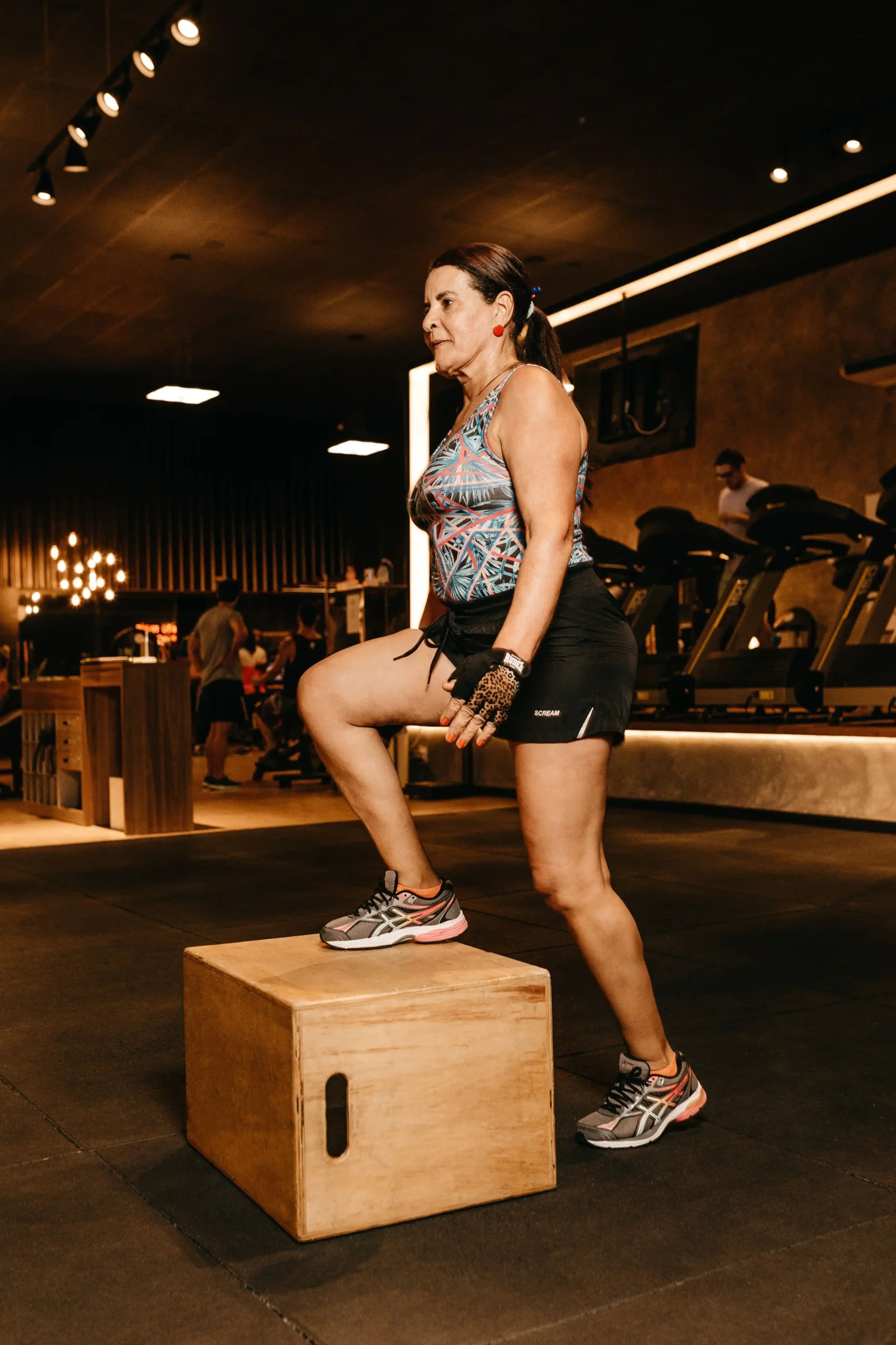
Getting started with fitness does not require an expensive gym membership, complicated workout equipment, or an advanced exercise routine. Sometimes, one simple movement can help you build strength, improve coordination, and become more comfortable with regular physical activity. The step-up exercise is an excellent choice for beginners because it uses a natural movement that most people recognize: stepping onto a raised surface and bringing the body upward.
When performed correctly, step-ups can strengthen the muscles in your legs and hips while challenging your balance and coordination. They can also raise your heart rate, especially when you perform repeated steps at a steady pace. This makes them a practical addition to a beginner home workout, a lower-body strength routine, or a general fitness program designed to improve endurance.
The best part is that step-ups require very little equipment. A sturdy, low exercise platform or purpose-built step can be enough to get started. However, choosing the right height and learning proper technique are essential, particularly if you are new to exercise. In this guide, you will learn how to perform step-ups for beginners, understand their benefits, avoid common mistakes, and build a simple workout that fits your fitness level.
What Is the Step-Up Exercise?
The step-up is a bodyweight exercise in which you place one foot on a raised platform, press through that foot to lift your body, and bring your other foot onto the platform. You then step back down under control and repeat the movement, either on the same side or by alternating legs.
Although the movement looks simple, it engages several muscle groups at once. Your quadriceps help straighten your knee, your glutes contribute to extending your hip, and your hamstrings assist with hip movement and stability. Your calf muscles also help control your movement as you step up and down. Meanwhile, your core muscles work to keep your torso steady and help you maintain balance.
Step-ups can be adjusted to suit different ability levels. Beginners can start with a low step and a slow pace, while more experienced exercisers may eventually use a higher platform or hold light dumbbells. There is no need to make the exercise difficult immediately. Starting with a comfortable height and controlled movement helps you learn the technique before adding more intensity.
For anyone looking for a straightforward lower-body exercise, step-ups offer a convenient way to practice strength, coordination, and controlled movement in one activity.
Benefits of Step-Ups for Beginners
Build Stronger Legs and Glutes
One of the primary benefits of step-ups is their ability to strengthen the muscles of the lower body. Each repetition requires you to push your body upward using the leg positioned on the platform. This movement works the quadriceps and glutes, with additional contributions from the hamstrings and calf muscles.
Developing these muscles can make everyday activities such as climbing stairs, standing up from a chair, and walking uphill feel more manageable. Step-ups also provide an opportunity to work each leg separately, which may help you identify differences in balance, strength, or coordination between your sides.
For beginners, bodyweight step-ups can provide a useful starting point before progressing to more demanding resistance exercises. Consistent practice, combined with a balanced strength-training program, can help improve lower-body strength over time.
Improve Balance and Coordination
Step-ups require you to shift your weight from one leg to another while moving onto and off a raised surface. Your body must coordinate the movement of your feet, hips, and torso while maintaining control.
This makes the exercise useful for practicing balance and coordination, particularly when you perform each repetition slowly. Keeping your torso upright and avoiding excessive side-to-side movement can help you develop better control.
As your confidence improves, you may find it easier to manage everyday movements that involve changing levels or stepping onto stairs. However, beginners who have balance difficulties should start with a lower platform and use a stable hand support when appropriate.
Support Cardiovascular Endurance
Step-ups can also become a cardiovascular exercise when performed continuously at a moderate pace. Repeatedly stepping up and down requires your body to sustain movement, which can increase your heart rate and breathing rate.
The intensity depends on factors such as the height of the platform, your stepping speed, the length of each set, and your current fitness level. A slow set with rest between repetitions focuses more on learning technique and building strength, while longer sets performed at a comfortable pace may place greater demands on your cardiovascular system.
If you are new to exercise, begin with short intervals and take breaks as needed. You do not need to move quickly to benefit from the exercise. Gradually increasing your activity as your fitness improves is a more sustainable approach than trying to push through exhaustion.
Encourage Functional Fitness
Functional fitness refers to the strength, coordination, and movement skills that help you perform everyday tasks. Step-ups closely resemble climbing stairs, making them relevant to activities outside your workout.
Practicing this movement can help you become more comfortable with stepping onto raised surfaces and controlling your body during repeated lower-body movements. The exercise also encourages you to focus on posture, foot placement, and weight distribution.
Although step-ups alone cannot guarantee improved performance in every daily activity, they can be a useful component of a broader routine that includes walking, resistance training, and balance exercises.
Fit Easily Into a Home Workout
Another advantage of step-ups is their simplicity. You can perform them at home without weights, provided you have access to an appropriate, stable exercise step.
This convenience makes the exercise suitable for people who have limited time or prefer working out at home. A few short sets can fit into a beginner strength routine alongside squats, wall push-ups, glute bridges, and other basic movements.
The important thing is to choose a setup that prioritizes safety. A purpose-built exercise step is preferable to unstable furniture or objects that may slide, tip, or collapse under your weight.
<WritingBlock id=”62481″ variant=”document”>## How to Perform Step-Ups Correctly
Learning the correct step-up technique is essential for beginners. Good form helps you focus on the working muscles, maintain balance, and avoid unnecessary strain on your knees and ankles. Before starting, choose a low, stable exercise platform with a nonslip surface. Make sure the surrounding floor is clear of objects.
Step 1: Stand in Front of a Stable Step
Stand facing the platform with your feet approximately hip-width apart. Keep your shoulders relaxed, your chest comfortably lifted, and your back in a natural position.
Choose a step height that allows you to place your foot securely without needing to lift your knee excessively. A low platform is generally a sensible starting point for beginners.
If you are concerned about balance, position yourself near a sturdy handrail or another secure support. Avoid using a chair, loose stool, or unstable household object as a stepping platform.
Step 2: Place One Foot Fully on the Platform
Lift your right foot and place it firmly on the step. Your entire foot should rest on the platform rather than leaving your heel or toes hanging over the edge.
Keep your knee aligned with the direction of your toes. Avoid allowing the knee to collapse inward as you prepare to lift your body.
Take a moment to establish your balance before continuing. Proper foot placement provides a stable foundation for the rest of the movement.
Step 3: Push Through the Leading Foot
Press through your right foot to raise your body onto the platform. Straighten your right leg in a controlled manner while keeping your torso stable.
Try to let the leading leg do most of the work rather than pushing forcefully off the foot that remains on the floor. Your trailing leg can assist as needed, particularly while you are learning, but the goal is to develop controlled strength in the leading leg.
Avoid leaning excessively forward or using a sudden swinging motion to get onto the step.
Step 4: Bring the Other Foot Onto the Step
Once you have lifted your body, bring your left foot onto the platform. Stand upright with both feet securely positioned.
Keep your abdominal muscles gently engaged and maintain your balance. You do not need to raise your knee unusually high or add extra movements to make the repetition effective.
Pause briefly if necessary before preparing to step down.
Step 5: Step Down Slowly
Step backward or down from the platform with control, placing one foot on the floor and then bringing the other foot down.
Avoid jumping off the step or dropping your body weight quickly. Controlled lowering is an important part of the exercise because it challenges your muscles to manage the descent.
Once both feet are back on the floor, reset your position and prepare for the next repetition.
Step 6: Alternate Your Leading Leg
Repeat the movement with your left foot leading. Alternating sides helps you practice the exercise on both legs.
Beginners can start with five to eight repetitions per leg, depending on comfort and fitness level. Focus on steady movement rather than speed. If your technique begins to deteriorate, take a break before continuing.
Common Step-Up Mistakes Beginners Should Avoid
Choosing a Step That Is Too High
A high platform may make it difficult to maintain proper posture, especially if you have limited leg strength or mobility. It can also encourage excessive leaning and make it harder to control the descent.
Start with a low platform and increase the height only when you can perform the movement comfortably and consistently. A higher step is not automatically better.
Pushing Too Hard With the Back Leg
Using the trailing leg to push yourself upward can reduce the amount of work performed by the leading leg. It may also encourage momentum instead of controlled movement.
Concentrate on pressing through the foot on the platform. If you need substantial assistance from the back leg to get up, lower the platform or choose an easier variation.
Letting the Knee Collapse Inward
Your leading knee should generally follow the direction of your toes as you rise. Allowing it to move inward excessively can indicate that the movement is too challenging or that you need to improve your control.
Use a lower step and perform slower repetitions. If you experience knee pain, stop and consider getting guidance from a qualified healthcare professional or exercise professional.
Moving Too Quickly
Fast repetitions may make the workout feel more intense, but speed can make it harder to maintain balance and control.
Learn the movement slowly before attempting a faster pace. For beginners, smooth repetitions with good posture are a better starting point than trying to complete as many steps as possible in a short time.
Using an Unstable Platform
Safety should always come before workout intensity. Avoid slippery surfaces, lightweight furniture, or objects that may shift when you place your weight on them.
A purpose-built exercise step or a suitable, secure stair is preferable. Wear comfortable shoes with good grip, and keep the area around the platform clear.
A Simple Step-Up Workout for Beginners
If you want to incorporate step-ups into your fitness routine, start with a short session that allows you to practice the movement without becoming overly fatigued.
Begin with approximately five minutes of gentle movement, such as walking around your home or marching in place. This helps you ease into the workout before performing the exercise.
Next, complete one or two sets of five to eight step-ups per leg. Rest for about 30 to 60 seconds between sets, or longer if you need additional recovery. Keep the platform low and maintain a comfortable pace.
If your goal is to build a more complete home workout, you can combine step-ups with bodyweight squats, wall push-ups, and glute bridges. These exercises target different muscle groups and can help you develop a more balanced routine.
For example, perform a comfortable set of step-ups, followed by a set of bodyweight squats. Move on to wall push-ups and glute bridges, resting as needed between exercises. Adjust the number of repetitions according to your current fitness level.
You do not need to complete every exercise in one session. If you are just starting, even a short routine can be a useful first step toward making physical activity a regular habit.
As you become stronger, you may gradually increase your repetitions or add another set. Increase only one aspect of the workout at a time, and make sure you can maintain good technique before progressing.
How to Make Step-Ups More Challenging Over Time
Once basic step-ups become comfortable, you can adjust the exercise to continue challenging your strength and endurance.
One option is to increase the number of repetitions gradually. For example, if you can comfortably perform five repetitions per leg, you might progress to eight and eventually ten, provided your technique remains consistent.
You can also increase the length of your workout by adding another set or performing the exercise for a short, timed interval. This approach can make the exercise more demanding for your cardiovascular system without requiring you to move excessively fast.
Another option is to pause briefly at the top of each repetition. This encourages you to establish balance before stepping down. You can also focus on lowering your body more slowly, which requires additional control.
More advanced beginners may eventually consider holding light dumbbells. However, adding weights can increase the difficulty of balancing on a raised surface. Master the bodyweight version first, and avoid adding resistance if you feel unstable.
Changing the step height is another possible progression, but it should be approached cautiously. A higher platform increases the range of motion and may place greater demands on your strength and mobility. Only increase the height if you can step up and down without pain or excessive leaning.
Progress should be based on control and comfort, not on how quickly you can make the exercise more difficult.
How Often Should Beginners Do Step-Ups?
The ideal frequency depends on your overall workout routine, recovery, and current fitness level. For many beginners, incorporating step-ups into two or three weekly strength-training sessions can be a reasonable starting point.
Allow time for your muscles to recover between challenging sessions, especially if you experience soreness after a new workout. On other days, you can choose activities such as walking, gentle cycling, or mobility exercises.
Step-ups can contribute to an active lifestyle, but they should not be your only form of exercise. A balanced fitness program includes aerobic activity, strength training for the major muscle groups, and activities that support mobility and balance.
The key is consistency. A manageable workout that you can repeat regularly is more useful than an overly demanding routine that leaves you exhausted or discouraged.
If you have been inactive for a long time, have a history of falls, or have a health condition that affects your ability to exercise, seek appropriate professional advice before beginning a new routine. Stop if you experience sharp pain, dizziness, chest discomfort, or unusual shortness of breath.
Nutrition Tips to Support Your Fitness Routine
Exercise works best as part of a broader approach to health that includes adequate nutrition, hydration, and recovery. Your body needs sufficient energy and nutrients to support daily activities and adapt to physical training.
Include a variety of protein-rich foods in your meals, such as eggs, fish, lean meat, tofu, beans, and lentils. Protein helps maintain and repair muscle tissue, while carbohydrates provide energy for physical activity. Fruits, vegetables, and other nutrient-rich foods can help supply vitamins, minerals, and fiber.
If you enjoy experimenting with recipes, herbs and spices can add flavor to everyday meals without requiring complicated cooking methods. For example, Skinii Spicey Spice for Everything 4oz is a seasoning option to explore when preparing meals at home. Check the product’s ingredients and nutrition information to see whether it suits your preferences and dietary needs.

You do not need special foods or supplements to begin exercising. Focus on balanced meals, drink water regularly, and get enough sleep to support recovery. Supplements and seasonings are optional additions, not substitutes for an overall healthy eating pattern.
Final Thoughts on Step-Ups for Beginners
The step-up exercise for beginners is a practical way to build lower-body strength, practice balance, and add movement to a home fitness routine. Because it resembles climbing stairs, it also offers a familiar movement pattern that can complement other forms of exercise.
To get started, choose a low and stable platform, place your entire foot on the step, and push through your leading leg to lift your body. Step down slowly, alternate legs, and prioritize proper form over speed or the number of repetitions.
As your strength and coordination improve, you can gradually increase your repetitions, add sets, or explore more challenging variations. Combine step-ups with other exercises, regular physical activity, and balanced nutrition to support your long-term fitness goals.
You do not have to complete a difficult workout to make progress. Begin with a few controlled repetitions, give yourself time to learn the movement, and build your routine at a pace that feels manageable. Small, consistent efforts can help you establish a stronger foundation for a healthier and more active lifestyle.


Leave a Comment