
How Beginners Can Burn Fat Without Running or Heavy Workouts

For many beginners, the idea of losing weight often starts with intense workouts, running routines, or high-impact gym sessions. Social media tends to show fitness transformations that involve sweating through long cardio workouts or lifting heavy weights, which can feel intimidating for someone just starting out.
The truth is, you do not need to run or do extreme workouts to begin burning fat effectively. In fact, many beginners achieve better long-term results when they start with low-intensity, sustainable activities that the body can handle consistently.
Fat loss is not only about intensity. It is about consistency, daily movement, lifestyle habits, and creating a calorie balance that your body can maintain without burnout.
This guide explains how beginners can burn fat without running or heavy workouts, using simple, realistic strategies that fit into everyday life.
Understanding Fat Loss in Simple Terms
Before jumping into exercises, it is important to understand how fat loss actually works.
Fat loss happens when your body uses more energy than it consumes over time. This is called a calorie deficit. When you consistently maintain this balance, your body begins to use stored fat as energy.
Many beginners assume that only intense workouts create a calorie deficit. In reality, your daily movement, digestion, posture, sleep, and even small activities throughout the day contribute to your total energy use.
This is why low-intensity approaches can still be very effective, especially when done consistently.
Why You Don’t Need Running or Heavy Workouts
Running and high-intensity workouts are effective, but they are not the only path to fat loss. For beginners, they can sometimes feel overwhelming, leading to burnout or inconsistency.
Low-intensity methods work better for many people because:
- They are easier to maintain daily
- They reduce the risk of injury
- They do not require special equipment
- They help build long-term habits
- They support recovery and energy balance
When your body is not stressed by extreme workouts, it is often easier to stay consistent, and consistency is the real key to fat loss.
Walking: The Most Underrated Fat-Burning Exercise
Walking is one of the most effective beginner-friendly fat-burning activities. It may seem simple, but it plays a powerful role in daily calorie expenditure.
Walking helps by:
- Increasing daily movement (NEAT or non-exercise activity thermogenesis)
- Improving digestion and circulation
- Reducing stress, which can affect weight gain hormones
- Supporting fat metabolism over time
A 30 to 60-minute walk daily can significantly contribute to fat loss when combined with healthy eating habits.
You can also break it into smaller sessions, such as 10 to 15 minutes after meals, which helps regulate blood sugar and reduces cravings.
Bodyweight Movements for Beginners
You do not need a gym to start moving your body effectively. Simple bodyweight exercises can help you burn calories, strengthen muscles, and improve metabolism.
Some beginner-friendly movements include:
- Squats
- Wall push-ups
- Glute bridges
- Standing leg raises
- Step-ups using stairs
- Slow mountain climbers
These exercises do not require jumping or heavy strain, making them ideal for beginners who want low-impact fat burning.
Even 10 to 15 minutes a day can make a difference when done consistently.
The Role of Daily Activity in Fat Loss
Many people underestimate how much fat loss happens outside of structured workouts.
Daily activities such as:
- Cleaning the house
- Cooking meals
- Walking around the office or home
- Stretching during breaks
- Standing instead of sitting
all contribute to calorie burn throughout the day.
This is known as NEAT (Non-Exercise Activity Thermogenesis), and it can have a significant impact on weight management.
Increasing small movements throughout your day is one of the easiest ways for beginners to start burning fat without structured workouts.
Low-Impact Cardio Alternatives
If running feels too intense, there are many low-impact cardio options that still support fat loss.
These include:
- Brisk walking
- Dancing at home
- Cycling at a relaxed pace
- Swimming
- Low-impact aerobic routines
- Beginner step workouts
These activities elevate your heart rate gently, helping your body burn calories without overwhelming your joints or muscles.
The goal is not exhaustion but consistency and movement.
Strength Without Heavy Weights
Strength training is often associated with heavy lifting, but beginners can build strength using light resistance or bodyweight alone.
Strength training helps fat loss by:
- Increasing muscle mass
- Improving resting metabolism
- Supporting body shaping and toning
- Enhancing long-term calorie burn
Simple beginner strength routines can include slow squats, wall push-ups, and resistance band movements. Even without weights, your body becomes stronger over time.
Nutrition: The Hidden Key to Fat Loss
Exercise alone is not enough for fat loss. Nutrition plays a major role in how your body stores or burns energy.
For beginners, the focus should not be extreme dieting but simple, sustainable habits such as:
- Eating more whole foods
- Reducing processed snacks
- Drinking enough water
- Including protein in meals
- Managing portion sizes
One often overlooked factor in daily eating habits is flavor satisfaction. Many beginners struggle with cravings because meals feel repetitive or bland, which can lead to overeating or snacking.
This is where small lifestyle improvements in food preparation can make a big difference.
Adding Flavor Without Extra Calories
One simple way to stay consistent with healthy eating is by making meals more enjoyable without adding unnecessary calories.
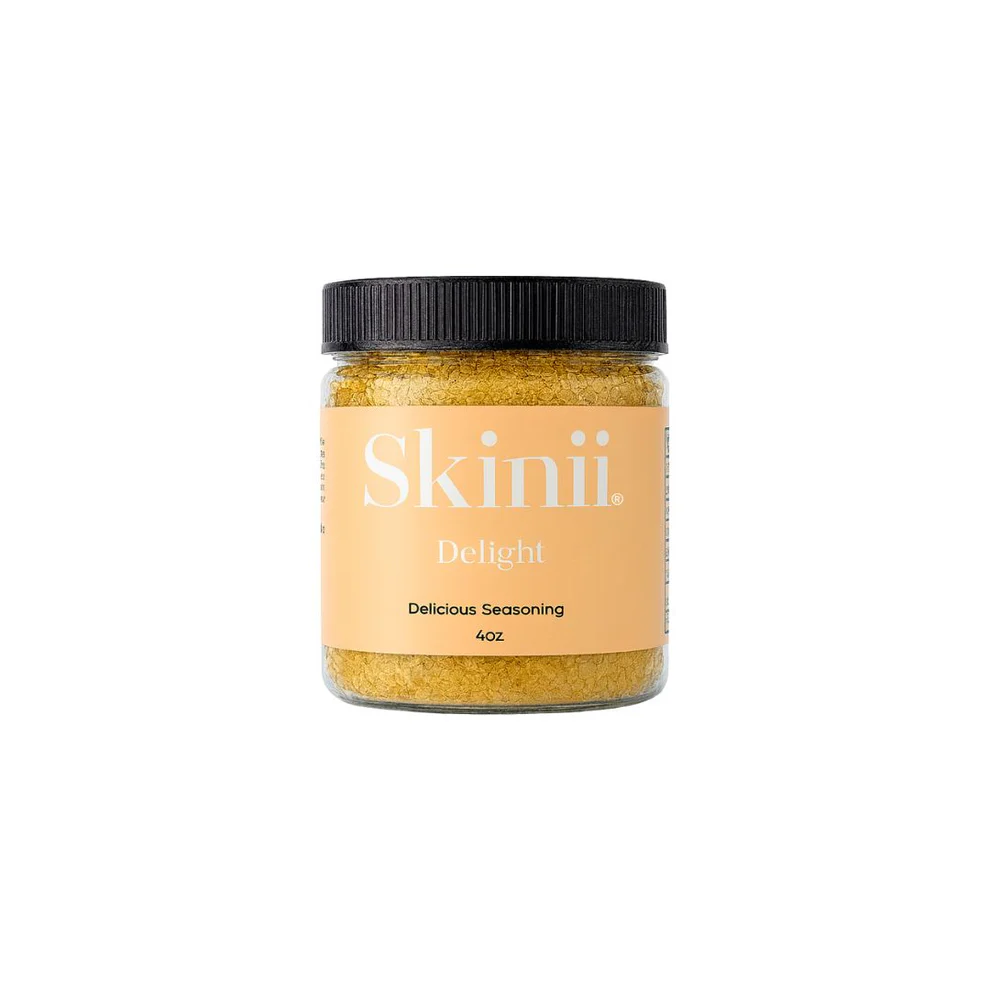
Using seasoning blends can help improve the taste of everyday meals while keeping nutrition goals on track. For example, adding a flavorful seasoning to vegetables, rice dishes, or lean proteins can make healthy meals more satisfying and easier to maintain long term.
A product like
Skinii® Delight Seasoning
can be used in daily cooking to enhance flavor without relying on heavy sauces or high-calorie additives. This helps beginners stay consistent with healthier meals because the food remains enjoyable while still aligned with fat loss goals.
When healthy eating feels enjoyable, it becomes much easier to maintain a calorie balance without feeling restricted.
The Importance of Consistency Over Intensity
One of the biggest mistakes beginners make is focusing too much on intensity instead of consistency.
A 20-minute walk every day is more effective than one intense workout followed by several days of inactivity. The body responds best to steady, repeated movement over time.
Consistency helps:
- Build habits
- Improve metabolism gradually
- Reduce stress on the body
- Prevent burnout
- Create sustainable results
Fat loss is a long-term process, not a short burst of effort.
Stress, Sleep, and Fat Loss
Many beginners overlook the role of lifestyle factors in fat loss.
Stress and poor sleep can affect hormones that regulate hunger and fat storage. High stress levels may increase cravings and make it harder to stay consistent with healthy habits.
Improving sleep quality and reducing stress can support fat loss even without changing exercise routines drastically.
Simple improvements include:
- Sleeping at consistent times
- Reducing screen time before bed
- Taking short relaxation breaks during the day
- Practicing deep breathing or stretching
These small changes support your body’s natural fat-burning processes.
A Simple Beginner Fat-Burning Routine
Here is an example of a low-intensity daily routine for beginners:
Morning:
- 10–15 minute walk
- Light stretching
Afternoon:
- Bodyweight movements (10 minutes)
- Stay active with daily tasks
Evening:
- Relaxed walk or light movement
- Balanced dinner with protein and vegetables
This type of routine is easy to maintain and does not require running or heavy workouts, but still supports fat loss through consistent movement and healthy habits.
Final Thoughts
Beginners often believe that fat loss requires intense exercise, running, or extreme fitness routines. In reality, the most effective approach is often the simplest one.
Walking, light bodyweight exercises, daily movement, and balanced nutrition can all contribute to fat loss without overwhelming the body.
The key is to build habits that fit into your lifestyle rather than forcing unsustainable routines.
When combined with mindful eating, enjoyable food choices, and small lifestyle improvements, even low-intensity activity can lead to meaningful and lasting fat loss results.
You do not need to start with intensity. You only need to start with consistency.



Leave a Comment