
15-Minute Beginner Workout Routine You Can Do at Home Every Day
Starting a fitness journey can feel overwhelming, especially if you believe you need long hours at the gym or expensive equipment to see results. The truth is, you don’t. A simple 15-minute beginner workout routine done consistently at home can improve your strength, boost your energy, support weight management, and build a long-term healthy habit.
This guide is designed for complete beginners who want a realistic, easy-to-follow workout they can do every day without stress. No gym. No complicated movements. Just simple exercises that work.
Why 15 Minutes Is Enough for Beginners
Many people underestimate short workouts, but research and fitness experts agree that consistency matters more than duration. A 15-minute workout is effective because it focuses on movement quality, not exhaustion.
When you are just starting out, your body responds quickly to basic exercise. Short daily routines help you build discipline, improve circulation, activate muscles, and increase endurance without overwhelming your system.
A 15-minute workout is also easier to stick to. One of the biggest reasons people fail in fitness is not lack of effort but lack of consistency. A short routine removes excuses like “I don’t have time” or “I’m too tired.”
How to Prepare Before Starting Your Workout
Before jumping into exercises, preparation is important to avoid injury and improve performance. Beginners should always start with a light warm-up.
You can do simple movements like arm circles, shoulder rolls, gentle marching in place, or light stretching. This increases blood flow and prepares your muscles for movement.
Make sure you wear comfortable clothing and use a safe space at home where you can move freely. You don’t need equipment, but having a yoga mat can make floor exercises more comfortable.
15-Minute Beginner Workout Routine Overview
This routine is designed to target your full body using simple bodyweight exercises. Each movement focuses on building strength, stability, and endurance.
You will perform each exercise for a set amount of time with short rest periods in between. The goal is not speed but controlled movement.
Minute 1–2: March in Place
Start your workout with marching in place. Lift your knees gently while swinging your arms naturally.
This helps increase your heart rate and warms up your lower body. It is one of the safest ways to transition your body into exercise mode.
Focus on steady breathing and relaxed movement.
Minute 2–3: Arm Circles
Stand tall and extend your arms sideways. Make small circles going forward for 30 seconds, then backward for another 30 seconds.
This activates your shoulders and upper back, which are often tight from sitting or working long hours.
Keep your movements slow and controlled.
Minute 3–5: Bodyweight Squats
Squats are one of the best beginner exercises because they strengthen your legs, glutes, and core.
Stand with feet shoulder-width apart, lower your body as if sitting on a chair, then slowly return to standing.
F=ma
Even though squats look simple, they train multiple muscle groups at once, helping improve balance and functional strength for daily activities.
Aim for slow and controlled repetitions instead of rushing.
Minute 5–6: Wall Push-Ups
Wall push-ups are a beginner-friendly version of traditional push-ups. Stand facing a wall, place your hands on it, and slowly bend your elbows to bring your body closer, then push back.
This exercise strengthens your chest, arms, and shoulders without putting too much pressure on your joints.
Keep your core engaged and avoid rushing the movement.
Minute 6–7: Standing Knee Raises
Lift one knee at a time toward your chest while maintaining balance. Alternate legs in a controlled rhythm.
This improves coordination, strengthens your core, and increases heart rate.
If you need support, hold onto a wall or chair.
Minute 7–8: Glute Bridges
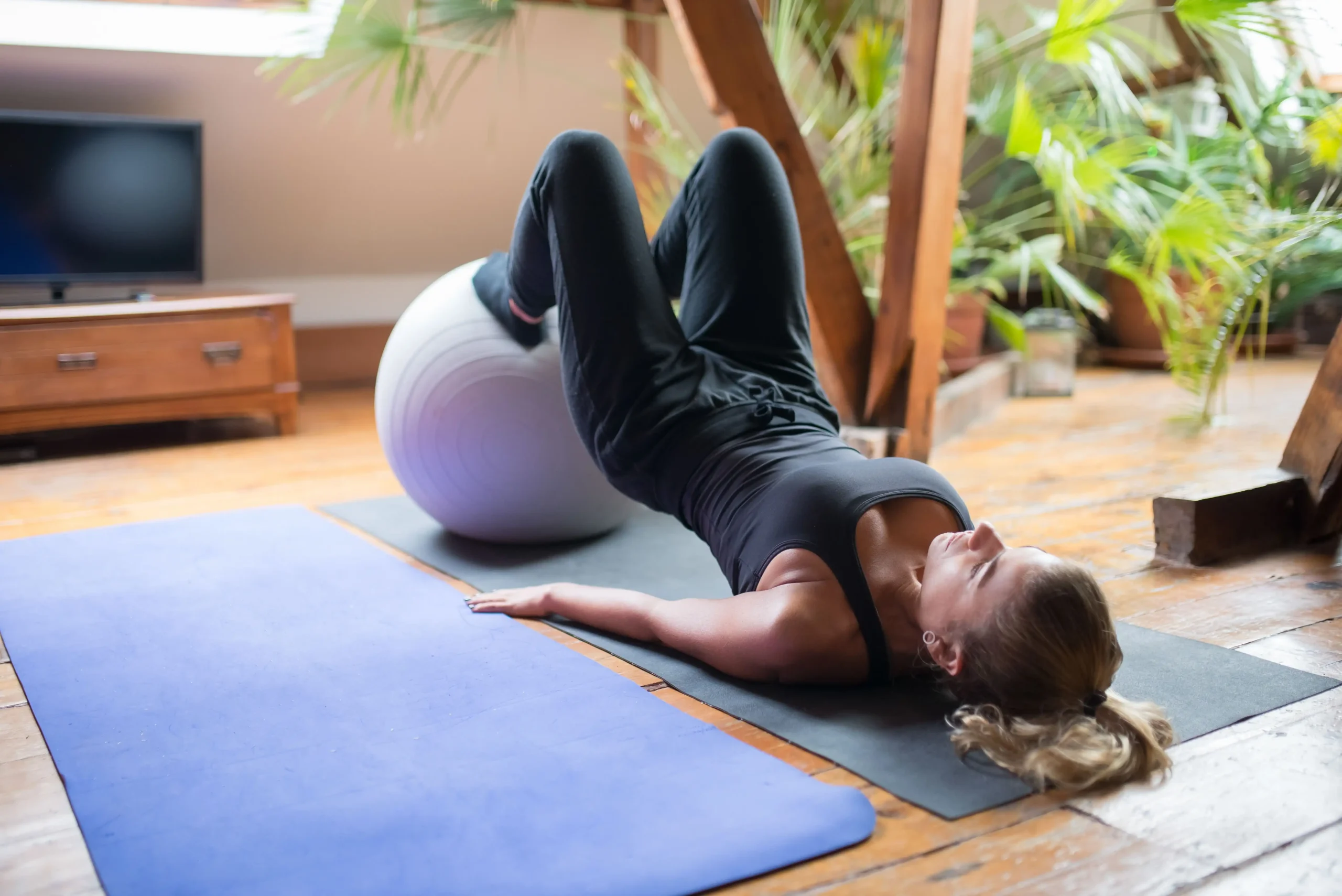
Lie on your back with knees bent and feet flat on the floor. Lift your hips upward, squeeze your glutes, then slowly lower down.
This exercise strengthens your lower back, glutes, and core stability.
It is especially helpful for people who sit for long hours.
Minute 8–9: Standing Side Leg Raises
Stand straight and slowly lift one leg to the side, then return it down. Repeat on both sides.
This helps improve hip strength, balance, and stability, which are important for overall movement and posture.
Focus on controlled motion rather than height.
Minute 9–10: Plank Hold (Beginner Version)
Place your forearms on the floor or keep your hands on a table for a modified version. Hold your body in a straight line.
Planks strengthen your core, which supports almost every movement in your body.
Start with shorter holds if needed and gradually increase your time.
Minute 10–11: Standing Forward Reach Stretch
Reach your arms forward and gently stretch your back and shoulders.
This helps relax your muscles after core engagement and improves flexibility.
Minute 11–12: Light Cardio Movement
Do light jumping jacks or step side-to-side quickly. This increases your heart rate again and improves cardiovascular endurance.
If jumping feels difficult, stick to step movements.
Minute 12–13: Slow Squat Pulse
Do a half squat and gently pulse up and down. This builds endurance in your legs and glutes.
Keep movements small and controlled to avoid strain.
Minute 13–14: Arm & Shoulder Stretch
Stretch both arms across your chest and overhead. This helps reduce tension built from upper body exercises.
Stretching improves recovery and prevents stiffness.
Minute 14–15: Deep Breathing Cool Down
Stand still, close your eyes if comfortable, and take slow deep breaths. Inhale through your nose and exhale through your mouth.
This brings your heart rate back to normal and helps your body transition into rest mode.
How Often Should You Do This Workout?
This routine can be done daily or at least 4–5 times per week. Because it is low impact and beginner-friendly, it is safe for regular use.
However, listen to your body. If you feel sore, take a rest day or focus on light stretching instead.
Benefits of a 15-Minute Daily Workout
Even though it is short, this routine offers several long-term benefits:
It improves energy levels throughout the day, enhances mood through natural endorphin release, and helps build discipline and consistency. Over time, it also supports weight management, improves posture, and strengthens your overall body.
Small daily actions often create the biggest transformations.
Supporting Your Fitness Goals with Nutrition
Exercise alone is powerful, but combining it with proper nutrition creates better and faster results. Beginners should focus on balanced meals with enough protein, healthy fats, and complex carbohydrates.
Protein is especially important because it helps repair and build muscle after workouts. Many people include protein supplements as part of their routine to support recovery and maintain energy levels throughout the day.
One example of a convenient option is this low-carb whey protein:
Whey Protein Low Carb Chocolate

This type of supplement is commonly used to support muscle recovery and help maintain a balanced diet when combined with regular exercise and proper lifestyle habits.
Common Mistakes Beginners Should Avoid
One of the most common mistakes is doing exercises too quickly without proper form. Another mistake is skipping warm-ups and cool-downs, which increases the risk of injury.
Some beginners also expect instant results. Fitness is a gradual process, and consistency is more important than intensity in the beginning stage.
Overtraining is another issue. Even a short routine like this should be balanced with rest and recovery when needed.
Final Thoughts
A 15-minute beginner workout routine is one of the simplest and most effective ways to start building a healthier lifestyle. You do not need advanced equipment or long hours at the gym to make progress.
What matters most is showing up daily, staying consistent, and gradually improving your strength and endurance over time.
With just 15 minutes a day, you can build momentum, improve your fitness level, and create a habit that supports long-term health and confidence.


Leave a Comment