
Your First 30 Days of Exercise: A Beginner-Friendly Plan to Build a Fitness Habit
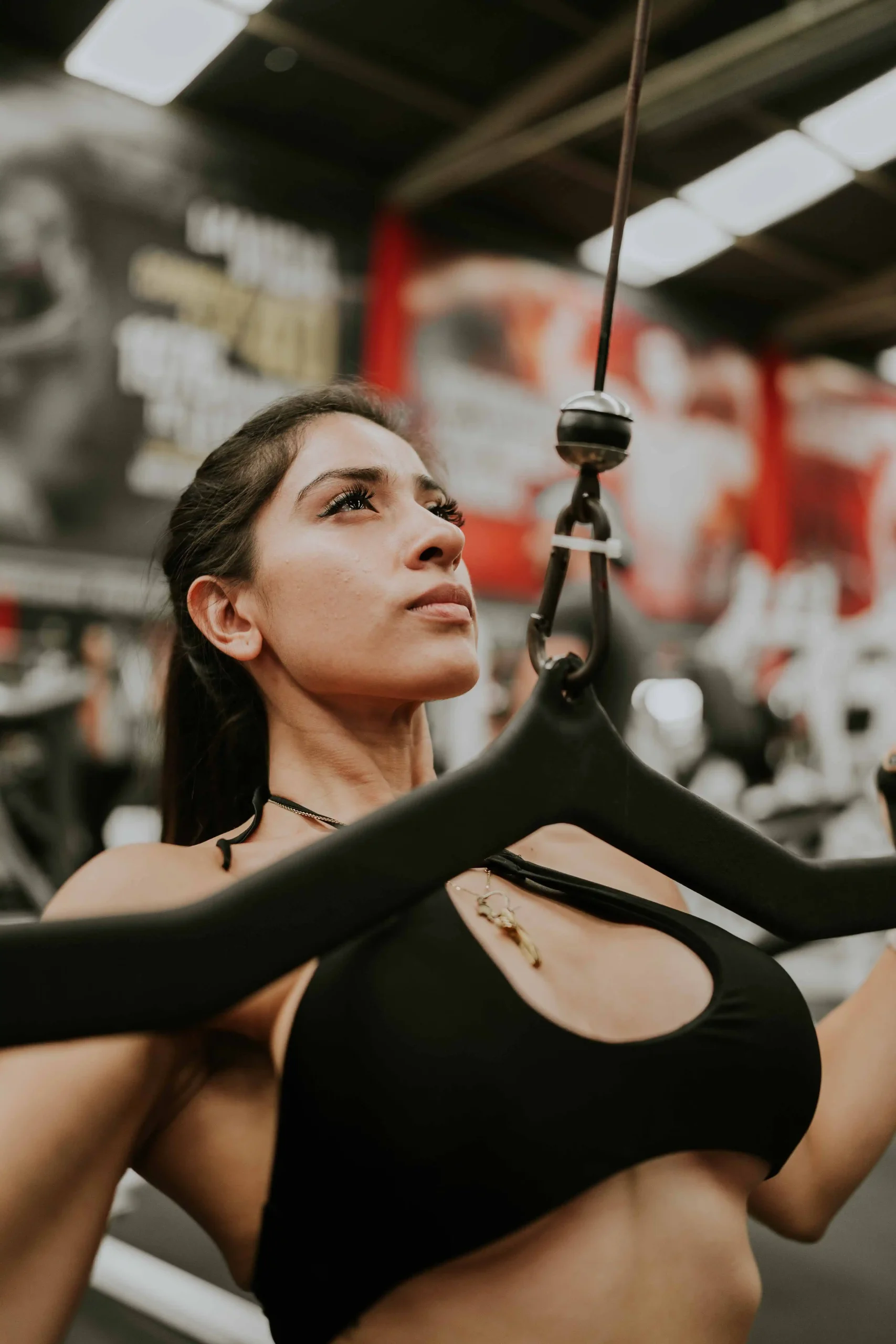
Starting an exercise routine can feel exciting, but for many beginners, the hardest part is simply knowing where to begin. With countless workout programs, fitness trends, and complicated routines available online, it is easy to feel overwhelmed before even taking the first step.
The truth is that building a healthy exercise habit does not require extreme workouts or spending hours at the gym. The most successful fitness journeys often begin with small, consistent actions that gradually become part of everyday life.
Your first 30 days of exercise should not be about perfection. It should be about creating momentum, learning what your body needs, and developing a routine that you can maintain long after the first month is over.
Whether your goal is improving your energy, building strength, managing weight, reducing stress, or simply becoming more active, a beginner-friendly fitness plan can help you create a strong foundation for long-term success.
Why the First 30 Days Matter for Building a Fitness Habit
The beginning of a fitness journey is often the most important stage because it determines whether exercise becomes a temporary challenge or a lasting lifestyle change.
Many beginners make the mistake of starting too aggressively. They may attempt intense workouts every day, follow advanced routines, or set unrealistic goals. While motivation may be high at the beginning, pushing too hard can quickly lead to exhaustion, soreness, frustration, and eventually quitting.
A better approach is to focus on consistency. Your body needs time to adapt to new movements and increased activity. By starting slowly and gradually increasing your workouts, you can build confidence while reducing the risk of burnout.
The first 30 days are about creating a relationship with exercise. Instead of seeing workouts as something you “have to do,” the goal is to make movement a normal part of your daily routine.
Small actions such as taking a walk, stretching in the morning, doing bodyweight exercises, or completing a short workout at home can create powerful habits when repeated consistently.
Setting Realistic Goals Before You Start Exercising
Before beginning your 30-day fitness journey, it is important to understand your personal reasons for exercising. Having a clear goal can help you stay motivated when your excitement starts to fade.
Some beginners want to lose weight, while others want to improve strength, increase energy, feel healthier, or gain confidence. There is no single correct reason to exercise. The important thing is choosing goals that matter to you.
Instead of focusing only on physical changes, consider setting habit-based goals. For example, committing to moving your body for 20 minutes each day or completing three workouts per week can be more achievable than focusing only on a number on the scale.
A successful fitness journey is built through progress. Every workout completed is a step forward, even if the changes are not immediately visible.
Week One: Building the Foundation Through Movement
The first week is about introducing your body to regular movement. The goal is not intensity but consistency.
During this stage, beginners should focus on simple activities that feel comfortable. Walking is one of the best ways to start because it requires no special equipment and can easily fit into most schedules.
Aim for 15 to 30 minutes of walking several days during the first week. If you have been inactive for a long time, even shorter walks are a great starting point.
You can also add beginner-friendly exercises such as:
- Bodyweight squats
- Wall push-ups
- Gentle stretching
- Standing leg raises
- Basic core exercises
The focus should be learning proper movement patterns and becoming comfortable with exercise.
Week one is also the perfect time to create a workout schedule. Choose specific times when exercise will become part of your routine. Treat your workouts like an important appointment with yourself.
Week Two: Adding Strength and Confidence
By the second week, your body may begin adjusting to your new routine. This is a good time to introduce more strength-focused exercises.
Strength training is important for beginners because it helps build muscle, improve balance, support metabolism, and make everyday activities easier.
You do not need heavy weights to begin. Bodyweight exercises can be effective for building strength, especially when you are learning proper form.
A simple beginner strength routine may include:
- Squats for lower-body strength
- Modified push-ups for upper-body strength
- Glute bridges for hip strength
- Planks for core stability
- Lunges for balance and coordination
Perform these exercises at a comfortable pace. The goal is to challenge yourself while still maintaining good technique.
Remember that feeling tired during exercise is normal, but sharp pain is not. Listening to your body is an important part of building a sustainable fitness habit.
Week Three: Creating a Balanced Workout Routine
During the third week, beginners can start creating a more balanced approach by combining different types of exercise.
A well-rounded fitness routine usually includes:
Cardio activities that support heart health and endurance.
Strength training that helps build and maintain muscle.
Flexibility exercises that improve mobility and reduce stiffness.
Balance exercises that support body control and stability.
You can combine these activities throughout the week. For example, you might walk on certain days, complete strength workouts on others, and include stretching sessions for recovery.
This is also the stage where many beginners notice improvements beyond physical changes. You may experience better energy, improved mood, stronger confidence, and a greater sense of accomplishment.
Exercise is not only about changing your body. It is also about improving how you feel every day.
Week Four: Turning Exercise Into a Lifestyle
The final week of your first 30 days is about creating habits that continue beyond the challenge.
By now, exercise should begin feeling more familiar. You may have discovered workouts you enjoy, identified your preferred schedule, and learned how your body responds to movement.
This is the perfect time to evaluate your progress.
Ask yourself:
What types of exercise do I enjoy most?
What time of day works best for my workouts?
What improvements have I noticed?
What goals do I want to work toward next?
The end of the first month is not the finish line. It is the beginning of a healthier lifestyle.
Many people stop exercising because they believe they need to follow a perfect plan. In reality, long-term success comes from creating routines that fit your lifestyle.
Supporting Your Fitness Journey With Healthy Nutrition
Exercise is only one part of building a healthier lifestyle. Nutrition plays an important role in providing the energy your body needs for movement, recovery, and overall wellness.
Beginners often focus heavily on workouts but forget that the foods and drinks they consume can influence their energy levels and consistency.
A balanced approach includes eating enough protein, choosing nutrient-rich foods, staying hydrated, and enjoying meals that support your goals.
Healthy habits do not have to feel restrictive. Small changes can make a difference, such as preparing more meals at home, adding more fruits and vegetables, and making mindful choices when adding sweetness to foods and beverages.
For those looking for a simple way to support healthier everyday choices, products like Skinii Sweetener 16oz can be incorporated into a balanced nutrition routine as an alternative option for adding sweetness while staying mindful of lifestyle goals.

Common Beginner Exercise Mistakes to Avoid
Starting a fitness routine is exciting, but avoiding common mistakes can help you stay consistent.
One common mistake is doing too much too soon. Many beginners believe harder workouts create faster results, but excessive intensity can increase the chance of injury and make exercise feel discouraging.
Another mistake is comparing your progress to others. Everyone starts from a different place. Someone else’s fitness journey does not determine your success.
Skipping rest days is another common problem. Recovery allows your muscles to repair and helps your body adapt to exercise. Rest is not a sign of weakness; it is part of progress.
Finally, many beginners focus only on appearance-based goals. While physical changes can be motivating, exercise also improves strength, confidence, mental wellness, and daily energy.
How to Stay Motivated After Your First 30 Days
Completing your first month of exercise is a major accomplishment, but maintaining motivation requires continued effort.
One helpful strategy is creating new goals. Once exercise becomes a habit, you can gradually increase workout intensity, try new activities, or work toward specific milestones.
Finding enjoyable forms of movement also makes consistency easier. Some people enjoy walking outdoors, while others prefer strength training, dancing, cycling, swimming, or group fitness classes.
Another important factor is celebrating progress. Fitness improvements are not always measured by weight or appearance. Completing workouts consistently, feeling stronger, sleeping better, and having more energy are all meaningful achievements.
The goal is not to create a temporary fitness phase. The goal is to create a lifestyle where taking care of your body becomes a natural part of your routine.
Final Thoughts: Your Fitness Journey Starts With One Step
Your first 30 days of exercise are about more than completing workouts. They are about building confidence, creating discipline, and discovering what your body is capable of achieving.
Starting small does not mean your goals are small. Every walk, stretch, workout, and healthy choice contributes to a stronger foundation for your future.
A successful fitness journey is created through consistency, patience, and realistic expectations. You do not need to be an athlete to begin exercising. You simply need to take the first step.
By following a beginner-friendly 30-day exercise plan, supporting your body with proper nutrition, and creating habits that fit your lifestyle, you can build a healthier routine that lasts far beyond your first month.
The best time to start is not when you feel completely ready. The best time is when you decide that your health is worth the effort.


Leave a Comment