
Can Tummy Tea Help With Constipation? What Women Should Know About Digestive Health

Constipation is an uncomfortable digestive problem that many women experience, yet it is not always something people feel comfortable talking about. Feeling bloated, heavy, or unable to have a comfortable bowel movement can affect your mood, energy, appetite, and daily routine. When this happens, many women look for simple ways to support better digestion, including drinking more water, eating more fiber, exercising regularly, and adding herbal teas to their daily routine. This is where tummy tea often enters the conversation. But can tummy tea actually help with constipation, and is it necessary to have a bowel movement every day? The answer depends on what is causing your constipation and what ingredients are in the tea. While certain herbal teas may support hydration and digestive comfort, tea alone is not a guaranteed solution for constipation. Understanding how digestion works and building healthy daily habits can be a much more effective approach to maintaining regular bowel movements.
What Does Constipation Actually Mean?
Constipation does not necessarily mean that you have to poop every single day. Bowel movement frequency varies from person to person, and what is normal for one woman may not be normal for another. Instead of focusing only on how often you use the bathroom, it is important to consider whether your bowel movements are comfortable and easy to pass.
Constipation is commonly associated with having fewer bowel movements than usual, passing hard or dry stools, straining during a bowel movement, or feeling as though you have not completely emptied your bowels. Occasional constipation can happen for many reasons, including changes in diet, not drinking enough fluids, being less physically active, traveling, changes in routine, or simply ignoring the urge to use the bathroom.
For some women, constipation can also be connected to hormonal changes, stress, certain medications, or dietary habits. If constipation becomes frequent or persistent, it is worth looking beyond quick fixes and considering what may be contributing to the problem.
Why Women May Experience Constipation
Digestive health can be influenced by many aspects of everyday life. Women may notice changes in bowel habits during different stages of life or around certain hormonal changes. Stress can also affect digestion. When you are under pressure, your entire body can respond, and your normal digestive routine may change.
Diet is another major factor. A diet that is consistently low in fiber may make stools harder and more difficult to pass. Fiber is found naturally in foods such as fruits, vegetables, whole grains, beans, lentils, nuts, and seeds. Increasing fiber gradually can support healthier bowel movements, but doing so too quickly without enough fluids may cause additional bloating or discomfort.
Hydration matters as well. When you do not consume enough fluids, your stool may become harder and more difficult to pass. Drinking water throughout the day can therefore be an important part of supporting normal digestion.
Physical activity is another simple but often overlooked factor. Regular movement can help support normal digestive function. Even something as accessible as walking can be a useful addition to a daily wellness routine.
Can Herbal Tea Help With Constipation?
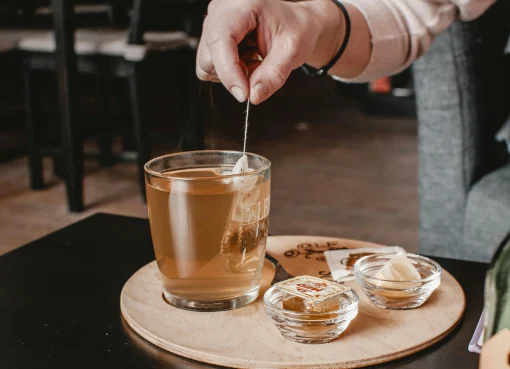
Certain herbal teas may help support digestive comfort, but their effects depend heavily on the ingredients. Some teas are primarily soothing beverages that provide fluids, while others contain herbs traditionally used to support digestion or bowel movements.
Drinking a warm beverage can also become part of a relaxing morning or evening routine. For some people, having a warm drink after waking up or with a meal may encourage them to pay attention to their body’s natural signals.
However, it is important to distinguish between a gentle herbal tea and a tea that contains stimulant laxatives. Some herbal ingredients can directly stimulate bowel movements and may be appropriate for short-term use in certain circumstances, but they are not necessarily suitable for frequent or long-term use. Depending on the ingredients and the individual, excessive use of stimulant laxatives can contribute to cramping, diarrhea, dehydration, or other problems.
Before using any tea specifically for constipation, check the ingredient list and understand what each ingredient is intended to do. Natural does not automatically mean risk-free.
The Role of Hydration in Digestive Health
One of the simplest habits for supporting regular digestion is staying adequately hydrated. Water helps your body perform many essential functions, including maintaining normal digestive processes. Fluids also help keep stool from becoming excessively hard.
If you are trying to improve your bowel habits, think about your overall fluid intake rather than relying on one particular beverage. Water should generally be the foundation of your hydration routine.
Herbal tea can contribute to your overall fluid intake, depending on the ingredients and how it is prepared. A warm cup of tea can be an enjoyable way to increase fluids throughout the day while creating a calming wellness ritual.
However, drinking tea does not replace the need for a balanced diet, sufficient water, and healthy lifestyle habits. If you are consistently dehydrated, adding a cup of tea without changing your overall fluid intake may not solve the underlying issue.
Fiber Is Essential for Regular Bowel Movements
If you frequently struggle with constipation, take a closer look at your fiber intake. Fiber adds bulk to stool and can help support regular bowel movements. There are two main types of dietary fiber, soluble and insoluble, and both can be found in a variety of plant foods.
Fruits such as apples, pears, berries, and oranges can contribute fiber to your diet. Vegetables, beans, lentils, oats, whole grains, nuts, and seeds are also useful sources.
The key is to increase fiber gradually. Suddenly consuming very large amounts of fiber can lead to gas, bloating, and abdominal discomfort, especially if your body is not accustomed to it. Increasing fiber slowly while maintaining adequate fluid intake can make the transition more comfortable.
Instead of thinking about fiber as a supplement or a single food, try building meals around a variety of whole plant foods. A breakfast containing oats and fruit, a lunch with vegetables and beans, or a dinner that includes whole grains and vegetables can all contribute to your daily fiber intake.
Does Exercise Help You Poop More Regularly?
Regular movement can be helpful for digestive health. Physical activity supports overall body function and may help encourage normal bowel movements. You do not need to start an intense workout program to benefit from being more active.
Walking is an excellent starting point for many beginners. A short walk after a meal or a few active breaks throughout the day can help you avoid sitting for long periods.
Strength training, cycling, swimming, dancing, and other forms of exercise can also become part of a healthy routine. The most effective activity is often the one you enjoy enough to do consistently.
If you currently have a sedentary lifestyle, start gradually. Even small increases in daily movement can be more sustainable than suddenly committing to an intense workout schedule.
Why Your Morning Routine May Matter
Many people notice that their digestive system becomes more active in the morning. After waking and eating breakfast, your body may naturally respond by increasing movement in the digestive tract. Taking advantage of this natural routine can help you establish healthier bathroom habits.
Instead of immediately rushing through your morning, give yourself enough time to use the bathroom when you feel the urge. Ignoring that urge repeatedly may make it harder to establish a comfortable bowel routine.
A simple morning routine might include drinking water, eating a fiber-rich breakfast, moving your body for a few minutes, and allowing yourself enough time to use the bathroom without rushing.
The goal is not to force a bowel movement. Rather, it is about creating conditions that support your body’s natural digestive process.
Can You Train Yourself to Poop Every Day?
Not necessarily, and you do not need to. Healthy bowel frequency varies widely. Some people naturally have bowel movements several times a day, while others may go every other day.
The more important question is whether your bowel movements are comfortable and whether your pattern is normal for you. A sudden change in your usual bowel habits may be more important than comparing yourself with someone else’s schedule.
If you are regularly experiencing hard stools, significant straining, persistent bloating, or a feeling of incomplete emptying, those symptoms deserve attention even if you technically have a bowel movement every day.
Rather than chasing a specific number of bathroom trips, focus on supporting healthy digestion through nutrition, hydration, movement, sleep, and stress management.
What to Look for in a Digestive Tea
If you are considering adding an herbal tea to your wellness routine, start by reading the label. Look at the ingredients rather than choosing a product simply because it is marketed as a detox, cleanse, or flat-tummy solution.
Consider whether the tea is primarily designed as a soothing beverage or whether it contains ingredients that have laxative effects. Products that promise rapid weight loss or dramatic cleansing should be approached carefully. A temporary decrease on the scale after losing water or emptying the bowel is not the same thing as losing body fat.
A quality wellness routine should support your body rather than encourage extreme or uncomfortable results. If a tea causes severe cramping, diarrhea, dizziness, or other concerning symptoms, stop using it and consider speaking with a healthcare professional.
For women who are pregnant, breastfeeding, taking medications, or managing an ongoing health condition, it is particularly important to check with a qualified healthcare professional before regularly consuming herbal products.
Simple Ways to Support Better Digestion Every Day
Improving digestive health does not have to involve complicated routines. Start with the basics. Drink enough fluids throughout the day and make water your primary beverage. Gradually include more fiber-rich foods in your meals. Stay physically active and avoid spending the entire day sitting.
Pay attention to your body’s signals as well. When you feel the urge to have a bowel movement, try not to ignore it unnecessarily. Give yourself enough time and privacy rather than rushing.
Eating meals at relatively consistent times may also help you establish a predictable routine. Your digestive system responds to patterns, so consistency can be useful.
Sleep and stress management should not be overlooked. Although they are not usually the first things people think about when discussing constipation, your overall wellness can influence how you feel physically and how your digestive system functions.
When Constipation May Need Medical Attention
Occasional constipation is common, but persistent or severe symptoms should not simply be treated with tea. If constipation does not improve with basic lifestyle changes or continues to return frequently, consider discussing it with a healthcare professional.
You should seek prompt medical attention if constipation is accompanied by severe or persistent abdominal pain, vomiting, significant abdominal swelling, blood in the stool, unexplained weight loss, or other concerning symptoms. A healthcare professional can help determine whether an underlying medical condition, medication, or another factor may be contributing to the problem.
It is also important to be cautious about using laxative products regularly without professional guidance. Depending on the product and the reason for constipation, frequent use may not be appropriate.
Building a Healthy Digestive Routine That Lasts
The best approach to digestive wellness is usually not the most extreme one. You do not need to force yourself to have a bowel movement every morning, follow a restrictive cleanse, or depend on a particular drink to feel healthy.
Instead, focus on creating habits that support your digestive system every day. Eat a variety of nutrient-rich foods, gradually increase fiber when needed, drink enough fluids, stay active, and listen to your body’s natural signals.
A warm cup of herbal tea can fit comfortably into that routine. For some women, it may become a relaxing part of the morning or evening, while for others, water and a fiber-rich diet may make a much bigger difference.
The important thing is to look at the bigger picture rather than expecting one beverage to solve every digestive concern.
The Bottom Line
Can tummy tea help with constipation? It may support digestive comfort or hydration depending on its ingredients, but it is not a guaranteed solution, and not every woman needs to have a bowel movement every day. Constipation is better understood by looking at stool consistency, difficulty passing stool, and changes from your normal bowel habits rather than simply counting bathroom visits.
For women looking to improve digestive health, the foundation should be simple: adequate hydration, enough dietary fiber, regular movement, healthy meals, sufficient rest, and attention to the body’s natural signals. Herbal tea can be an optional addition to this routine, but it should complement healthy habits rather than replace them.
If constipation becomes persistent, painful, or is accompanied by concerning symptoms, professional medical advice is more appropriate than relying on a tea or cleanse. Your digestive health is part of your overall well-being, and the goal should not be to force your body into a particular schedule. Instead, focus on supporting your body consistently and giving your digestive system the conditions it needs to work naturally.


Leave a Comment