
Hot or Iced? How to Make Herbal Tea Part of Your Daily Wellness Routine
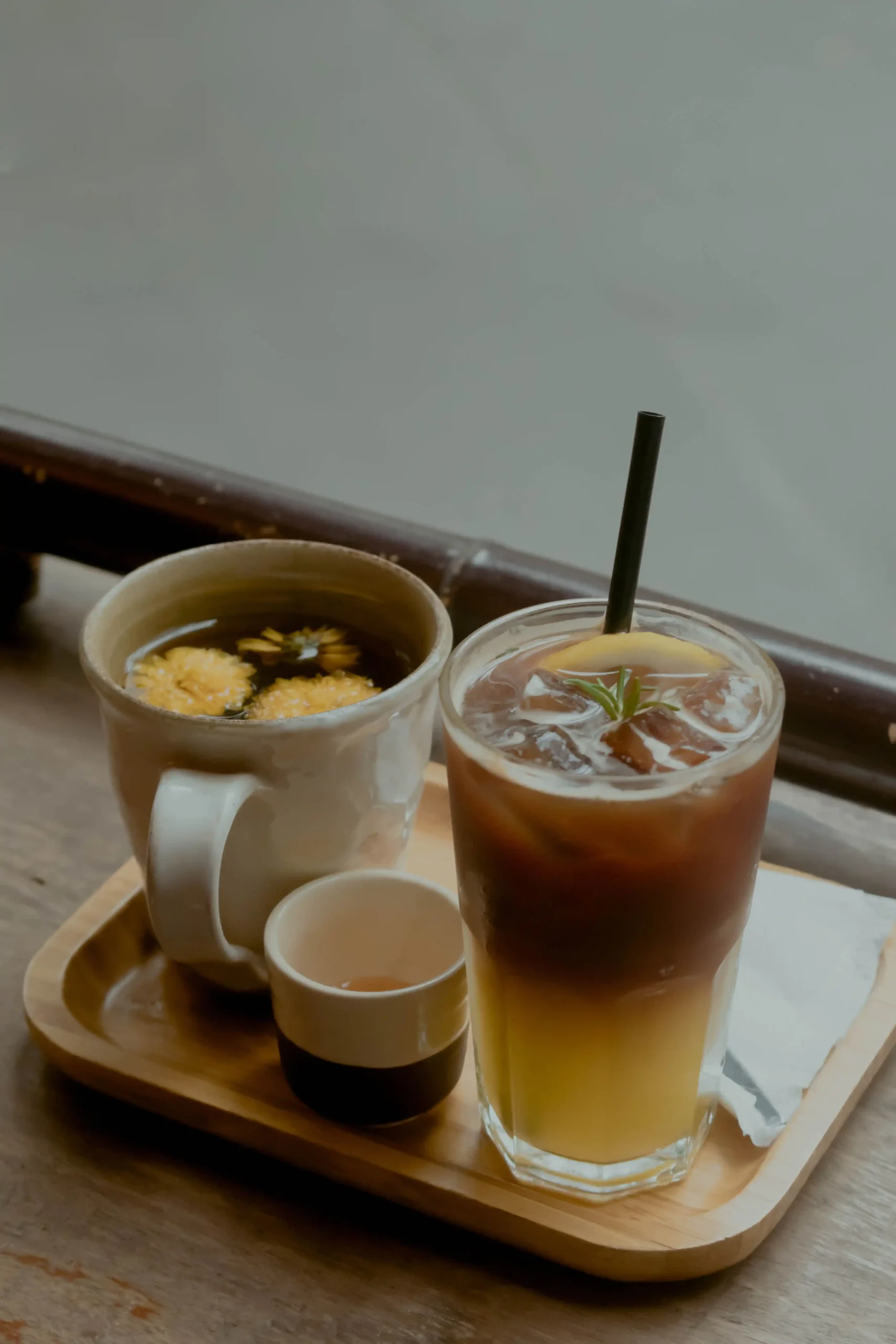
Introduction: Discover the Benefits of Making Herbal Tea a Daily Ritual
Herbal tea has become a popular choice for people looking to create a healthier, more relaxing daily routine. Whether enjoyed warm in the morning, served over ice on a sunny afternoon, or sipped in the evening before bed, herbal tea offers a simple way to enjoy flavorful beverages while supporting everyday hydration. With countless combinations of dried flowers, herbs, leaves, and fruits available, it is easy to find a tea that suits your personal taste and lifestyle.
Unlike traditional tea made from the leaves of the Camellia sinensis plant, herbal tea is generally prepared by steeping herbs, flowers, spices, fruits, or other botanical ingredients in hot water. Depending on the ingredients, herbal infusions can be naturally caffeine-free or contain caffeine when they include ingredients such as green tea. This variety makes herbal tea appealing to people who want alternatives to sugary drinks, coffee, or commercially flavored beverages.
However, enjoying herbal tea regularly does not require complicated preparation methods or expensive equipment. A simple cup made with hot water and quality ingredients can become a satisfying part of your everyday routine. You can also prepare iced herbal tea for warm weather, experiment with natural flavors, and adjust the strength according to your preferences.
The key is to understand how to prepare herbal tea properly, choose ingredients thoughtfully, and enjoy it as part of a balanced lifestyle. By making small changes to your beverage habits, you can discover enjoyable ways to stay hydrated without relying on excessive added sugar.
What Is Herbal Tea, and Why Is It Popular?
Herbal tea is a beverage made by infusing botanical ingredients in water. Common ingredients include chamomile, peppermint, ginger, hibiscus, lavender, lemongrass, and various fruit blends. Some products combine several herbs to create distinctive flavors and aromas, while others focus on a single ingredient.
One reason herbal tea is popular is its versatility. People can enjoy it hot or cold, with or without sweeteners, and at different times throughout the day. Chamomile is often associated with calming evening routines, peppermint offers a refreshing flavor, and ginger adds a warm, spicy taste to beverages. Hibiscus produces a tangy infusion that can be particularly enjoyable when served chilled.
Herbal tea can also be an appealing alternative to beverages containing substantial amounts of added sugar. Replacing some sweetened drinks with unsweetened tea may help reduce overall added sugar intake, depending on what a person typically drinks. This can be a practical step for people who want to make more mindful beverage choices.
It is important to remember that herbal tea is not a single nutritional category with identical effects. Different ingredients have different properties, and evidence supporting specific health benefits varies. A pleasant flavor or traditional use does not automatically prove that a tea can treat a health condition.
For most people, herbal tea is best viewed as an enjoyable beverage that can complement a varied diet, adequate hydration, and other healthy habits rather than replace them.
Hot Herbal Tea: A Comforting Addition to Your Morning Routine
Drinking hot herbal tea can be a simple way to begin the day with a relaxing moment. Preparing a cup encourages you to pause before moving into work, household responsibilities, or other daily activities. The warmth, aroma, and flavor can make the experience feel comforting without requiring a complicated routine.
To prepare hot herbal tea, begin by heating fresh drinking water. Place the recommended amount of dried herbs or one tea bag in a clean cup or teapot, then pour the hot water over the ingredients. Allow the tea to steep according to the product instructions. Steeping time varies depending on the botanical ingredients and desired flavor, so following the package directions is a useful starting point.
Covering the cup while the tea steeps can help retain heat and preserve some of the aromatic compounds released by the herbs. Once the tea has steeped, remove the tea bag or strain out loose ingredients before drinking. Allow the beverage to cool to a comfortable temperature.
Hot herbal tea can pair well with breakfast, including oatmeal, eggs, whole-grain toast, fruit, or yogurt. It can also be enjoyed during a morning break when you want a flavorful drink without adding another cup of coffee to your routine.
If you prefer a stronger flavor, avoid assuming that longer steeping is always better. Excessive steeping can make certain teas bitter or unpleasant. Adjust the preparation time gradually while following the product’s recommended instructions.
A warm cup of herbal tea may become especially enjoyable during cooler weather or rainy mornings. The most useful routine is one that fits naturally into your schedule and encourages you to choose beverages you genuinely enjoy.
Iced Herbal Tea: A Refreshing Choice for Warm Weather
Iced herbal tea is an excellent option when you want a refreshing drink without relying on sweetened bottled beverages. Its light, customizable flavor makes it suitable for warm afternoons, outdoor meals, and relaxing breaks at home.
There are two straightforward ways to prepare iced herbal tea. The first method begins with a concentrated hot infusion. Steep the tea according to the package directions, remove the tea bag or strain the herbs, and allow the beverage to cool. Pour it over ice in a clean glass and add cold water if you prefer a lighter flavor.
The second method involves preparing a larger batch and refrigerating it after it has cooled. Use a clean, heat-safe container for the initial preparation, then transfer the cooled tea to a covered, food-safe container and refrigerate it promptly. Follow any product-specific preparation instructions, particularly for blends containing ingredients that require special handling.
You can personalize iced herbal tea with slices of lemon, orange, or cucumber. Fresh mint leaves can add a cooling aroma, while a few pieces of fruit can create a naturally fruity flavor. These additions can make the drink more appealing without requiring large amounts of sugar or syrup.
For a stronger fruit flavor, try combining hibiscus tea with orange slices or pairing chamomile with a small amount of apple. If you enjoy ginger, a mild ginger infusion can provide a refreshing drink when chilled.
Keep food safety in mind when preparing tea in advance. Store it in the refrigerator in a clean, covered container, avoid leaving it at room temperature for extended periods, and discard it if its appearance, smell, or taste becomes unusual.
Iced herbal tea can be especially useful for people who want to make drinking water more enjoyable. Although it is not necessary to flavor water to stay hydrated, having a beverage that suits your preferences may make it easier to drink fluids regularly.
How Herbal Tea Can Support Everyday Hydration
Hydration is essential for normal body functions, including temperature regulation, circulation, digestion, and the transportation of nutrients. The amount of fluid a person needs depends on several factors, such as activity level, climate, body size, diet, and overall health.
Plain water remains an excellent everyday beverage, but it is not the only source of fluids. Unsweetened herbal tea can contribute to total fluid intake and offer variety for people who do not particularly enjoy drinking plain water.
This can be especially relevant in warm climates, where sweating may increase fluid requirements. Alternating between water and unsweetened herbal tea throughout the day can provide variety without adding substantial sugar to your diet.
However, not every herbal tea is appropriate for every person. Some blends contain caffeine, diuretic ingredients, laxative herbs, or botanicals that may interact with medications. People who have medical conditions affecting fluid balance should follow their healthcare professional’s recommendations rather than relying on general hydration advice.
It is also important not to assume that drinking more tea automatically produces better health outcomes. Excessive fluid intake can be harmful in certain circumstances, and individual needs vary. Instead of forcing yourself to drink a specific amount regardless of thirst or medical guidance, develop a consistent hydration routine that suits your circumstances.
A practical approach is to keep a water bottle nearby, drink fluids with meals, and enjoy an unsweetened herbal infusion when you want something flavorful. Paying attention to thirst, activity, and environmental conditions can help you make reasonable hydration choices throughout the day.
How to Enjoy Herbal Tea Without Excessive Added Sugar
One of the easiest ways to make herbal tea part of a healthier routine is to appreciate its natural flavor before adding sweeteners. Many herbal ingredients have distinctive tastes that become more noticeable when prepared correctly. Chamomile offers floral notes, peppermint has a refreshing character, and hibiscus produces a naturally tart flavor.
If you usually add several teaspoons of sugar to your drinks, try reducing the amount gradually. Small adjustments can help your taste preferences adapt over time without making the change feel restrictive.
Natural flavor additions can also make herbal tea more enjoyable. Lemon juice adds brightness, cinnamon can contribute a warm aroma, and fresh mint offers a refreshing taste. Fruit slices may provide subtle flavor, although adding whole fruit or fruit juice can also contribute natural sugars and calories.
Honey is another common addition, particularly for people who prefer warm tea. Although honey is often marketed as a natural sweetener, it still contributes sugars and should be used in moderation if reducing added sugar is a goal. Similarly, agave syrup, flavored syrups, and sweetened creamers can increase the sugar content of an otherwise simple beverage.
For iced tea, consider preparing a stronger infusion and diluting it with cold water rather than adding syrup to compensate for a weak flavor. You can also combine different caffeine-free herbs, provided the blend is appropriate for your individual needs.
Reading ingredient labels is useful when buying bottled herbal tea or packaged tea blends. Some products contain added sugar, concentrated fruit ingredients, or flavoring syrups that significantly change their nutritional profile. Choosing unsweetened products gives you greater control over what goes into your drink.
The goal is not to eliminate every sweet ingredient from your life. Instead, it is to make informed choices and find enjoyable ways to prepare beverages that align with your personal nutrition goals.
Choosing Herbal Tea Ingredients for Your Lifestyle
The best herbal tea depends on your preferences, schedule, and any health considerations that may affect which ingredients are suitable for you. Exploring individual herbs can help you understand the flavors available and choose beverages you will enjoy regularly.
Chamomile is known for its mild floral taste and is frequently included in evening tea routines. Some people enjoy it as part of a relaxing bedtime ritual, although it should not be considered a guaranteed treatment for insomnia or anxiety.
Peppermint offers a cool, refreshing flavor that works well in both hot and iced preparations. Some people find peppermint tea soothing after meals, but peppermint may aggravate symptoms in individuals with acid reflux.
Ginger has a warming, slightly spicy taste that can be combined with lemon or other herbs. Research has examined ginger for certain types of nausea, but effects depend on the situation, preparation, and amount consumed. People taking medication or managing medical conditions should consider potential interactions before using concentrated herbal products.
Hibiscus has a tart flavor and a deep red color, making it popular for iced tea. Some research suggests hibiscus preparations may affect blood pressure, which means people taking blood pressure medication should seek professional guidance before using it regularly for a therapeutic purpose.
Green tea is another common ingredient in herbal-style blends, although technically it is a true tea rather than a caffeine-free herbal infusion. It contains caffeine and plant compounds called catechins. Checking the ingredient list is important if you are sensitive to caffeine or want a beverage suitable for late evening.
When selecting a blend, look beyond the product name. Review the complete ingredient list, serving instructions, and safety warnings. A tea marketed for cleansing, slimming, or wellness may contain multiple botanical ingredients with different effects, and its branding does not establish that its health claims are supported by strong scientific evidence.
Making Herbal Tea Part of Your Weekly Wellness Routine
Building a sustainable tea routine does not require drinking herbal tea every day or following a strict schedule. Start by identifying when you would most enjoy it. You might prefer a warm cup after breakfast, an iced infusion during an afternoon break, or a caffeine-free beverage as part of your evening wind-down routine.
Preparing tea in advance can make the habit easier to maintain. For example, you can brew an appropriate batch, refrigerate it safely, and pour a serving whenever you want a refreshing drink. Keeping a selection of your preferred ingredients at home can also reduce the temptation to purchase sugary beverages when you want something flavorful.
Some people enjoy experimenting with different blends throughout the week. You might choose chamomile on one evening, peppermint during the afternoon, or hibiscus over ice on a warm day. Variety can make the routine interesting, but it is sensible to introduce new ingredients gradually, especially when using complex blends or concentrated herbal products.
Products such as Skinii Slim Tea Cleanse may appeal to people exploring herbal tea as part of their wellness routine. Before using a cleanse blend, review its full ingredient list and directions, and consider whether its ingredients are suitable for your health circumstances. Claims relating to bloating, constipation, detoxification, or weight management should be evaluated carefully rather than assumed to be proven benefits.
A cleanse tea is not necessary for hydration or general wellness. Persistent bloating or constipation may have several causes, and appropriate management may involve changes to fiber intake, fluid consumption, physical activity, medication review, or medical assessment. Herbal products can also cause side effects and interact with medications.
People who are pregnant or breastfeeding, take prescription medications, or have an existing medical condition should consult a qualified healthcare professional before using multi-ingredient herbal products. Tea should complement appropriate health care, not replace it.
Ultimately, the best wellness routine is one that supports your needs without adding unnecessary expense, pressure, or complicated rules.
Herbal Tea Safety: What You Should Know
Although herbal tea is often perceived as gentle because it comes from plants, natural ingredients are not automatically safe for everyone. Certain herbs can affect blood pressure, blood sugar, digestion, blood clotting, or the way medications work. Some products may also contain ingredients that cause allergic reactions or gastrointestinal discomfort.
Pay particular attention to teas marketed as cleanses or slimming products. Depending on their ingredients, these products may have laxative effects, interact with medications, or contribute to dehydration and electrolyte disturbances if misused. Frequent bowel movements or temporary changes in body weight should not be confused with meaningful fat loss or proof that the body has been detoxified.
Always follow the manufacturer’s instructions and avoid exceeding the recommended serving. Do not combine multiple cleansing products without professional guidance, and do not use herbal tea as a substitute for medical treatment.
If you experience unexpected symptoms after consuming a tea, stop using it and seek appropriate medical advice. Severe symptoms, such as difficulty breathing, fainting, or signs of a serious allergic reaction, require urgent medical attention.
For ordinary hydration, plain water and appropriately chosen unsweetened beverages are usually sufficient. Herbal tea can be a pleasant addition, but there is no need to consume a specialized blend to achieve the basic benefits of drinking enough fluids.
Conclusion: Find Your Own Way to Enjoy Herbal Tea
Herbal tea offers a simple, flexible way to add variety to your daily beverage routine. Whether you prefer a warm cup in the morning or a refreshing glass of iced tea in the afternoon, the right preparation can make hydration more enjoyable without requiring excessive sugar or complicated ingredients.
Experimenting with chamomile, peppermint, ginger, hibiscus, and other botanical flavors can help you discover combinations that fit your preferences. Paying attention to serving instructions, ingredient labels, and individual safety considerations will also help you make more informed decisions about the products you choose.
Remember that herbal tea is only one part of a broader wellness routine. Drinking enough fluids, eating a balanced diet, staying physically active, getting adequate sleep, and seeking medical guidance when necessary all contribute to everyday well-being.
You do not need expensive products or strict cleansing schedules to enjoy the experience of herbal tea. Start with simple ingredients, choose hot or iced preparations according to your taste, and focus on habits that are realistic and enjoyable. With a thoughtful approach, herbal tea can become a comforting and refreshing part of a balanced lifestyle.



Leave a Comment