
Squats for Beginners: How to Build Stronger Legs and Glutes at Home
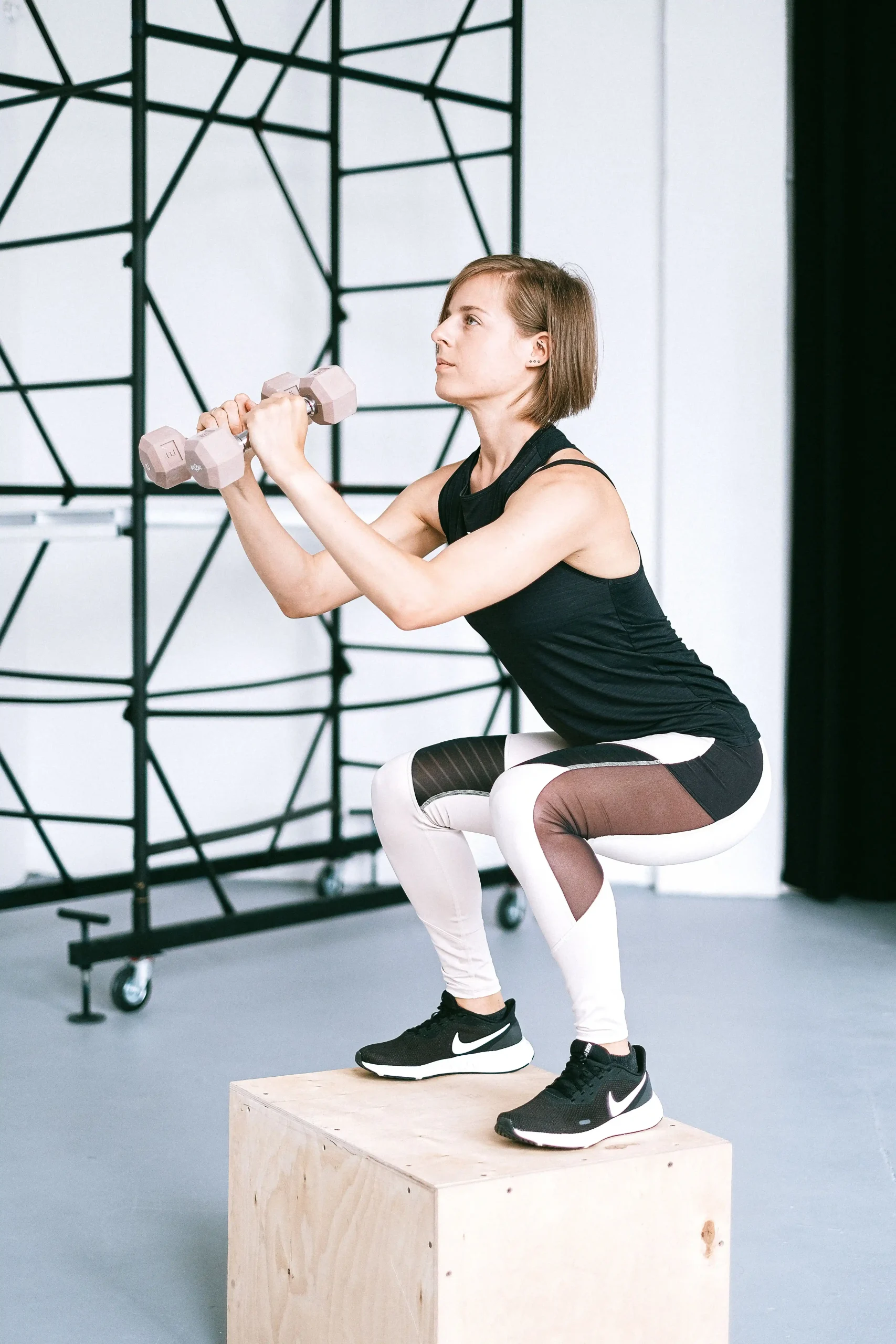
Starting a fitness routine does not have to mean joining a gym, buying expensive equipment, or following complicated workout programs. Some of the most effective beginner exercises can be performed at home using only your body weight. One of the best examples is the squat, a simple yet versatile movement that helps strengthen the legs, glutes, and core while improving everyday movement.
For beginners, learning how to squat correctly is an excellent way to build a foundation for strength training. Squats can be modified to suit different fitness levels, making them accessible to people who are just starting to exercise. Whether your goal is to build stronger legs, strengthen your glutes, improve mobility, or support a healthier lifestyle, adding squats to a consistent exercise routine can be a practical first step.
However, getting results is not just about completing as many repetitions as possible. Proper form, gradual progression, sufficient recovery, and balanced nutrition all play important roles in a successful beginner workout. Understanding how to perform squats safely can help you develop confidence and establish healthy exercise habits that last.
What Is a Squat Exercise?
A squat is a strength-training movement that involves bending your hips and knees to lower your body before returning to a standing position. The movement resembles sitting down in a chair and standing back up. Although it looks simple, a squat engages several muscle groups at the same time.
Bodyweight squats are particularly useful for beginners because they do not require dumbbells, resistance bands, or gym machines. You can perform them in a small space at home, making them convenient for people with busy schedules.
Squats also imitate movements that people perform throughout the day, including sitting on a chair, getting out of bed, and picking up objects from a lower surface. Practicing controlled squats can help improve lower-body strength and movement coordination, which may make these everyday activities easier over time.
As your fitness improves, you can gradually make the exercise more challenging by increasing repetitions, slowing down the movement, adding a pause at the bottom, or using resistance. Beginners should focus on mastering the basic bodyweight squat before progressing to more demanding variations.
Benefits of Squats for Beginners
Builds Stronger Legs and Glutes
One of the main benefits of squats is that they strengthen the muscles responsible for lower-body movement. The quadriceps, located at the front of the thighs, help straighten the knees. The gluteal muscles, commonly called the glutes, contribute to hip extension and help you return to a standing position.
Squats also involve the hamstrings, which run along the back of the thighs, and the adductor muscles on the inner thighs. These muscles work together to support controlled movement and stability.
For beginners, regular strength training can gradually improve muscle strength and functional capacity. You do not need to begin with heavy weights to start building a foundation. Consistent practice with good technique can help prepare your body for more advanced exercises.
Supports Everyday Mobility
Squatting is a movement pattern used in many daily activities. Sitting down, standing up, and lowering yourself to reach something all require some combination of hip and knee movement.
Practicing squats through a comfortable range of motion may help beginners become more familiar with these movements. Over time, strengthening the muscles around the hips and knees can support everyday physical activities.
Mobility varies from person to person, so beginners should not force themselves into a deep squat immediately. The goal is to move comfortably and maintain control rather than trying to match someone else’s depth.
Helps Develop Core Stability
Although squats primarily target the lower body, the abdominal and back muscles also work to stabilize the torso. Maintaining a controlled trunk position throughout each repetition requires coordination between the core and the muscles of the hips and legs.
A stable core can help you maintain balance and control while exercising. Beginners can develop this skill by practicing slow, controlled repetitions instead of rushing through a set.
Fits Into a Home Workout Routine
Bodyweight squats are convenient because they require little space and no specialized equipment. You can include them in a short beginner workout alongside walking, wall push-ups, glute bridges, and other simple exercises.
Squats can also be adjusted to different ability levels. Someone who finds a regular squat difficult can start by sitting down on a sturdy chair and standing back up. As strength and confidence improve, the chair can become a guide rather than something needed for every repetition.
How to Do a Squat Correctly
Learning proper squat form is more important than performing a high number of repetitions. Follow these steps to practice the basic bodyweight squat.
Step 1: Position Your Feet
Stand upright with your feet approximately shoulder-width apart. Your exact stance may be slightly wider or narrower depending on your body proportions and comfort.
Turn your toes outward slightly if that allows your hips and knees to move more naturally. There is no single foot position that works perfectly for everyone, but your stance should feel stable.
Keep your weight distributed across your feet, including the heel, the base of the big toe, and the base of the little toe. Avoid lifting your heels as you lower your body.
Step 2: Engage Your Core
Before lowering yourself, gently tighten your abdominal muscles as though preparing for a light push to your stomach. Keep your chest comfortably lifted and your spine in a natural position.
You do not need to hold your breath or exaggerate the arch in your lower back. Breathe naturally, exhaling as you push back up to standing.
Step 3: Push Your Hips Back
Begin the movement by bending your hips and knees. Imagine that you are about to sit on a chair positioned behind you.
Allow your hips to move backward as your knees bend. Keep your feet flat on the floor and your knees generally tracking in the same direction as your toes.
Your knees may naturally move forward beyond your toes during a squat. This is not automatically a mistake. What matters more is maintaining balance, using a comfortable range of motion, and keeping your movement controlled.
Step 4: Lower Your Body Comfortably
Lower yourself until you reach a depth that you can control without losing balance or experiencing pain. Beginners may start with a shallow squat and gradually increase the depth as their strength, mobility, and confidence improve.
Your torso may lean forward slightly during a squat. This is normal, provided you maintain a stable, natural spinal position instead of rounding your back excessively.
If your heels begin to lift or your knees collapse inward, reduce the depth and practice a more comfortable range of motion.
Step 5: Push Through Your Feet to Stand
Press through your feet and extend your hips and knees to return to the starting position. Keep your movements smooth rather than bouncing at the bottom.
At the top, stand tall without forcefully locking your knees or leaning backward. Reset your posture and prepare for the next repetition.
Beginners should prioritize a controlled movement pattern. Five to ten well-executed squats can be more useful for learning proper technique than a large number of rushed repetitions.
Common Squat Mistakes Beginners Should Avoid
Letting the Knees Collapse Inward
One common mistake is allowing the knees to move toward each other during the upward or downward phase. This may make the movement less stable, particularly when combined with poor balance or excessive fatigue.
Try to keep your knees generally aligned with the direction of your toes. If you struggle to maintain this position, perform fewer repetitions, reduce the depth, or use a chair for support while practicing.
Lifting the Heels Off the Floor
Your heels should generally remain grounded during a standard bodyweight squat. If they lift, you may be squatting too deeply for your current mobility or using a stance that feels uncomfortable.
Practice a shallower squat and check your foot placement. If heel lifting continues to limit your movement, consider working on ankle mobility and seek guidance from a qualified fitness professional if needed.
Rounding the Back Excessively
Your torso will naturally incline forward to help you balance, but excessive rounding can make it harder to control the movement.
Keep your chest comfortably lifted, engage your core, and move only as deeply as you can while maintaining a stable position. Looking straight ahead or slightly downward may help you keep your neck comfortable.
Moving Too Quickly
Rushing through squats can reduce control and make it harder to notice technique problems. Beginners may also use momentum instead of allowing the working muscles to control the movement.
Try lowering yourself over two or three seconds, pausing briefly if comfortable, and standing up smoothly. You do not need to move extremely slowly, but every repetition should feel deliberate.
Squatting Too Deep Too Soon
Deep squats are not a requirement for beginners. Your comfortable squat depth depends on factors such as mobility, proportions, strength, and experience.
Start with a range of motion you can manage while keeping your feet stable and your movement pain-free. Gradually increase the depth as your technique improves.
Beginner Squat Modifications to Try at Home
If a standard bodyweight squat feels difficult, there are several ways to make the exercise more accessible.
Chair Squats
Chair squats are an excellent starting point for people who are new to strength training. Stand in front of a sturdy chair with your feet about shoulder-width apart. Push your hips backward and lower yourself until you lightly touch the seat, then stand back up.
Use a chair that does not slide or tip. If needed, place your hands on a stable support for balance. As you become stronger, gradually rely less on the chair.
Half Squats
Half squats involve lowering your body through a smaller range of motion. They can help beginners practice foot placement, balance, and knee control before attempting deeper repetitions.
Focus on moving smoothly and maintaining stable feet. You can gradually increase the depth when the movement becomes more comfortable.
Supported Squats
A supported squat allows you to hold a sturdy countertop or another stable surface while practicing. This can be useful if you feel unsteady or need additional help maintaining balance.
Avoid using lightweight furniture that could move unexpectedly. Support should help you feel secure without pulling your body through the movement.
Wall Squats
Wall squats can refer to different exercises, including sliding your back down a wall and returning to standing or holding a static wall sit. Both can challenge the muscles of the thighs, although a wall sit is an isometric exercise rather than a traditional moving squat.
Start with a short hold or a small range of motion. Stop if you experience knee pain, dizziness, or other concerning symptoms.
How Many Squats Should Beginners Do?
The ideal number of squats depends on your current fitness level, experience, and ability to maintain proper form. Beginners do not need to complete hundreds of repetitions to benefit from strength training.
A practical starting point is one or two sets of five to ten bodyweight squats, performed two or three days per week. Rest between sets and adjust the number according to how you feel.
If you are very new to exercise, start with chair squats or fewer repetitions. When the movement becomes easier, you can gradually increase the number of repetitions or sets.
Consistency matters more than intensity at the beginning. Allow time for recovery between strength-training sessions, especially if your muscles feel sore after exercising. Sharp pain, joint pain, or pain that worsens during movement is a reason to stop and reassess your technique.
As your strength improves, consider building a balanced routine that includes exercises for the upper body, core, and cardiovascular system. Walking, for example, can complement squats by helping you develop an active lifestyle without making every workout feel demanding.
Nutrition Tips to Support Your Squat Workout
Exercise is only one part of building strength. Your body also needs adequate energy, protein, fluids, and rest to recover from physical activity.
Protein is particularly important because it supplies amino acids that the body uses to maintain and repair muscle tissue. Good food sources include eggs, fish, chicken, lean meat, dairy products, beans, lentils, tofu, and other protein-rich foods.
Try to include a source of protein in balanced meals throughout the day. Depending on your overall needs, you may also benefit from carbohydrates for energy, healthy fats, fruits, vegetables, and sufficient water.
Can Protein Shakes Support a Beginner Workout?
Protein shakes can be a convenient option for people who have difficulty meeting their daily protein needs through food alone. They may be useful after exercise or between meals when a convenient snack is needed. However, protein powder is optional, and beginners can make progress without using supplements if their overall diet provides adequate nutrition.
For adults who want a convenient chocolate-flavored option, Skinii Whey Protein – Low Carb – Chocolate is one product to consider. According to the product page, the powder comes with a serving suggestion of one level scoop mixed with eight ounces of water, milk, or juice. Check the current label for its exact protein content, calories, carbohydrates, allergens, and other nutritional details before deciding whether it fits your goals.

A protein shake can sometimes serve as a temporary snack alternative when you need something quick between meals. However, protein powder mixed with water alone does not necessarily provide the full range of nutrients found in a balanced meal. If you use a shake in place of a meal, consider whether you also need sources of fiber, healthy fats, carbohydrates, vitamins, and minerals.
For a more substantial option, you could blend protein powder with milk or a suitable alternative, fruit, and other nutritious ingredients. Your choice should reflect your dietary needs, preferences, and total daily intake rather than relying on a supplement as the main source of nutrition.
People with milk allergies, certain digestive concerns, kidney-related medical conditions, or other specific health considerations should seek appropriate professional advice before adding protein supplements to their routine.
A Simple Beginner Squat Routine
You can begin with a short workout that combines squats with other accessible movements. Start with three to five minutes of easy marching in place or walking around your home to warm up.
Next, perform one or two sets of five to ten bodyweight squats, resting as needed. Follow with five to ten wall push-ups and eight to twelve glute bridges if those movements are comfortable for you.
Finish with a few minutes of relaxed walking and gentle movement. Adjust the exercises and repetitions to your ability, and do not feel pressured to complete every movement on your first day.
Aim to practice strength exercises on nonconsecutive days when starting out. On other days, you can walk or participate in another activity you enjoy. As the routine becomes easier, gradually increase the challenge instead of making large jumps in workout volume.
Remember that results will vary. Improvements in strength, balance, and exercise confidence may develop gradually, while visible changes in muscle definition depend on several factors, including training consistency, nutrition, recovery, genetics, and overall activity.
Safety Tips Before Starting Squats
Although bodyweight squats are accessible for many people, they may not be appropriate in the same form for everyone. If you have an existing injury, persistent knee or hip pain, balance difficulties, or a medical condition that affects exercise, seek guidance from a qualified healthcare professional or physical therapist before starting a new routine.
Wear comfortable clothing and exercise on a stable, nonslip surface. Keep enough space around you to move safely, and use a sturdy support if you need help with balance.
Warm up before exercising and pay attention to how your body responds. Muscle effort is normal, but sharp pain, chest pain, unusual shortness of breath, or feeling faint should not be ignored. Stop exercising if these symptoms occur and seek appropriate medical care.
Most importantly, compare your progress with your own starting point rather than someone else’s performance. A comfortable, controlled squat is a worthwhile achievement when you are learning the movement.
Final Thoughts: Start Small and Build Stronger Legs at Home
Squats are one of the most practical exercises for beginners because they help develop lower-body strength, involve multiple muscle groups, and can be performed at home without specialized equipment. By learning proper foot placement, keeping your knees controlled, maintaining a stable torso, and choosing a comfortable squat depth, you can build a foundation for a consistent strength-training routine.
Start with a few repetitions, use chair or supported squats if necessary, and increase the challenge gradually as your technique improves. Combine exercise with balanced nutrition, adequate protein, hydration, and recovery to support your overall fitness goals.
If you are looking for a simple way to begin exercising, you do not need a complicated program or an intense workout on your first day. A few controlled squats, repeated consistently and paired with other healthy habits, can be a practical step toward becoming stronger and more active.

Leave a Comment