
Bird Dog Exercise for Beginners: Improve Core Stability, Balance, and Coordination
Starting a fitness routine does not have to involve expensive gym equipment, complicated movements, or hours of exercise. Sometimes, one simple bodyweight exercise can help you build a stronger foundation for your fitness journey. The bird dog exercise is an excellent example. It is a beginner-friendly movement that helps develop core stability, balance, coordination, and control while requiring only a comfortable floor space and an exercise mat.
For beginners, learning how to perform the bird dog exercise correctly can be more valuable than rushing through an intense workout. This movement encourages you to coordinate your arms and legs while keeping your torso stable. It also teaches you how to control your body instead of relying on momentum. Whether you are beginning a home workout routine, adding core exercises to your strength-training program, or looking for a simple way to practice balance, the bird dog is worth learning.
In this guide, you will discover what the bird dog exercise does, how to perform it step by step, which muscles it works, the mistakes to avoid, and how to incorporate it into a beginner fitness routine.
What Is the Bird Dog Exercise?
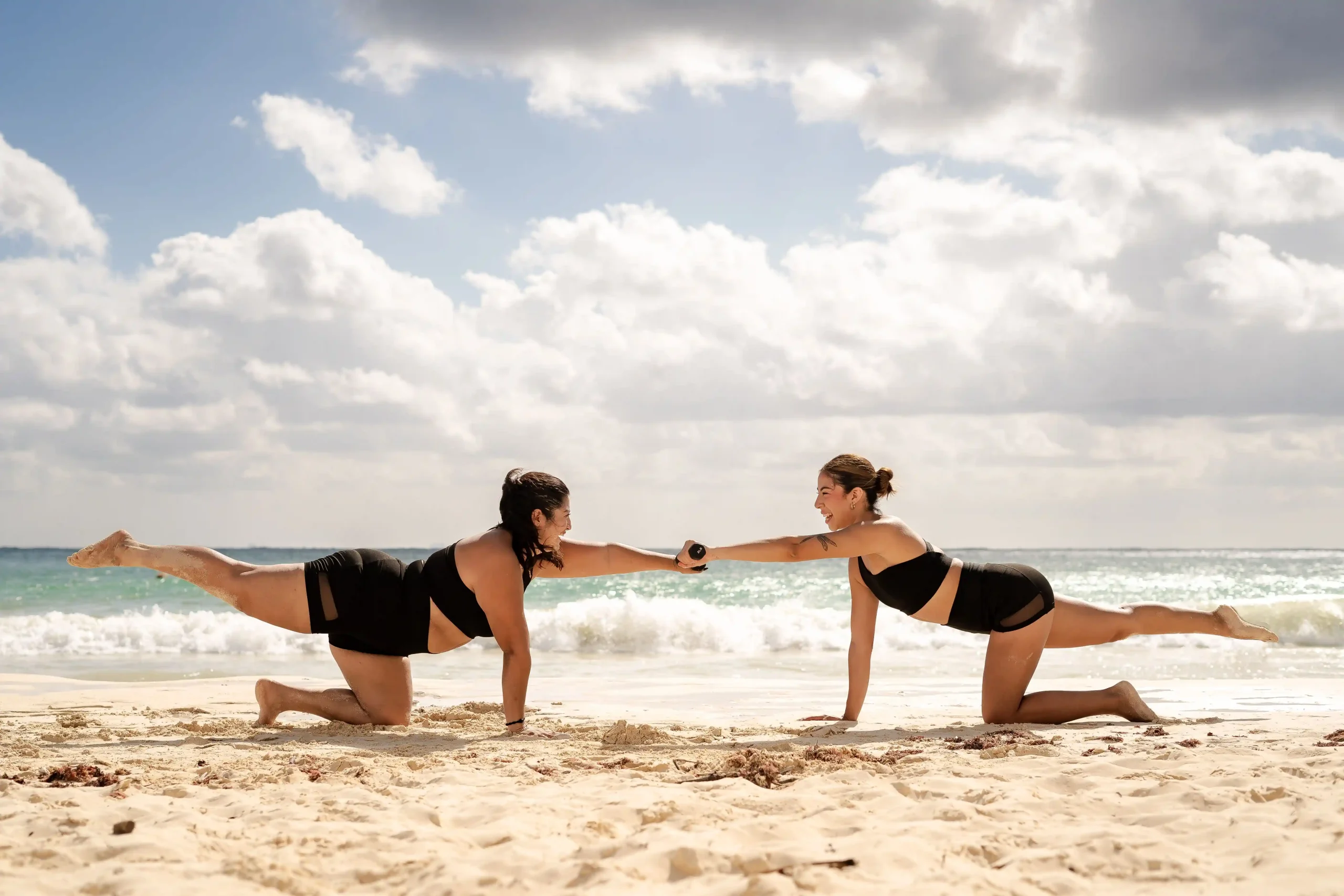
The bird dog is a bodyweight exercise performed on your hands and knees. From this position, you extend one arm forward while extending the opposite leg backward. You then return to the starting position and repeat the movement on the other side.
For example, you extend your right arm in front of you while reaching your left leg behind you. After returning both limbs to the floor, you extend your left arm and right leg. Alternating sides creates a controlled movement that challenges your ability to maintain balance while your body is in motion.
Unlike exercises that focus primarily on movement or lifting heavy weights, the bird dog emphasizes stability. Your arms and legs move, but your torso should remain relatively still. This requires your abdominal muscles, back muscles, and other stabilizing muscles to work together.
The exercise is popular in beginner fitness programs because it can be performed without weights or specialized equipment. It can also be modified to suit different ability levels. Beginners can start by lifting only one arm or one leg before progressing to the full movement.
Benefits of the Bird Dog Exercise for Beginners
Improves Core Stability
One of the main benefits of the bird dog exercise is its ability to challenge your core stability. Your core includes more than your abdominal muscles. It also involves muscles around your trunk and pelvis that help control your body’s position during movement.
When you extend your opposite arm and leg, your body naturally faces a challenge to remain balanced. Your core muscles help prevent excessive twisting, arching, or shifting. Practicing this movement teaches you to maintain control while your limbs move independently.
Better core stability can be useful during everyday activities such as walking, carrying groceries, climbing stairs, and picking up objects. It can also support proper body positioning during exercises such as squats, lunges, and dumbbell rows.
Develops Better Balance and Coordination
The bird dog exercise requires you to coordinate movements across opposite sides of your body. This may feel unfamiliar at first, particularly if you are new to exercise.
As you practice, you learn to move one arm and the opposite leg together without losing your balance. The challenge increases when you extend your limbs farther while maintaining a stable torso.
Good balance and coordination are useful for everyday movement and many types of physical activity. Although the bird dog alone will not develop every aspect of balance, it provides a practical starting point for learning controlled movement.
Strengthens Supporting Muscles
The bird dog engages several muscle groups, including the abdominal muscles, muscles around the spine, glutes, and shoulders. Your back and shoulder muscles help support your upper body, while your glutes contribute to controlling the movement of your extended leg.
The exercise does not replace a complete strength-training program, but it can complement exercises that target the legs, arms, chest, and back. It is particularly useful when you want to practice trunk stability without adding heavy resistance.
Encourages Controlled Movement
Many beginners focus on completing as many repetitions as possible. However, the bird dog encourages a different approach: slow, deliberate movement.
You must extend your arm and leg without allowing your hips to rotate excessively or your lower back to sag. This makes the exercise a useful opportunity to develop body awareness and learn how to maintain control under a small physical challenge.
These skills can carry over into other workouts, where proper positioning and controlled repetitions are important.
Requires Little or No Equipment
You do not need a gym membership, dumbbells, resistance bands, or a complicated setup to perform the bird dog. An exercise mat can make the hands-and-knees position more comfortable, especially on a hard floor.
Because it requires minimal space, the exercise can fit into a short morning workout, a beginner core routine, or a warm-up before a strength-training session. Its accessibility makes it easier to build consistency without worrying about equipment.
How to Do the Bird Dog Exercise Correctly
Learning proper form is more important than extending your limbs as far as possible. Start slowly and focus on keeping your body steady throughout each repetition.
Step 1: Start on Your Hands and Knees
Place your hands on the floor directly beneath your shoulders and your knees beneath your hips. Spread your fingers comfortably to create a stable base of support.
Keep your back in a natural, neutral position rather than rounding it excessively or allowing your stomach to drop toward the floor. Look down at the mat so your neck stays aligned with your spine.
Before moving, gently engage your abdominal muscles as though preparing your torso for a small push. Continue breathing normally rather than holding your breath.
Step 2: Extend One Arm Forward
Slowly lift your right hand and extend your right arm forward. Reach only as far as you can while keeping your shoulders and hips relatively level.
Avoid shifting all your weight to one side or twisting your torso to help the arm reach farther. Your supporting hand and both knees should help you maintain a stable position.
If lifting an arm feels difficult, practice raising it just a few inches from the floor before attempting a full extension.
Step 3: Extend the Opposite Leg Backward
Once you feel comfortable controlling your upper body, extend your left leg backward while keeping your right arm extended forward.
Reach your leg behind you without forcing it unusually high. Your goal is to create a long line through your arm, torso, and leg while keeping your hips facing the floor.
Avoid arching your lower back or rotating your pelvis. The movement should come from a controlled extension of your hip and shoulder, not from swinging your limbs.
Step 4: Hold the Position Briefly
Pause for approximately two to five seconds if you can maintain good form. Keep breathing throughout the hold and focus on preventing your torso from rocking from side to side.
You do not need to hold the position for a long time. A short, controlled hold is more useful than a longer hold that causes you to lose your alignment.
Step 5: Return to the Starting Position
Slowly lower your right arm and left leg back to the floor. Return to the original hands-and-knees position without dropping your limbs or shifting your weight abruptly.
Take a moment to reset your posture before switching sides. This brief pause can help you maintain control instead of rushing through the repetitions.
Step 6: Repeat on the Other Side
Extend your left arm forward and your right leg backward. Hold briefly, then return to the starting position.
Continue alternating sides for the desired number of repetitions. Throughout the exercise, prioritize a steady torso, comfortable breathing, and controlled movement.
How Many Bird Dog Repetitions Should Beginners Do?
If you are new to the bird dog exercise, begin with a manageable number of repetitions. A practical starting point is five repetitions per side, holding each extension for two to five seconds if comfortable.
You can complete one or two sets and observe how well you maintain your balance and positioning. If you can perform the movement without significant twisting, excessive back arching, or discomfort, gradually increase to eight or ten repetitions per side.
There is no need to increase the number of repetitions every workout. Your progression should depend on how comfortably you can perform the exercise with consistent technique.
For a beginner core workout, the bird dog can be combined with other suitable movements, such as glute bridges, modified planks, and bodyweight squats. Start with a small routine that fits your current fitness level rather than trying to complete a demanding workout immediately.
Remember that consistency matters more than doing a large number of repetitions in a single session. Practicing the exercise regularly with proper form can help you develop better movement control over time.
Common Bird Dog Exercise Mistakes to Avoid
Arching the Lower Back
One common mistake is lifting the extended leg too high and allowing the lower back to arch. This often happens when beginners focus on reaching upward instead of backward.
Keep your leg around hip height or lower, depending on your mobility and control. Your back should remain relatively stable throughout the movement.
Rotating the Hips
If your pelvis twists toward the side of your extended leg, you may be using momentum or reaching beyond your current ability. Reduce the range of motion and focus on keeping both sides of your pelvis facing the floor.
Practicing with a shorter extension can help you develop the control needed for the full movement.
Moving Too Quickly
Rushing through repetitions reduces the time you have to control your posture. It can also make it harder to notice when your balance shifts.
Move slowly when extending your limbs and when returning to the starting position. A controlled repetition is more valuable than several rushed repetitions.
Holding Your Breath
Beginners sometimes hold their breath when concentrating on balance. Instead, breathe naturally throughout the movement. Try exhaling gently as you extend your arm and leg, then inhaling as you return to the starting position.
Breathing comfortably can make it easier to stay relaxed and maintain control.
Lifting the Limbs Too High
The goal is not to see how high you can raise your arm or leg. Excessive lifting can encourage your hips to rotate or your back to arch.
Reach forward and backward with control. Stop when you can no longer maintain a stable torso.
Beginner Modifications and Ways to Progress
If the full bird dog feels challenging, start with a simpler variation. You can build your skills gradually without abandoning the exercise.
The first option is a single-arm reach. From the hands-and-knees position, lift one arm while keeping both knees on the floor. Lower the arm, reset, and repeat on the other side. This helps you learn how to stabilize your torso while moving one limb.
Another option is a single-leg extension. Keep both hands on the floor and extend one leg backward without lifting an arm. This variation lets you focus on hip movement and keeping your pelvis steady.
Once you feel comfortable with these versions, try the full bird dog with a shorter reach. You can gradually extend your arm and leg farther as your control improves.
For an additional challenge, increase the hold to five to eight seconds or slow down the return to the starting position. You can also add a brief pause between repetitions to ensure that each movement begins from a stable position.
Avoid adding ankle weights or other resistance before you can perform the basic exercise consistently. Good technique should come before making the movement harder.
How to Include the Bird Dog in Your Fitness Routine
The bird dog works well as part of a beginner workout because it is simple to learn and requires little setup. You can use it during a warm-up, include it in a core-focused session, or perform it alongside other bodyweight exercises.
For example, a beginner home workout might include bodyweight squats for the legs, wall push-ups for the upper body, glute bridges for the hips, and bird dogs for core stability and coordination. Adjust the number of repetitions and rest periods to match your ability.
You can practice the bird dog two or three times per week as part of your broader exercise routine, allowing yourself time to recover and adapt. You do not need to perform it every day to make progress.
If you spend much of your day sitting, the exercise can also provide an opportunity to move your body through a controlled sequence. However, it should not be viewed as a substitute for regular walking, general physical activity, or a balanced strength-training program.
As you become more comfortable, gradually build a routine that includes aerobic activity, resistance exercises, mobility work, and adequate recovery. A varied approach is more effective for overall fitness than relying on one exercise alone.
Nutrition and Recovery for Fitness Beginners
Exercise is only one part of building a sustainable fitness routine. Your body also needs adequate nutrition, hydration, and rest to support recovery and adaptation.
Aim to eat balanced meals that include protein sources, vegetables, fruits, whole grains, and other foods that meet your individual energy needs. Protein helps support muscle repair and maintenance, making it an important part of an overall fitness-focused eating pattern.
Depending on your dietary preferences, protein can come from foods such as beans, lentils, tofu, eggs, dairy products, fish, and lean meats. Plant-based protein products can also be a convenient option when you need something easy to prepare.
For those interested in a plant-based option, Skinii Vegan Protein Low Carb Vanilla is one product to explore. Check its ingredient list, nutritional information, serving size, and suitability for your dietary needs before deciding whether it fits your routine. A protein supplement is optional and does not replace a balanced diet.

Recovery matters, too. Give yourself enough sleep, drink water throughout the day, and avoid increasing workout intensity too quickly. If you experience sharp pain, stop the exercise rather than trying to push through it. If you have an existing back, shoulder, or wrist problem, or if getting onto the floor is difficult, seek advice from a qualified healthcare professional or exercise professional about suitable modifications.
Final Thoughts: Start Small and Build Your Strength
The bird dog exercise for beginners is a practical way to develop core stability, balance, coordination, and body control without needing gym equipment. Its simple setup makes it accessible, while the focus on controlled movement gives beginners an opportunity to develop useful exercise skills.
Start by learning the hands-and-knees position, extending one arm and the opposite leg, and returning to the starting position with control. Keep your back steady, breathe naturally, and choose a range of motion that allows you to maintain proper form.
As you become more confident, gradually increase your repetitions or holding time and combine the bird dog with other exercises that support your fitness goals. Remember that meaningful progress comes from consistency, patience, and a balanced approach to exercise, nutrition, and recovery.
You do not have to master every movement on your first day. Begin with a few controlled repetitions, focus on how your body moves, and build from there. A simple exercise performed well can be a valuable first step toward a stronger and more confident fitness routine.


Leave a Comment