
Dead Bug Exercise for Beginners: How This Simple Core Workout Builds Strength, Stability, and Better Coordination
Building a stronger core does not always require intense workouts, expensive gym equipment, or complicated exercise routines. Sometimes, one simple movement can make a meaningful difference in how your body moves and maintains stability. The dead bug exercise is a beginner-friendly core workout that helps strengthen the abdominal muscles while improving coordination, balance, and overall body control.
Despite its unusual name, the dead bug is a practical exercise that deserves a place in many fitness routines. It involves lying on your back while slowly moving opposite arms and legs, challenging your core to remain stable throughout the movement. Unlike traditional crunches and sit-ups, which involve repeatedly bending the spine, the dead bug focuses on keeping the torso controlled while the limbs move independently.
For beginners, this makes it a useful way to develop core strength without needing weights or complicated equipment. Whether you are starting a home workout routine, returning to exercise after a break, or looking for a gentle way to improve abdominal stability, learning how to perform the dead bug correctly can help you build a stronger foundation for other physical activities.
What Is the Dead Bug Exercise?
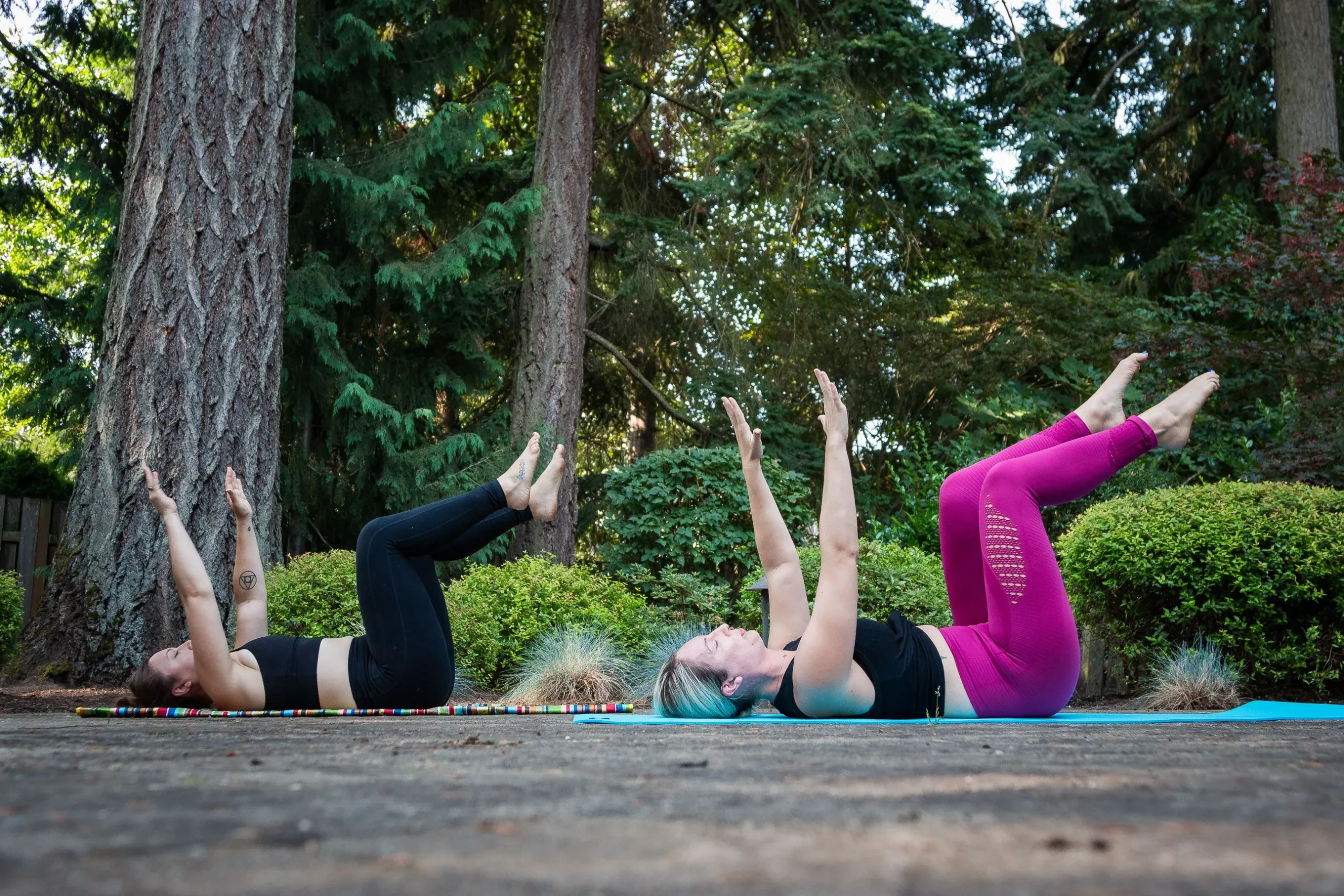
The dead bug is a bodyweight exercise designed to strengthen the core by teaching the abdominal muscles to stabilize the spine while the arms and legs move. It is usually performed on an exercise mat with the person lying face-up, knees bent at approximately 90 degrees, and arms extended toward the ceiling.
From this starting position, one arm slowly moves overhead while the opposite leg extends toward the floor. The person then returns to the starting position and repeats the movement on the other side. The challenge is maintaining a steady torso and preventing the lower back from arching as the limbs move.
The exercise is often included in beginner strength workouts, Pilates-inspired routines, and core stability programs because it emphasizes controlled movement rather than speed. It also requires very little space and no specialized equipment, making it convenient for people who prefer exercising at home.
According to the National Academy of Sports Medicine, the dead bug is a fundamental core stability exercise that develops coordinated movement patterns and helps the body maintain spinal control. This combination makes it useful for people who want to improve their overall movement quality.
What Muscles Does the Dead Bug Exercise Work?
Although the dead bug may look like a simple abdominal exercise, it involves several muscles that work together to keep the body stable. Understanding which muscles are involved can help beginners appreciate why this movement is more than just another workout for the stomach.
The rectus abdominis, commonly associated with the visible six-pack muscles, helps control the position of the torso. The transverse abdominis, a deeper abdominal muscle that wraps around the midsection, plays an important role in stabilizing the trunk. The internal and external obliques also contribute by helping control movement and prevent unnecessary rotation.
Other muscles, including the hip flexors and muscles around the pelvis, assist with positioning and controlling the legs. The back and surrounding stabilizing muscles also contribute to maintaining a steady body position.
The main goal is not to move the arms and legs as far as possible. Instead, the exercise teaches the abdominal muscles to maintain control while other parts of the body are moving.
Benefits of the Dead Bug Exercise for Beginners
1. Builds Core Strength
One of the biggest benefits of the dead bug exercise is its ability to develop core strength. Your core includes more than the muscles around your stomach. It also involves muscles around your back, pelvis, and hips that help stabilize your body during everyday activities.
A stronger core can make movements such as bending, reaching, lifting, and carrying objects easier to control. It also provides a stable foundation for other exercises, including squats, lunges, and strength training movements.
The dead bug challenges the abdominal muscles to remain engaged while the arms and legs move. This teaches the body to maintain stability instead of relying on momentum.
2. Improves Coordination
The dead bug requires you to move opposite limbs at the same time. For example, when your right arm moves overhead, your left leg extends forward. You then switch sides and repeat the pattern.
This alternating movement challenges your coordination because your arms and legs must work together while your torso remains steady.
Beginners may initially find the movement confusing, especially when trying to coordinate their breathing with each repetition. However, practicing slowly can help develop better body awareness and movement control.
3. Supports Better Postural Control
Your core muscles help maintain the position of your torso when standing, sitting, walking, and performing physical activities. When these muscles work effectively, your body can better control movement and maintain a stable position.
The dead bug encourages proper core engagement by teaching you to keep your lower back from excessively arching as your limbs move.
Although the exercise cannot guarantee improved posture on its own, it can be one useful part of a balanced fitness program that includes strength training, mobility exercises, and regular movement.
4. Strengthens Deep Abdominal Muscles
Traditional abdominal exercises often focus on repeated bending or lifting movements. The dead bug uses a different approach by challenging the abdominal muscles to resist unwanted movement.
This is particularly useful for training the transverse abdominis and other stabilizing muscles. These muscles help control the position of your spine and pelvis during movement.
Developing this type of core control can support other physical activities, from walking and jogging to lifting weights and participating in recreational sports.
5. Provides a Low-Impact Workout Option
The dead bug is performed while lying on your back, so it does not involve jumping, running, or repeated impact against the floor. This makes it an accessible option for people who prefer low-impact workouts.
It can also be adjusted to suit different fitness levels. Beginners can start by moving one leg at a time or performing simple heel taps before progressing to the traditional opposite-arm-and-leg movement.
However, low-impact does not automatically mean appropriate for everyone. People with back injuries, recent surgery, or other physical limitations should seek professional guidance before starting a new exercise program.
6. Helps Develop Body Awareness
Learning how to engage your core while moving your limbs requires attention and control. You need to notice whether your back is arching, whether your hips are shifting, and whether you are holding your breath.
Over time, practicing this movement can help you become more aware of how your body responds during exercise. This awareness can be useful when learning other strength movements that require stable positioning.
How to Do the Dead Bug Exercise Correctly
Proper technique is more important than completing a large number of repetitions. Beginners should focus on slow, controlled movements and a comfortable range of motion.
Step 1: Prepare Your Position
Start by lying on your back on an exercise mat. Bend your knees and place your feet flat on the floor. Extend your arms toward the ceiling, positioning your hands above your shoulders.
Relax your neck and shoulders. Keep your head resting comfortably on the mat.
Step 2: Engage Your Core
Gently tighten your abdominal muscles as if preparing your stomach for a light push. Avoid forcefully sucking in your stomach or holding your breath.
Maintain a comfortable, controlled position through your lower back. The goal is to prevent excessive arching as you begin moving your arms and legs.
Step 3: Lift Your Legs
Raise your legs until your hips and knees are bent approximately 90 degrees. Your knees should be positioned above your hips, with your lower legs approximately parallel to the floor.
If this position feels too difficult, keep your feet on the floor and begin with a simpler variation.
Step 4: Extend Opposite Limbs
Slowly lower your right arm behind your head while extending your left leg toward the floor. Move only as far as you can while maintaining control of your torso.
Your arm and leg do not need to touch the floor. Stop before your lower back begins to arch or your body starts shifting.
Step 5: Return to the Starting Position
Bring your right arm and left leg back to their original positions. Pause briefly and prepare to repeat the movement on the opposite side.
Step 6: Alternate Sides
Lower your left arm while extending your right leg. Return to the starting position and continue alternating sides.
Keep the movement slow and controlled. Breathe naturally throughout the exercise, exhaling as you extend your limbs and inhaling as you return.
How Many Dead Bug Repetitions Should Beginners Do?
Beginners do not need to perform dozens of repetitions to benefit from the dead bug. Starting with a manageable number allows you to concentrate on technique and gradually develop strength.
A practical starting routine is two sets of six to eight repetitions per side, with approximately 30 to 60 seconds of rest between sets. If you can maintain proper form without discomfort, you can gradually increase to two or three sets of eight to ten repetitions per side.
The American Medical Association has also highlighted a beginner-friendly approach of performing two to three sets of eight to ten repetitions per side, around three days per week.
Your ideal number of repetitions depends on your fitness level and ability to maintain good technique. If your lower back begins arching or you struggle to control the movement, reduce the repetitions or choose an easier variation.
Consistency is more valuable than rushing through a demanding workout. Give your muscles time to recover between training sessions.
Beginner-Friendly Dead Bug Variations
If the traditional dead bug feels difficult at first, there are several ways to make the movement more manageable.
Heel Taps
Heel taps are a useful starting point for people who are learning how to engage their core. Lie on your back with your knees raised and bent at approximately 90 degrees. Slowly lower one heel toward the floor, gently tapping it before returning to the starting position. Alternate legs while keeping your torso steady.
This variation allows you to focus on controlling your lower body before introducing opposite-arm movements.
Single-Leg Extensions
For this variation, begin with your back on the mat and both knees bent. Lift your legs into the tabletop position, then slowly extend one leg toward the floor while keeping the other knee bent. Return to the starting position and switch legs.
This version helps beginners practice controlling their pelvis and lower back during leg movement.
Arm-Only Dead Bug
If coordinating your arms and legs feels challenging, begin by keeping both feet on the floor. Slowly move one arm overhead while maintaining a stable torso. Return to the starting position and repeat with the opposite arm.
Once you become comfortable with the movement, you can progress to adding leg extensions.
Stability Ball Dead Bug
A stability ball can introduce an additional coordination challenge. Position a ball between your hands and knees while lying on your back. Apply gentle pressure to keep the ball in place as you extend one arm and the opposite leg.
This variation is more challenging than the basic movement, so beginners should master the simpler versions first.
Common Dead Bug Mistakes to Avoid
Even though the dead bug is relatively simple, poor technique can reduce its effectiveness and create unnecessary strain.
One common mistake is allowing the lower back to arch away from the floor. This often happens when someone extends the leg too far or loses abdominal control. The solution is to shorten the movement and work within a range that allows you to maintain a steady torso.
Moving too quickly is another problem. The dead bug is not designed to be a speed exercise. Rushing through repetitions can make it harder to coordinate your limbs and maintain proper positioning. Slow down and focus on each movement.
Some beginners also hold their breath while trying to keep their core tight. Remember to breathe naturally. Controlled breathing helps you maintain a more comfortable and consistent exercise rhythm.
Finally, avoid forcing your arms or legs to reach the floor. Flexibility and strength differ from person to person. You should only move as far as your current level of control allows.
How to Add the Dead Bug to Your Workout Routine
The dead bug can be included in a beginner full-body workout, a core-focused routine, or a warm-up before certain strength exercises.
For example, you can combine it with bodyweight squats, glute bridges, bird dogs, and modified push-ups. These movements target different muscle groups and provide a more balanced workout than focusing exclusively on abdominal exercises.
A simple beginner routine could include two sets of dead bugs, two sets of bodyweight squats, two sets of glute bridges, and two sets of bird dogs. Start with a comfortable number of repetitions and rest between exercises as needed.
You do not need to perform every exercise daily. Two or three strength-training sessions per week can be a reasonable starting point for many beginners, with recovery days between challenging sessions.
If your goal is to improve general fitness, combine core training with walking, cycling, or other activities you enjoy. A balanced routine should also include sufficient rest, nutritious meals, and consistent sleep.
Does the Dead Bug Exercise Help Flatten Your Stomach?
The dead bug can strengthen your abdominal muscles, but it does not directly burn belly fat or guarantee a flatter stomach.
Fat loss happens through broader changes in energy balance, physical activity, nutrition, and lifestyle habits. Performing one abdominal exercise cannot determine where your body loses fat.
However, developing stronger abdominal muscles can improve core function and contribute to a stronger midsection. When combined with full-body strength training and regular physical activity, the dead bug can become a useful part of a long-term fitness plan.
Nutrition also plays an important role in overall health and fitness. Some people explore products such as Skinii Berberine Herbal Complex as part of their wellness routines. However, supplements should not be treated as exercise replacements or guaranteed weight-loss solutions. Anyone considering berberine should review its ingredients, possible side effects, and medication interactions with a qualified healthcare professional before using it.

Safety Tips Before Starting the Dead Bug Exercise
Although the dead bug is generally considered a manageable bodyweight movement, beginners should pay attention to how their bodies respond.
Start with a comfortable range of motion and avoid forcing your back into an uncomfortable position. Use a supportive exercise mat and make sure you have enough space to extend your arms and legs.
If you experience sharp pain, stop the exercise rather than trying to push through it. People with existing back conditions, abdominal or pelvic concerns, recent surgery, or other health limitations should consult a healthcare professional or physical therapist before adding the exercise to their routine.
If you are unsure whether you are performing the movement correctly, consider asking a qualified fitness professional to demonstrate the technique.
Frequently Asked Questions About the Dead Bug Exercise
Is the dead bug exercise good for beginners?
Yes. The dead bug is a beginner-friendly core exercise because it can be performed without weights or gym equipment. It also has several modifications that allow people to start with simpler movements before progressing to the traditional version.
How often should beginners do dead bugs?
Many beginners can start with two or three sessions per week. Allow your body time to recover and adjust the number of repetitions according to your fitness level and exercise technique.
Does the dead bug exercise build abs?
The dead bug strengthens several abdominal muscles, including the rectus abdominis, transverse abdominis, and obliques. However, visible abdominal definition also depends on factors such as body composition, genetics, nutrition, and overall activity levels.
Can I do dead bugs every day?
It may be possible to perform gentle core exercises frequently, but beginners do not need to train the same muscles intensely every day. Starting with two or three sessions per week is a practical approach. Pay attention to recovery and avoid exercising through pain.
Do dead bugs help with lower back strength?
The dead bug primarily trains core stability and abdominal control. It also involves muscles that help stabilize the spine. It should not be considered a treatment for back pain, however. Anyone experiencing persistent or unexplained back discomfort should seek professional advice.
How long does it take to see results from dead bug exercises?
Results vary depending on your starting fitness level, consistency, exercise technique, and overall training routine. You may gradually notice better movement control and improved exercise endurance after practicing consistently for several weeks. Visible physical changes generally depend on broader fitness and nutrition habits.
Do I need equipment to perform the dead bug?
No. A comfortable exercise mat is helpful, but the dead bug can be performed without specialized equipment. As you become more experienced, you can explore variations involving a stability ball or light resistance.
Final Thoughts: Build a Stronger Core One Rep at a Time
The dead bug exercise proves that an effective core workout does not have to be complicated. With no expensive equipment, no jumping, and no demanding gym setup, this simple movement gives beginners an opportunity to develop abdominal strength, coordination, and better body control.
The most important part is learning the correct technique. Start with basic variations, move slowly, breathe naturally, and gradually increase the challenge as your strength improves. You do not need to rush through repetitions or compare your progress with someone else’s fitness level.
When combined with other strength exercises, regular physical activity, and balanced nutrition, the dead bug can become a valuable part of a sustainable fitness routine. A stronger core starts with consistent practice, and every controlled repetition is a step toward better movement and overall fitness.
Leave a Comment