
Beyond Rest Days: A Beginner’s Guide to Workout Recovery for Faster Results

You did it.You pushed through a tough new workout, and you feel a powerful sense of accomplishment. The next morning, however, you’re greeted with a less-than-pleasant surprise: a deep, aching soreness in muscles you didn’t even know you had. Walking down the stairs feels like a monumental task, and the thought of your next scheduled workout fills you with dread.
This experience, known as DOMS (Delayed Onset Muscle Soreness), is one of the biggest reasons beginners fall off the fitness wagon. We are taught to focus all our energy on the workout itself—the sweat, the effort, the intensity. But we often ignore the most critical phase of the entire fitness cycle: the recovery.
Here is the fundamental secret that separates sustainable progress from frustrating burnout: You don’t get stronger in the gym; you get stronger during your recovery. The workout is simply the stimulus that signals the need for change. The real magic—the muscle repair, the strength gains, and the performance improvements—happens in the hours and days that follow.
This guide will take you “beyond rest days” to demystify the science of workout recovery. We will explore actionable strategies that will help you manage soreness, prevent injuries, and accelerate your results, turning your effort into tangible, lasting change.
Why Recovery Isn’t a “Day Off”—It’s “Growth Day”
To truly value recovery, you must understand what happens to your body when you exercise. When you challenge your muscles through strength training or intense cardio, you create microscopic tears in the muscle fibers. This sounds bad, but it’s actually a positive and necessary signal for your body to adapt.
This breakdown process is the stimulus. The recovery process is the response. During recovery, your body goes into repair mode. It not only fixes these tiny tears but overcompensates, building the muscle fibers back slightly thicker and stronger than before to better handle that stress in the future. This is how you build lean muscle, increase your strength, and boost your metabolism [1].
Without adequate recovery, you are simply breaking your body down over and over again without giving it the chance to rebuild. This leads directly to overtraining, burnout, chronic fatigue, and a high risk of injury. It’s crucial to reframe your thinking: a rest day isn’t a lazy day or a setback. It is a productive and essential “growth day” where the positive adaptations from your hard work actually take place.
Decoding Your Body’s Signals: DOMS vs. Pain
For a beginner, it can be hard to tell the difference between normal post-workout soreness and the “bad” pain that signals an injury. Understanding the difference is key to long-term health.
- DOMS (Delayed Onset Muscle Soreness): This is the generalized, dull, aching feeling in your muscles that typically peaks 24 to 48 hours after a workout. It’s most common when you try a new exercise or significantly increase your intensity. The muscle might feel tender to the touch, and you’ll feel it most when you lengthen or use that muscle (like walking down stairs after a leg day). DOMS is a normal sign of adaptation.
- Injury Pain: This is different. Injury pain is often sharp, shooting, or stabbing. It’s usually localized to a specific spot, particularly in or around a joint (knee, shoulder, wrist). It might be present during the workout and persist or worsen with movement. If you feel this kind of pain, you must stop the activity and rest. Pushing through sharp pain is how acute injuries become chronic problems.
Your Recovery Toolkit: 5 Actionable Strategies for Beginners
Effective recovery is more than just sitting on the couch. It’s an active process involving several key components. Here is your toolkit.
- Sleep: The Undisputed Champion of Recovery If you could only do one thing to improve your recovery, it would be to get more high-quality sleep. Sleep is when your body’s repair processes are at their peak. During the deep stages of sleep, your body releases Human Growth Hormone (HGH), which is critical for repairing muscle tissue, strengthening bones, and burning fat. Consistently getting 7-9 hours of quality sleep per night is the most powerful recovery tool you have [2].
- Actionable Tip: Create a sleep sanctuary. Make your room as cool, dark, and quiet as possible. Avoid screens (phone, TV, laptop) for at least 30-60 minutes before bed, as the blue light can disrupt the production of melatonin, your sleep hormone.
- Nutrition & Hydration: The Raw Materials for Repair As we covered in our guide to nutrition, food is the fuel for repair. After a workout, your body is craving two things: protein to provide the amino acid building blocks for muscle repair, and carbohydrates to replenish the glycogen (energy) you just burned. Staying hydrated by drinking plenty of water is also crucial, as water is essential for every metabolic function and nutrient transfer in the body.
- Actionable Tip: Plan your post-workout meal. Aim to have a meal or snack containing both protein and carbs within 90 minutes of finishing your workout to give your muscles the raw materials they need when they are most receptive [3]. A great choice for this purpose is a protein shake, such as Skinii.com’s Whey Protein Low Carb Vanilla, or a meal blend like Skinii.com’s Skinii® Chia Pudding Breakfast Blend which provides an ideal mix of protein, carbs, and healthy fats [4].
- Active Recovery: The Gentle Healer On the day after a tough workout, it can be tempting to do nothing at all. However, light, gentle movement—known as active recovery—can often be more beneficial.
- What it is: Low-intensity, low-impact activities like a brisk walk, a leisurely bike ride, a gentle swim, or a restorative yoga flow.
- How it works: Active recovery increases blood circulation throughout the body. This helps deliver fresh, oxygenated, nutrient-rich blood to your sore muscles while simultaneously helping to clear out metabolic waste products that contribute to soreness.
- Actionable Tip: On your scheduled “rest days,” plan a 20-30 minute active recovery session. It will help reduce stiffness and can actually make you feel better than staying completely sedentary.
- Stretching & Foam Rolling: The Tension Tamers
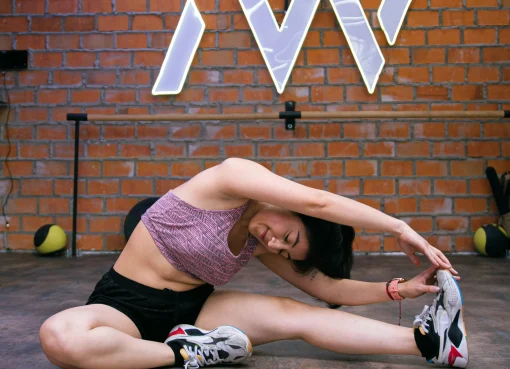
- Stretching: Holding gentle, static stretches for 20-30 seconds after your workout (when your muscles are warm) can help improve flexibility and reduce feelings of tightness.
- Foam Rolling (Self-Myofascial Release): This is essentially a form of self-massage. Using a foam roller on major muscle groups (like your quads, hamstrings, glutes, and back) can help relieve muscle tightness, break up knots (adhesions), and improve your range of motion. It can be uncomfortable at first, but it is highly effective for alleviating soreness.
- Actionable Tip: Invest in a basic foam roller and watch a few beginner-friendly tutorials online. Spend just 5-10 minutes foam rolling after your workouts or on your recovery days.
- Listen to Your Body: The Ultimate Strategy This is the most advanced, yet most important, strategy. There is no perfect, one-size-fits-all plan. Some days you will feel energetic and strong. Other days, due to poor sleep, stress, or other factors, you will feel run down. The key is to learn to “autoregulate.” If you had a heavy strength session planned but you feel utterly exhausted, it is smarter to swap that workout for an active recovery session than to push through and risk injury or burnout.
Conclusion: Treat Recovery Like You Treat Your Workout
Smart recovery is the secret ingredient that transforms your hard work into real, lasting results. It’s the bridge between the effort you put in and the strength you build. For a beginner, embracing recovery is the key to making fitness a sustainable, enjoyable, and lifelong pursuit rather than a short, painful cycle of burnout.
Start treating your recovery with the same seriousness and intention as you treat your workouts. Prioritize your sleep, fuel your body properly, embrace gentle movement on your off days, and learn to listen to your body’s signals. When you do, you’ll find that you not only feel better and get stronger faster, but you’ll also build a healthier, more resilient relationship with fitness.
Works Cited
1.Cleveland Clinic. (2022). 5 Health Benefits of Chia Seeds. https://health.clevelandclinic.org/5-health-benefits-of-chia-seeds/
2.American Council on Exercise. (n.d.). The Science of Muscle Repair. https://www.acefitness.org/resources/pros/expert-articles/6005/how-long-does-it-take-to-see-results-from-exercise/
3.National Center for Biotechnology Information. (2020). Sleep and Muscle Recovery. https://www.ncbi.nlm.nih.gov/pmc/articles/PMC7290076/
4.National Center for Biotechnology Information. (2019). Protein and Exercise: A Primer. https://www.ncbi.nlm.nih.gov/pmc/articles/PMC6827057/


Leave a Comment