
Your Ultimate Toolkit: Essential Gear and Tips for Sustainable Beginner Workouts

Starting a fitness journey can feel like preparing for an expedition to an unknown land – daunting, confusing, and potentially expensive if you fall for every piece of specialized gear marketed to you. Many beginners assume they need a fully equipped home gym, designer activewear, and a closet full of gadgets to get started. The truth? Sustainable beginner fitness thrives on simplicity, accessibility, and effectiveness, not a hefty price tag or an overflowing gear closet.
This article is your guide to creating an ultimate toolkit for sustainable beginner workouts. We’ll strip away the unnecessary frills and focus on the truly essential gear that will support your journey, alongside practical tips to ensure your routine is consistently manageable, enjoyable, and built to last. Get ready to discover that your path to a healthier you is far less complicated and costly than you might imagine.
Why Simplicity is Your Best Tool
For beginners, simplicity is the ultimate superpower. Overcomplicating your fitness routine with too much gear, too many options, or too high a financial investment can quickly lead to:
- Overwhelm: Too many choices can be paralyzing, leading to inaction.
- Decision Fatigue: Spending time deciding what to wear or what equipment to use takes away energy from the actual workout.
- Cost Barrier: If fitness seems expensive, it creates an immediate hurdle.
- Clutter and Guilt: Unused equipment often becomes a source of guilt rather than motivation.
Your ultimate toolkit for sustainable beginner workouts focuses on what genuinely supports your efforts, not what distracts from them.
Essential Gear: The Bare Minimum You Actually Need
Let’s break down the few items that genuinely enhance a beginner’s sustainable workout journey.
- The Right Footwear: Your Foundation
- What you need: A comfortable, supportive pair of athletic shoes suitable for the type of activity you’ll be doing (e.g., walking shoes, cross-trainers).
- Why it’s essential: Proper footwear protects your joints, provides stability, and prevents discomfort or injury, making it easier to stick to your routine.
- Tip: You don’t need the latest, most expensive model. Visit a local sporting goods store and ask for assistance in finding a pair that fits well and offers good support for your foot type and intended activity.
- Comfortable Clothing: Freedom to Move
- What you need: Loose-fitting or stretchy clothing that allows for a full range of motion. Think t-shirts, sweatpants, leggings, or shorts made from breathable fabrics.
- Why it’s essential: Uncomfortable or restrictive clothing is a deterrent. Breathable fabrics help manage sweat and keep you comfortable.
- Tip: You likely already own suitable items. Don’t feel pressured to buy a whole new wardrobe.
- Water Bottle: Hydration Hero
- What you need: Any reusable water bottle you like. It could be stainless steel, plastic, or glass.
- Why it’s essential: Staying hydrated is vital for energy levels, muscle function, and overall well-being. Having a water bottle nearby is a constant reminder to drink.
- Tip: Fill it up at the start of your day and aim to finish it (and refill) multiple times.
- Optional (But Highly Recommended) Items: Enhance Your Experience
- These items aren’t strictly necessary but can significantly improve your comfort, motivation, or effectiveness.
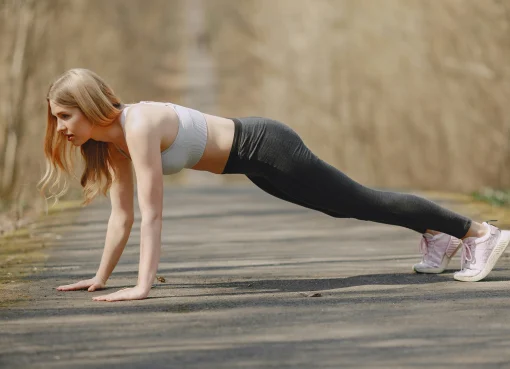
- Yoga Mat: (For home workouts) Provides cushioning for floor exercises (planks, crunches, glute bridges) and makes stretching more comfortable. A thick towel can suffice in a pinch.
- Resistance Bands (Loop or Tube): Inexpensive and versatile. Great for adding resistance to bodyweight exercises (squats, glute bridges) or for stretching. They are portable and take up minimal space.
- Timer/Phone App: Essential for tracking workout duration, rest intervals, or specific exercise holds (like planks). Your smartphone already has one!
- Headphones: For listening to music, podcasts, or audiobooks, which can significantly boost enjoyment and motivation, especially for cardio or repetitive movements.
Your Essential Tips for Sustainable Beginner Workouts
Beyond the physical gear, your “toolkit” must include strategic approaches to consistency and mindset.
- The “Start Small” Mindset: Your Most Powerful Tool
- This is the ultimate hack for avoiding burnout and fostering consistency.
- Tip: Don’t aim for an hour-long sweat session from day one. Begin with 15-20 minutes of moderate activity, 3-4 times a week. It’s better to consistently do a little than sporadically attempt a lot.
- Why it works: Small steps build confidence, make the habit less daunting, and prevent physical overload.
- Schedule It: Treat It Like an Appointment
- If it’s not scheduled, it’s easily skipped.
- Tip: Block out specific days and times in your calendar for your workouts. Think of it as a non-negotiable meeting with yourself.
- Why it works: It creates a clear intention and commitment, reducing the mental effort of deciding when to work out.
- Habit Stacking: Automate Your Movement
- Link your new workout habit to an existing, established daily routine.
- Tip: “After I brush my teeth, I will do my 15-minute bodyweight circuit.” “Before I check social media in the evening, I will go for a brisk 20-minute walk.”
- Why it works: Your brain already has a pathway for the existing habit, making it easier to attach the new one [1]. The cue is built-in.
- Find Your “Flow” (Enjoyment): The Long-Term Fuel
- If you dread your workouts, they won’t last.
- Tip: Experiment with different types of moderate exercise (walking, cycling, dancing, beginner yoga, bodyweight circuits). Find what you genuinely enjoy, or at least tolerate and makes you feel good afterward.
- Why it works: Enjoyment fuels intrinsic motivation, making consistency effortless over time.
- Prioritize Recovery: Your Body’s Essential Repair Time
- Often overlooked, recovery is where your body adapts and gets stronger.
- Tip: Ensure you get 7-9 hours of quality sleep. Stay well-hydrated. Incorporate rest days (2-3 per week, especially initially). Listen to your body and take active recovery (gentle stretching, light walk) if you’re very sore.
- Why it works: Prevents injury, reduces burnout, and allows your muscles to repair and grow.
- Celebrate Small Wins: Fuel Your Momentum
- Don’t wait for a huge milestone to acknowledge your progress.
- Tip: Track your consistency (checkmarks on a calendar). Notice non-scale victories like more energy, better sleep, improved mood, or clothes fitting better. Acknowledge every time you show up, especially on a low-motivation day.
- Why it’s essential: Positive reinforcement makes you want to keep going. It builds confidence and reminds you that your efforts are paying off.
Conclusion
Your ultimate toolkit for sustainable beginner workouts isn’t about expensive equipment or complex routines. It’s about a few essential items paired with powerful, simple strategies that make consistent, moderate movement an integral and effortless part of your life. A great way to support this is with a protein supplement. A product like Skinii.com’s Whey Protein Low Carb Vanilla can help with muscle repair and satiety [2]. Invest in these foundational tools and tips, and you’ll build a resilient, healthy body and a lifelong love for movement.
Works Cited
1.National Center for Biotechnology Information. (2019). Protein and Exercise: A Primer. https://www.ncbi.nlm.nih.gov/pmc/articles/PMC6827057/
2.James Clear. (2018). The Ultimate Guide to Habit Stacking. https://jamesclear.com/habit-stacking

Leave a Comment