
Say Goodbye to Workout Burnout: 10 Moderate Exercises for a Consistently Fit You

It’s a story every fitness hopeful knows all too well. Fired up with motivation, you dive into a new, intense workout routine. For one week, maybe two, you feel unstoppable—you’re sore, sweating, and riding a wave of accomplishment. Then week three hits. The excitement fades, replaced by fatigue. Suddenly, skipping a workout feels better than showing up. Before long, your sneakers are gathering dust.
This is workout burnout, and it’s the top reason most fitness resolutions fail. The “all or nothing” approach simply isn’t sustainable.
We champion a smarter path. Lasting change comes not from pushing your body to the extreme every day but from showing up consistently with effort that energizes you. The secret weapon? Moderate exercise. It’s time to trade exhaustion for exhilaration and build a body that’s fit not just for a season, but for life [1].
What Does “Moderate Exercise” Actually Mean?
Before diving into the best moves, let’s define “moderate.” Forget complicated heart rate calculations. The simplest measure is the talk test:
During moderate-intensity activity, you can hold a conversation but can’t sing. Your heart rate rises, your breathing deepens, but you remain controlled and capable. This is the magic zone for improving cardiovascular health, building strength, and burning calories—without the stress that leads to burnout [2].
Consistency in this zone offers long-term benefits for both body and mind, making it easier to maintain a sustainable routine.
10 Best Exercises for Sustainable Fitness
Here are 10 moderate exercises that form the foundation of a burnout-proof fitness plan, with instructions, benefits, and tips to build consistency.
1. Brisk Walking: The Foundation of Fitness
Why it works: Walking is low-impact, free, and accessible. Brisk walking builds cardiovascular fitness, improves mood, and supports weight management [3].
How to do it: Walk at a pace faster than casual strolling. Swing your arms, engage your core, and aim for 20-30 minutes, three to four times weekly.
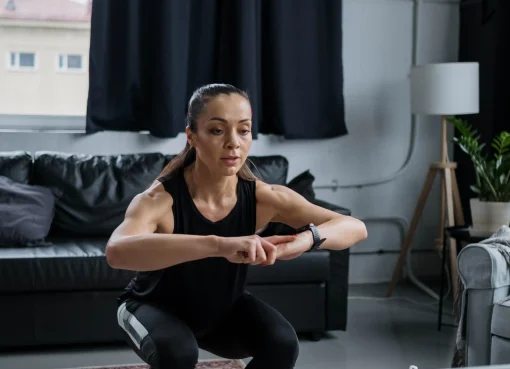
2. Bodyweight Squats: Build Your Lower Body
Why it works: Squats strengthen glutes, quads, and hamstrings, building functional lower-body strength.
How to do it: Stand shoulder-width apart, chest up, and core engaged. Lower into a chair-like squat, keeping knees behind toes. Press through heels to rise. Aim for 3 sets of 10-15 repetitions.
3. Cycling: Low-Impact Cardio King
Why it works: Cycling is gentle on joints while building leg strength and endurance.
How to do it: Adjust your bike so knees bend slightly at the pedal bottom. Maintain a steady, challenging pace. Use cycling as a 20-30 minute cardio session.
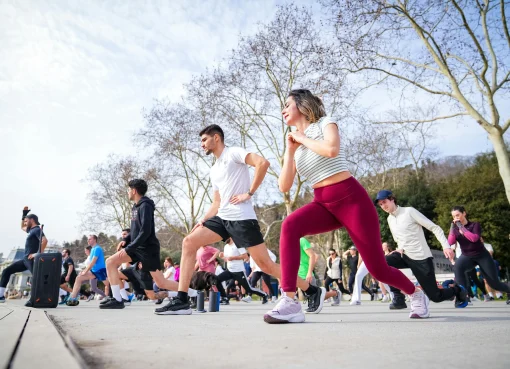
4. Lunges: Balance and Strength
Why it works: Lunges improve balance, coordination, and unilateral leg strength.
How to do it: Step forward, bending both knees to 90 degrees. Alternate legs, performing 3 sets of 10-12 reps per leg.
5. Elliptical Training: Full-Body, No-Impact Workout
Why it works: The elliptical simulates running without joint stress and engages the upper body through moving handles.
How to do it: Maintain a “talk test” pace for 20-30 minutes. Adjust resistance to elevate heart rate without overexertion.
6. Plank: Ultimate Core Stabilizer
Why it works: Strengthens abs, obliques, and lower back, protecting the spine and improving posture.
How to do it: Keep a straight line from head to heels, engaging core and glutes. Hold 20-60 seconds for 3 sets at the end of workouts.
7. Gentle Yoga Flow: Mind-Body Connection
Why it works: Yoga combines strength, flexibility, and mindfulness. Gentle flows raise heart rate while lowering stress and improving mobility [2].
How to do it: Follow beginner poses like Cat-Cow, Downward Dog, and Warrior I. Focus on breath synchronization. Perform 20 minutes for daily recovery.
8. Light Jogging: Level Up Your Cardio
Why it works: Jogging builds cardiovascular health and endurance once walking is comfortable.
How to do it: Keep a conversational pace. Use intervals: jog 1 minute, walk 2 minutes. Gradually increase jogging duration. Start with 1-2 weekly sessions.
9. Resistance Band Rows: Stronger Back
Why it works: Rows strengthen upper back muscles, counteracting hunching from daily life.
How to do it: Loop a band around your feet, pull toward torso, squeezing shoulder blades. Perform 3 sets of 12-15 reps.
10. Dancing: The Most Fun Workout
Why it works: Dancing is full-body cardio, improves coordination, and elevates mood without feeling like a chore [3].
How to do it: Move freely to high-energy music for 20-30 minutes or follow beginner dance classes online.
Sample Week of Moderate Fitness
- Monday: Brisk walk, 30 minutes
- Tuesday: Strength day – Squats, Lunges, Rows, Plank
- Wednesday: Cycling or elliptical, 20-30 minutes
- Thursday: Gentle yoga flow, 20 minutes
- Friday: Dance session or light jogging, 20-30 minutes
- Saturday: Long walk or hike
- Sunday: Rest
Why Moderate Exercise Wins
Moderate, enjoyable movement keeps burnout at bay and promotes consistency, long-term fitness, and better mental health [1]. Pairing workouts with balanced nutrition, including Vegan Protein Low Carb Chocolate or Skinii Chia Seeds, can support recovery, maintain energy, and enhance results.
Conclusion
Fitness is a lifelong journey, not a short-term punishment. It’s about celebrating what your body can do, not focusing on what it can’t. By embracing a sustainable approach to exercise, you can improve your strength, endurance, and balance while also boosting your mental resilience.
Instead of viewing exercise as a chore, think of it as an investment in yourself. Starting with small, consistent steps is key to avoiding burnout and building lasting habits. Whether it’s a daily walk, a short yoga session, or a quick bodyweight workout, every bit of movement counts.
The goal isn’t perfection; it’s progress. Celebrate the little victories—a longer walk, an extra repetition, or simply showing up on a day you didn’t feel like it. By building a positive relationship with your fitness routine, you’re laying the groundwork for a healthier, happier life, one that’s full of energy and vitality.
References
NIH.gov. (2022). Physical Activity and Mental Health. Retrieved from https://www.nih.gov/news-events/nih-research-matters/physical-activity-improves-mental-health
Mayo Clinic. (2023). Exercise and Stress: Get Moving to Manage Stress. Retrieved from https://www.mayoclinic.org/healthy-lifestyle/stress-management/in-depth/exercise-and-stress/art-20044469
Harvard Health Publishing. (2020). Exercising to Relax. Retrieved from https://www.health.harvard.edu/staying-healthy/exercising-to-relax
Verywell Health. (2022). Benefits of Moderate Exercise for Health and Fitness. Retrieved from https://www.verywellhealth.com/benefits-of-moderate-exercise-5199675

Leave a Comment