
Wellness as a Way of Being: Cultivating Lasting Balance in Mind, Body, and Spirit

Wellness is often mistaken for a fixed goal — a finish line we cross once we’ve perfected our diet, exercise routine, or mindset. But in reality, true wellness is not an endpoint. It is an ever-evolving relationship with ourselves and the world around us. At its core, wellness is about living in alignment: nurturing our physical health, tending to our emotional landscape, and staying connected to what gives life deeper meaning.
In a world that rewards productivity and speed, embracing wellness as a way of being rather than a checklist can feel revolutionary. This exploration invites you to slow down, reflect, and discover how to cultivate holistic wellness — an integrated practice that harmonizes your body, mind, and spirit, so you can navigate life with resilience, vitality, and authentic joy.
The Essence of Holistic Wellness
Holistic wellness sees us as whole beings rather than a collection of separate parts. It asks us to care not just for our physical health, but also for our thoughts, emotions, relationships, and sense of purpose.
Think of wellness as a tree:
- Roots: Your core values, beliefs, and spiritual practices that ground you.
- Trunk: Your daily habits and routines that provide stability.
- Branches: Your emotional well-being, creativity, and self-expression.
- Leaves and blossoms: The outward signs of flourishing — energy, joy, and presence.
When we tend to every part of this tree, we create conditions for sustainable health, rather than fleeting improvements.
Foundations of Physical Wellness
The physical body is where we experience energy, movement, and vitality. Caring for it isn’t about perfection, but about fostering a nurturing relationship.
Movement as Nourishment, Not Punishment
Exercise often carries baggage: we view it as a duty to burn calories or change appearance. Shifting to see movement as nourishment transforms it into an act of kindness.
- Intuitive movement: Instead of rigid plans, listen to what your body craves — maybe a brisk walk, gentle stretching, or dancing in your living room.
- Variety: Incorporate strength training, cardiovascular exercise, and mobility work. This keeps the body resilient and prevents burnout.
- Joyful connection: Outdoor activities, group classes, or playful sports can bring social and emotional benefits alongside physical ones.
Eating for Vitality and Pleasure
Nutrition is often reduced to rules and restrictions. Yet food also carries culture, memory, and joy.
- Focus on whole foods: Fresh fruits and vegetables, whole grains, legumes, nuts, and quality proteins provide essential nutrients.
- Mindful eating: Slow down to savor tastes and notice hunger and fullness cues.
- Balance, not perfection: Occasional indulgences aren’t failures; they are part of a sustainable approach.
By shifting from control to curiosity, eating becomes an act of connection — to yourself, to others, and to nature.
Rest and Renewal
Quality sleep and rest restore the body and mind.
- Create rituals: Dim lights, read, stretch, or practice gentle breathing before bed.
- Consistency matters: Aim to sleep and wake at roughly the same time each day.
- Unplug: Reducing screen time before bed supports natural circadian rhythms.
Rest isn’t earned only after exhaustion; it is a basic need and a right.
Emotional Wellness: Befriending Your Inner World
Our emotional landscape shapes how we experience life. Emotional wellness doesn’t mean always feeling happy, but rather having tools to process and express feelings authentically.
Self-Compassion Over Self-Criticism
Many of us speak harshly to ourselves in moments of struggle. Yet research shows self-compassion — treating ourselves with kindness and understanding — builds resilience and mental health.
- Notice when you’re self-critical.
- Ask: “What would I say to a friend in this situation?”
- Offer yourself the same empathy.
Processing Emotions
Suppressing feelings can lead to physical tension and emotional distress.
- Journaling: Write freely to explore thoughts and feelings without judgment.
- Creative expression: Art, music, or movement can help emotions flow.
- Mindful awareness: Allow emotions to arise and pass like waves, rather than pushing them away.
Connection and Vulnerability
Meaningful relationships protect mental and emotional health.
- Share openly with trusted friends or family.
- Practice active listening: be present, without rushing to fix.
- Seek professional support if needed — therapy can be a powerful ally in self-discovery.
Cultivating a Resilient Mind
Mental wellness is about clarity, focus, and adaptability. It is not the absence of stress, but the capacity to meet life’s challenges with skill and presence.
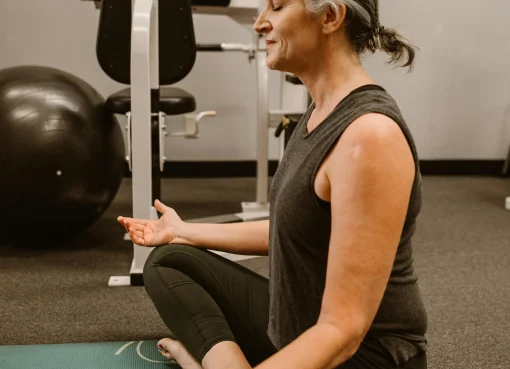
Mindfulness and Meditation
These practices train the mind to stay present rather than caught in regrets of the past or fears of the future.
- Even 5–10 minutes daily can reduce stress and increase mental clarity.
- Focus on your breath, bodily sensations, or sounds around you.
Cognitive Flexibility
Life rarely goes as planned. Building flexibility helps you adapt.
- Notice rigid thoughts like “I must always…” or “Things should be…”
- Challenge them gently and explore alternative perspectives.
Lifelong Learning
Engaging your mind keeps it sharp and curious.
- Read diverse books.
- Learn a new skill or language.
- Explore creative hobbies.
Growth fosters vitality at every age.
Spiritual Wellness: Living with Purpose and Meaning
Spirituality isn’t limited to religion; it’s about connection to something larger — nature, community, or a sense of purpose.
Discover What Inspires You
- Reflect on moments when you felt deeply moved or at peace.
- Identify values that guide your choices.
Practices to Cultivate Connection
- Gratitude journaling: Writing three things you’re grateful for daily.
- Nature walks: Spending time outdoors can awaken awe and humility.
- Acts of service: Helping others often brings a sense of purpose.
Embracing Uncertainty
Spiritual wellness includes making peace with the unknown — accepting that not everything is in our control and trusting life’s unfolding.
Daily Integration: Bringing Wellness to Life
Wellness isn’t separate from daily living; it’s woven into every choice and moment.
Morning Rituals
Start the day intentionally:
- Stretch, breathe, or meditate.
- Set an intention, like “May I meet challenges with patience today.”
Mindful Breaks
Short pauses can reset your nervous system:
- Step outside.
- Take a few deep breaths.
- Notice sights and sounds around you.
Evening Reflection
Before sleep, review your day:
- Celebrate small wins.
- Gently acknowledge moments of difficulty.
- Release lingering tension with breathwork or stretching.
Overcoming Barriers and Perfectionism
Many people abandon wellness practices when they can’t do them “perfectly.” Remember:
- Consistency matters more than intensity.
- Life will disrupt routines; flexibility is part of the process.
- Small steps compound over time.
The Ripple Effect of Personal Wellness
Caring for your own well-being extends beyond you:
- When you’re rested and centered, you respond to others with patience.
- Your energy supports your family, friends, and community.
- Living authentically inspires others to do the same.
Choosing Wellness, Every Day
Wellness isn’t a single achievement to display; it’s a living practice. It grows through daily choices: nourishing food, mindful movement, honest self-reflection, and meaningful connections.
Rather than chasing a perfect state of health, you can learn to honor your body, listen to your heart, and nurture your spirit. Some days will feel balanced, others won’t — and that’s part of the human experience.
The invitation is simple yet profound: to live each day as an act of care for yourself and those around you. In doing so, wellness becomes not just something you have — but something you are.


Leave a Comment