
Your First Steps to Sustainable Strength: How to Start and Stick with Exercise

Have you ever started a new exercise routine with a burst of energy, only to see your motivation fade after a few weeks? You’re not alone. The journey to a healthier lifestyle is often bumpy, filled with good intentions that get derailed by life’s demands, lack of progress, or simply feeling overwhelmed [1].
This feeling of defeat often comes from a misguided approach. Many people believe that to get results, they need to push themselves to exhaustion daily. This “all-or-nothing” mindset is a surefire path to burnout. The real secret to a lifelong healthy lifestyle isn’t about intensity; it’s about building sustainable strength through consistent, moderate effort.
This article will guide you through practical steps to start a beginner workout plan that’s enjoyable, effective, and sustainable, while highlighting simple ways to support your body with proper nutrition and recovery.
Phase 1: The Mental Shift—Building the Right Foundation
Before stepping foot in a gym or putting on running shoes, you need to change the way you think about exercise. This mental shift is the most crucial factor in making your routine stick.
Re-defining Strength
True sustainable strength isn’t just lifting heavy weights or running fast. It’s having the energy to get through your day without fatigue—carrying groceries, playing with your kids, or feeling confident in your body [2]. True strength is functional: it allows you to engage fully in life while feeling healthy and capable.
From “All-or-Nothing” to “Something is Better Than Nothing”
Celebrate small victories. A 15-minute walk, ten minutes of stretching, or taking the stairs instead of the elevator all count. This mindset removes the pressure of perfection and makes exercise easier to stick with [3]. Over time, small, consistent efforts compound into meaningful progress, and you build the confidence to challenge yourself further.
Phase 2: Taking Your First Steps (Literally)
Start small and build momentum by choosing activities you enjoy. Options include:
- Hiking, cycling, rollerblading, or exploring a new park
- Yoga, Pilates, or dance classes for social engagement
- Home workouts using beginner-friendly online videos
- Recreational sports with friends or family
Enjoying your movement increases the likelihood of long-term success, because consistency becomes natural rather than forced. Even short bouts of activity, like brisk walking during a lunch break, contribute significantly to overall health [1].
Phase 3: Building a Beginner Workout Plan
Balance and recovery are key. Here’s a sample weekly plan:
- Monday: 30-minute brisk walk or light jog
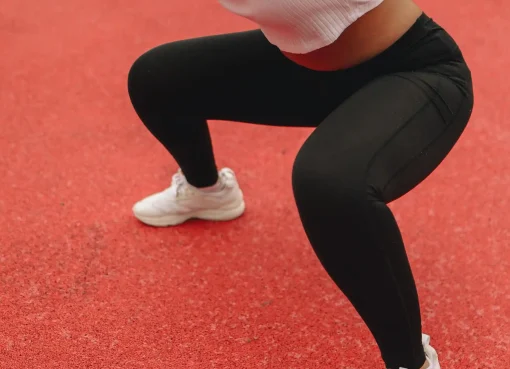
- Tuesday: 20-minute bodyweight strength workout (squats, push-ups on knees, planks)
- Wednesday: Rest or gentle stretching
- Thursday: 30-minute cycling or swimming
- Friday: 20-minute bodyweight strength workout
- Weekend: Light activity or rest
Warm-ups and Cool-downs
Don’t skip these! A warm-up prepares your muscles and mind for the work ahead, while a cool-down helps your body return to a normal state.
- Warm-up (5 minutes): Light cardio like jogging in place, arm circles, and leg swings
- Cool-down (5 minutes): Gentle static stretches to improve flexibility and reduce soreness
Supporting Recovery with Nutrition
Nutrition plays a pivotal role in exercise recovery. Post-workout protein is essential for repairing muscles, supporting energy, and preventing fatigue. Consider incorporating Skinii Vegan Protein Low Carb Vanilla into your post-workout routine. It provides high-quality plant-based protein without excess carbs, helping build strength and maintain energy. Pairing your workouts with proper hydration, whole foods, and protein supplementation ensures your body adapts optimally to your new fitness routine [2].
Phase 4: Making Exercise a Habit That Sticks
Habit Stacking and Scheduling
Integrate exercise into your daily life using “habit stacking”—attaching a new habit to an existing one. For example, after your morning coffee, commit to a 20-minute walk or strength session. Scheduling workouts like appointments increases accountability and reduces the likelihood of skipping sessions [3].
Track Your Progress Beyond the Scale
Relying on the scale alone can be misleading due to water retention and muscle gain. Track non-scale victories instead:
- Increased energy and stamina
- Improved sleep and reduced stress
- Enhanced mood and mental clarity
- Physical improvements like more push-ups, longer walks, or looser-fitting clothes
Journaling these changes reinforces motivation and highlights the long-term benefits of your consistent effort.
Gentle Persistence
You will miss workouts; that’s natural. What matters is returning without guilt. Normalize slip-ups, acknowledge why they happened, and resume your next session. This approach prevents burnout and fosters a positive, sustainable relationship with fitness [1].
The Role of Moderate Workouts
Moderate-intensity activities elevate your heart rate without leaving you gasping for air. These workouts are easier to sustain and offer long-term health benefits:
- Brisk Walking: Talk but not sing
- Cycling: Leisurely pace outdoors or on a stationary bike
- Swimming: Gentle laps at a comfortable pace
- Dancing: Fun, rhythmic movement
- Water Aerobics: Low-impact, joint-friendly exercise
Moderate workouts not only improve cardiovascular health, but also increase energy, support mental well-being, and encourage consistency. Over time, these activities strengthen the foundation of your fitness routine, making advanced exercises less intimidating [2].
Additional Support for Fitness
Supplements can complement your efforts by supporting energy and recovery. For sustained endurance and cellular energy, consider Skinii NAD Injection. This helps maximize your performance and recovery during moderate workouts, ensuring your body is prepared for consistent, long-term exercise [3].
Your Journey, Your Rules
Starting a new exercise routine doesn’t have to be monumental. Small, manageable, enjoyable steps every day build sustainable strength. Shift your mindset, set achievable goals, find activities you love, and practice gentle persistence.
Take one small action today: a five-minute walk, a stretch, or your first strength session. It doesn’t need to be perfect or lengthy—what matters is that you start. Every small step builds momentum and confidence, helping you gradually create a sustainable routine. Consistency is more important than intensity at the beginning, and these seemingly minor efforts accumulate into real, lasting progress over time.
Your fitness journey is uniquely yours. Avoid comparing yourself to others or following routines that feel forced or uncomfortable. Instead, focus on what works for your body, lifestyle, and preferences. Whether that means exercising at home, walking outdoors, practicing yoga, or lifting light weights, the key is finding activities that you enjoy and can maintain long-term. By designing a personalized plan that fits your life, exercise becomes less of a chore and more of a natural, rewarding part of your day.
Supporting your journey with proper nutrition, rest, and recovery ensures your body is ready to perform and adapt. Eating balanced meals, staying hydrated, and giving yourself time to recover after workouts are just as important as the exercise itself. Over time, this holistic approach allows your body to build strength, increase energy, and improve overall well-being.
Remember, progress doesn’t happen overnight. The most successful fitness routines are built on patience, self-compassion, and persistence. Missing a day or two isn’t failure—it’s an opportunity to learn and adjust. By embracing small, consistent actions and focusing on long-term habits rather than quick fixes, you create a lifestyle that promotes lasting health, resilience, and confidence.
Start today with a simple step. Each movement, no matter how small, brings you closer to your strongest, healthiest self.
Works Cited
- Mayo Clinic Staff. (2023). Exercise: How to Get Started Safely. https://www.mayoclinic.org/healthy-lifestyle/fitness/in-depth/exercise/art-20045506
- American Heart Association. (2022). Recommendations for Physical Activity in Adults. https://www.heart.org/en/healthy-living/fitness/fitness-basics/aha-recs-for-physical-activity-in-adults
- Cleveland Clinic. (2023). Building a Beginner Exercise Routine. https://my.clevelandclinic.org/health/articles/22802-exercise-for-beginners


Leave a Comment