
Fitness for Beginners: A Complete Guide to Starting Your Fitness Journey

Starting a fitness journey can feel overwhelming, especially if you are new to exercise and healthy living. With countless workout routines, diet plans, and fitness trends, beginners often struggle with where to start. However, fitness doesn’t have to be complicated. By understanding the basics and setting achievable goals, anyone can build a sustainable routine that promotes health, strength, and overall well-being. This guide will walk you through everything you need to know about fitness for beginners, including planning, exercises, nutrition, and tips for staying motivated.
Why Fitness is Important for Beginners
Engaging in regular physical activity provides numerous physical, mental, and emotional benefits. For beginners, the primary reasons to start a fitness journey include:
- Improved Health: Regular exercise strengthens the heart, lungs, and muscles while reducing the risk of chronic diseases such as diabetes, heart disease, and obesity.
- Weight Management: Exercise helps burn calories and promotes a healthy metabolism, assisting with weight loss or maintenance.
- Enhanced Mood: Physical activity stimulates the production of endorphins, which reduce stress, anxiety, and depression.
- Increased Energy Levels: While it may seem counterintuitive, regular exercise boosts overall energy and reduces fatigue.
- Better Sleep: Fitness routines can improve sleep quality and help regulate sleep patterns.
Understanding the benefits of exercise is a key motivator for beginners. When you know why fitness matters, it becomes easier to stay consistent and committed.
Setting Realistic Fitness Goals
Before starting any fitness program, it’s important to set realistic and achievable goals. Goal setting provides direction and allows you to track your progress. Here’s how beginners can set effective fitness goals:
- Start Small: Avoid overwhelming yourself with intense routines. Begin with manageable goals, such as exercising 20-30 minutes a day, three times a week.
- Focus on Consistency: Consistency is more important than intensity. Establish a routine that fits your schedule and lifestyle.
- Set SMART Goals: SMART goals are Specific, Measurable, Achievable, Relevant, and Time-bound. For example, “I will walk 30 minutes five times a week for one month” is a SMART goal.
- Track Your Progress: Use fitness apps, journals, or wearable devices to monitor your workouts, weight, or body measurements. Tracking progress helps maintain motivation and identifies areas for improvement.
Choosing the Right Exercise for Beginners
Exercise selection is crucial for beginners. A balanced fitness routine includes a combination of cardiovascular exercise, strength training, and flexibility exercises.
1. Cardiovascular Exercise
Cardio improves heart health, burns calories, and boosts endurance. Beginners should start with low-impact exercises to reduce the risk of injury. Examples include:
- Walking
- Cycling
- Swimming
- Elliptical training
- Light jogging
Start with 15-30 minutes of moderate-intensity cardio, gradually increasing duration and intensity as your fitness improves.
2. Strength Training
Strength training builds muscle, strengthens bones, and enhances metabolism. Beginners can start with bodyweight exercises before progressing to weights or resistance bands. Recommended beginner exercises include:
- Squats
- Lunges
- Push-ups (modified if necessary)
- Plank
- Glute bridges
Aim for 2-3 strength training sessions per week, allowing at least one day of rest between sessions for muscle recovery.
3. Flexibility and Mobility
Flexibility exercises improve range of motion, reduce muscle soreness, and prevent injury. Incorporate stretching and mobility work into your routine:
- Static stretches (hamstring stretch, shoulder stretch)
- Dynamic stretches (leg swings, arm circles)
- Yoga or Pilates sessions
Even 5-10 minutes of stretching before or after workouts can make a significant difference in overall flexibility.
Creating a Beginner-Friendly Fitness Plan
A structured fitness plan helps beginners stay organized and focused. Here’s a sample weekly plan for beginners:
- Monday: 30 minutes of walking + 15 minutes of stretching
- Tuesday: Bodyweight strength training (squats, push-ups, planks)
- Wednesday: 30 minutes of cycling or light jogging
- Thursday: Rest or gentle yoga
- Friday: Strength training (lunges, glute bridges, dumbbell exercises)
- Saturday: 20-30 minutes of cardio + stretching
- Sunday: Rest or light activity, such as walking
Adjust the plan based on your fitness level and schedule. The key is to stay consistent and gradually increase intensity over time.
Nutrition for Beginners
Exercise alone is not enough for optimal fitness. Nutrition plays a critical role in supporting your workouts, improving energy levels, and achieving your goals. Beginners should focus on:
- Balanced Diet: Include a mix of lean proteins, whole grains, fruits, vegetables, and healthy fats.
- Hydration: Drink at least 8-10 glasses of water per day, more if you are exercising regularly.
- Portion Control: Avoid overeating by paying attention to portion sizes and mindful eating habits.
- Pre-Workout Fuel: Eat light, easily digestible meals 30-60 minutes before exercise, such as a banana with peanut butter or yogurt with fruit.
- Post-Workout Recovery: Consume protein-rich foods and complex carbohydrates to repair muscles and replenish energy.
Avoid fad diets or extreme restrictions. Sustainable nutrition habits are key to long-term fitness success.
Tips for Staying Motivated
Many beginners struggle with motivation, especially during the first few weeks. Here are strategies to maintain enthusiasm and commitment:
- Find a Workout Buddy: Exercising with a friend increases accountability and makes workouts more enjoyable.
- Mix It Up: Avoid boredom by trying different activities, classes, or workout routines.
- Celebrate Small Wins: Recognize and reward yourself for achieving milestones, such as completing a week of workouts or improving your endurance.
- Listen to Your Body: Rest when needed, and avoid pushing through pain or extreme fatigue. Preventing injury is essential for staying consistent.
- Track Progress: Document improvements in strength, endurance, or body measurements. Visible progress reinforces motivation.
Common Beginner Mistakes to Avoid
Even with the best intentions, beginners often make mistakes that can hinder progress or lead to injury. Common pitfalls include:
- Skipping Warm-Ups and Cool-Downs: Always warm up to prepare your muscles and cool down to aid recovery.
- Overtraining: Exercising too intensely or too frequently can lead to burnout or injury. Start slowly and increase gradually.
- Ignoring Form: Proper exercise form prevents injuries and ensures effectiveness. Consider working with a trainer or following guided tutorials.
- Neglecting Recovery: Muscles need rest to grow and repair. Incorporate rest days into your schedule.
- Comparing Yourself to Others: Focus on your progress, not on others’ achievements. Everyone’s fitness journey is unique.
Fitness Gear and Equipment for Beginners
You don’t need a full gym membership to start your fitness journey. Essential beginner-friendly equipment includes:
- Yoga mat for stretching and floor exercises
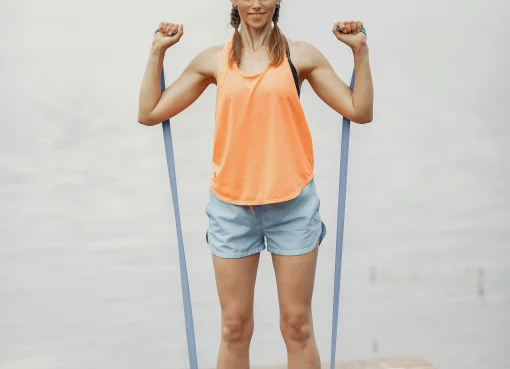
- Resistance bands for strength training
- Dumbbells or kettlebells (optional)
- Comfortable workout clothes and supportive shoes
Even without equipment, bodyweight exercises and outdoor activities like walking or cycling can provide excellent fitness benefits.
Mental Health Benefits of Fitness
Fitness isn’t just about physical appearance; it also has profound mental health benefits. Regular exercise can:
- Reduce stress and anxiety
- Improve mood and self-esteem
- Enhance cognitive function and focus
- Promote better sleep quality
For beginners, focusing on the mental benefits of exercise can provide additional motivation to stick with a routine, making fitness a holistic lifestyle choice rather than just a physical goal.
Conclusion
Starting a fitness journey as a beginner may feel challenging, but with the right approach, it can be rewarding, enjoyable, and transformative. By understanding the importance of fitness, setting realistic goals, creating a balanced exercise routine, and supporting your efforts with proper nutrition, you can establish a sustainable and healthy lifestyle. Remember, consistency, patience, and self-compassion are key. Fitness is not about perfection—it’s about progress, one step at a time.
Whether your goal is to lose weight, build strength, or simply improve overall health, embracing a beginner-friendly fitness plan is the first step toward a healthier, happier you. Start today, stay consistent, and watch your body and mind transform over time.


Leave a Comment