
The Silent Revolution: How Gen Z’s “Quiet Consumerism” Is Reshaping the Fashion World
Current events are defined not just by politics and global conflicts, but by the relentless economic pressures that shape our daily lives—especially for young adults. Across the globe, Gen Z is graduating into an era defined by record-high housing costs, debt, and sustained inflation.
This economic reality is not just affecting bank accounts; it is quietly fueling a radical cultural shift in how this generation approaches style, identity, and consumption. Say goodbye to hyper-consumerism; we are entering the age of Quiet Consumerism.
Trading Down to Step Up: The Price of Relevance
For years, Gen Z was characterized by its immense spending power, set to reach $12 trillion globally by 2030, according to projections [Source: Influencer Marketing Hub]. Yet, beneath this headline potential lies profound financial anxiety.
The rising cost of living is the top barrier to financial success for over half (51%) of Gen Z consumers surveyed, according to a 2024 Bank of America study. While they are still buying, their approach is surgical and highly intentional:
- Selectivity is Key: Research by PwC found that Gen Z cut overall spending by 13% earlier this year in discretionary categories like apparel and accessories. They are not embracing austerity across the board, but rather, they are “reallocating,” often trading down on everyday expenses to afford meaningful indulgences, or “micro luxuries,” that provide social currency [Source: PwC].
- The Debt Dilemma: In a concerning trend highlighted by the Bank of America Institute, Gen Z’s spending-to-savings ratio was found to be nearly 2:1, meaning they were spending close to twice the amount they held in savings. This suggests that the pressure to maintain a desirable lifestyle while battling high costs is pushing them to the financial brink [Source: Bank of America Institute].
The Style Pivot: Why Secondhand Is the New Designer
This economic squeeze is giving birth to new style habits that are driven by affordability, but framed by authenticity and sustainability.
For young consumers, affordability is now the most important factor in clothing purchases, more than doubling the priority placed on trendiness or long-lasting design, according to market intelligence firm Mintel [Source: Mintel]. This has led to a major shift in where Gen Z shops:
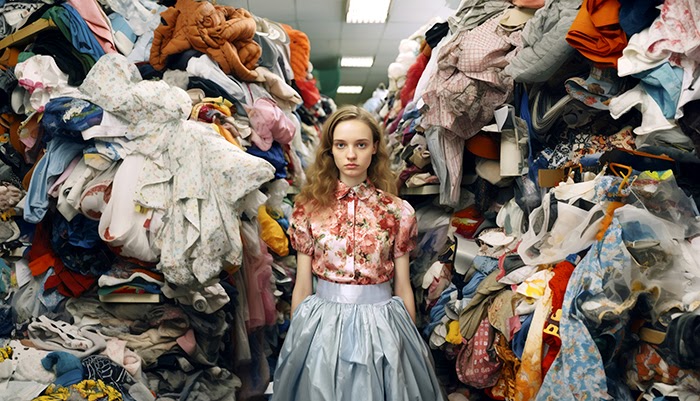
- Re-commerce Dominance: The pre-owned market is exploding. Driven largely by Gen Z, the second-hand clothing market is expected to be worth over twice the size of fast fashion by 2030 [Source: Thredup/Exploding Topics]. An estimated 80% of Gen Z consumers now buy items secondhand [Source: eBay/Exploding Topics]. This is a generation using vintage and thrift stores not just for savings, but to curate a unique, non-mainstream aesthetic.
- The Rise of the “Dupe”: While Gen Z cares about brand ethics, price still reigns supreme. Research shows that 82% of Gen Z shoppers plan to purchase less expensive alternatives, commonly known as “dupes,” reflecting a willingness to sacrifice brand loyalty for value [Source: PwC]. This is a clear signal to legacy fashion houses: perceived value and affordability are now paramount, even over traditional prestige.
- Sustainability vs. Wallet: Although Gen Z deeply values sustainability and ethics, this dedication is now strained by financial realities. A study from Jönköping University confirmed that inflationary pressure makes it difficult for this cohort to purchase higher-cost sustainable products, forcing them to seek “less-costly and more sustainable alternative[s]” to maintain their commitment [Source: Jönköping University].
What This Means for the Future of Culture
The Quiet Consumerism movement is more than just belt-tightening; it’s a form of economic activism. By prioritizing value, embracing second-hand, and seeking dupes, Gen Z is actively rejecting the high-cost, high-waste cycles of previous generations.
Brands that succeed in this new landscape will be those that prioritize value transparency, authenticity, and clear social/ethical commitments without passing a punishing price premium onto the consumer. For the rest of us, the message is clear: the most current fashion trend isn’t a silhouette or a color—it’s financial savvy.


Leave a Comment