
Social Reset: Navigating the New Norms of Connection and Community
The term “Social Reset” has gained significant traction in recent years, reflecting a profound shift in how people interact, communicate, and build communities. Whether driven by global events, technological advances, or evolving cultural values, this reset challenges long-standing social norms and invites individuals and societies to rethink their relationships—with others, with technology, and with themselves.
At its core, a social reset is about recalibration. It’s a collective moment when people pause, reassess their social habits, and seek to create new patterns that better align with current realities and future aspirations. This reset doesn’t happen overnight; it’s a gradual process influenced by various forces reshaping how society functions on micro and macro levels.
Over the course of this exploration, we’ll dive into the key drivers behind this social reset, its implications on personal and collective well-being, and the opportunities and challenges it presents in forging deeper, more meaningful connections in an increasingly complex world.
The world we live in today is drastically different from what it was just a decade ago. Rapid technological advancements have revolutionized communication. Social media platforms connect billions of people globally, but paradoxically, many report feeling more isolated than ever. The pandemic accelerated this paradox, forcing widespread social distancing, remote work, and a reliance on digital interactions that exposed both the strengths and limitations of virtual connectivity.
In the wake of these upheavals, a growing number of individuals are seeking a social reset—a conscious effort to redefine how they engage with others. This movement reflects a deeper desire to balance digital connection with face-to-face interaction, to prioritize quality over quantity in relationships, and to cultivate communities grounded in authenticity and empathy.
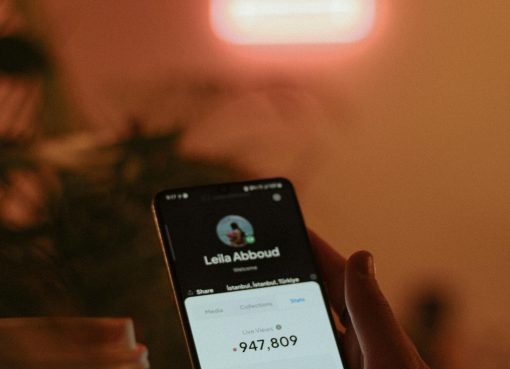
A social reset challenges us to reconsider the nature of social media itself. For years, platforms like Facebook, Instagram, Twitter, and TikTok have dominated social interaction, shaping not only how we communicate but also how we perceive ourselves and others. These spaces often encourage curated portrayals of life, fostering comparison, anxiety, and a sense of missing out. As users become more aware of these downsides, many are adopting new habits: limiting screen time, unfollowing accounts that trigger negativity, and turning to more intentional and private ways of connecting.
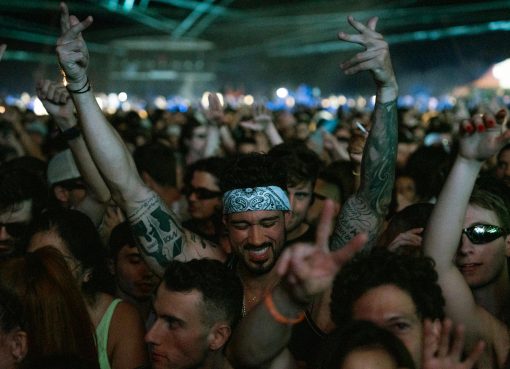
At the same time, the social reset involves a return to—and revaluation of—physical spaces and in-person experiences. After prolonged periods of isolation, people crave real-world interaction that feels tangible and fulfilling. Neighborhood gatherings, community workshops, small social clubs, and even casual meetups have seen a resurgence. These settings offer intimacy and immediacy that digital platforms often lack, helping to rebuild trust and foster belonging.
Moreover, the social reset is prompting us to rethink our social circles. Rather than accumulating vast networks of acquaintances, there’s an emerging emphasis on cultivating deeper, more supportive relationships. This shift resonates with the human need for meaningful connection—a foundation for mental and emotional health.
Another dimension of this reset relates to inclusivity and social justice. Movements advocating for equality, representation, and systemic change have energized conversations about who is included in social spaces and how power dynamics shape interactions. As a result, communities are becoming more intentional about creating safe, diverse, and equitable environments. This conscious effort to expand social inclusion is a vital part of the reset, signaling a move away from exclusionary practices and toward broader empathy.
Technology continues to play a dual role in the social reset. While digital tools enabled social survival during times of crisis, they are also being redesigned and repurposed to foster healthier connections. New platforms emphasize privacy, community moderation, and meaningful content over virality and attention economy metrics. Innovations in virtual and augmented reality hint at future possibilities for immersive social experiences that could blend the best of physical and digital worlds.
However, the social reset is not without its challenges. Balancing digital and real-world interactions requires ongoing effort and self-awareness. The temptation of social media’s instant gratification and wide reach can pull individuals back into unhealthy patterns. Additionally, the reemergence of in-person socializing may exclude those with disabilities, chronic illnesses, or other barriers to mobility, highlighting the need for inclusive approaches.
From a societal perspective, the reset invites institutions, workplaces, and governments to reconsider how they foster social cohesion. Remote work and hybrid models, for instance, demand new strategies to maintain team dynamics and company culture. Urban planning and public policy are also influenced, as communities seek to design spaces that encourage social engagement and wellbeing.
In personal lives, this reset may manifest as changes in habits and priorities. People might choose to reduce superficial interactions, invest more in close relationships, or explore new hobbies and groups that align with their values. Mindfulness and emotional intelligence become critical tools to navigate this evolving social landscape.
Importantly, the social reset offers a moment of hope and empowerment. It encourages individuals and communities to reclaim agency over their social lives, fostering connections that nourish rather than drain. By embracing vulnerability, openness, and active listening, people can build bonds that withstand the complexities of modern life.
Looking ahead, the social reset is likely to continue shaping how societies evolve. Its success depends on collective willingness to adapt, innovate, and prioritize human connection amid ongoing change. As new technologies emerge and social norms shift, the reset serves as a compass guiding us toward more balanced, inclusive, and meaningful ways of being together.
In conclusion, the social reset is much more than a trend—it’s a fundamental recalibration of how we relate to one another and the world around us. It challenges us to step back from reactive habits and consciously craft relationships and communities that reflect our deepest needs and highest aspirations. By doing so, we not only enrich our individual lives but also strengthen the social fabric that binds us all.
Leave a Comment