
Diet Trends That Actually Work Long-Term
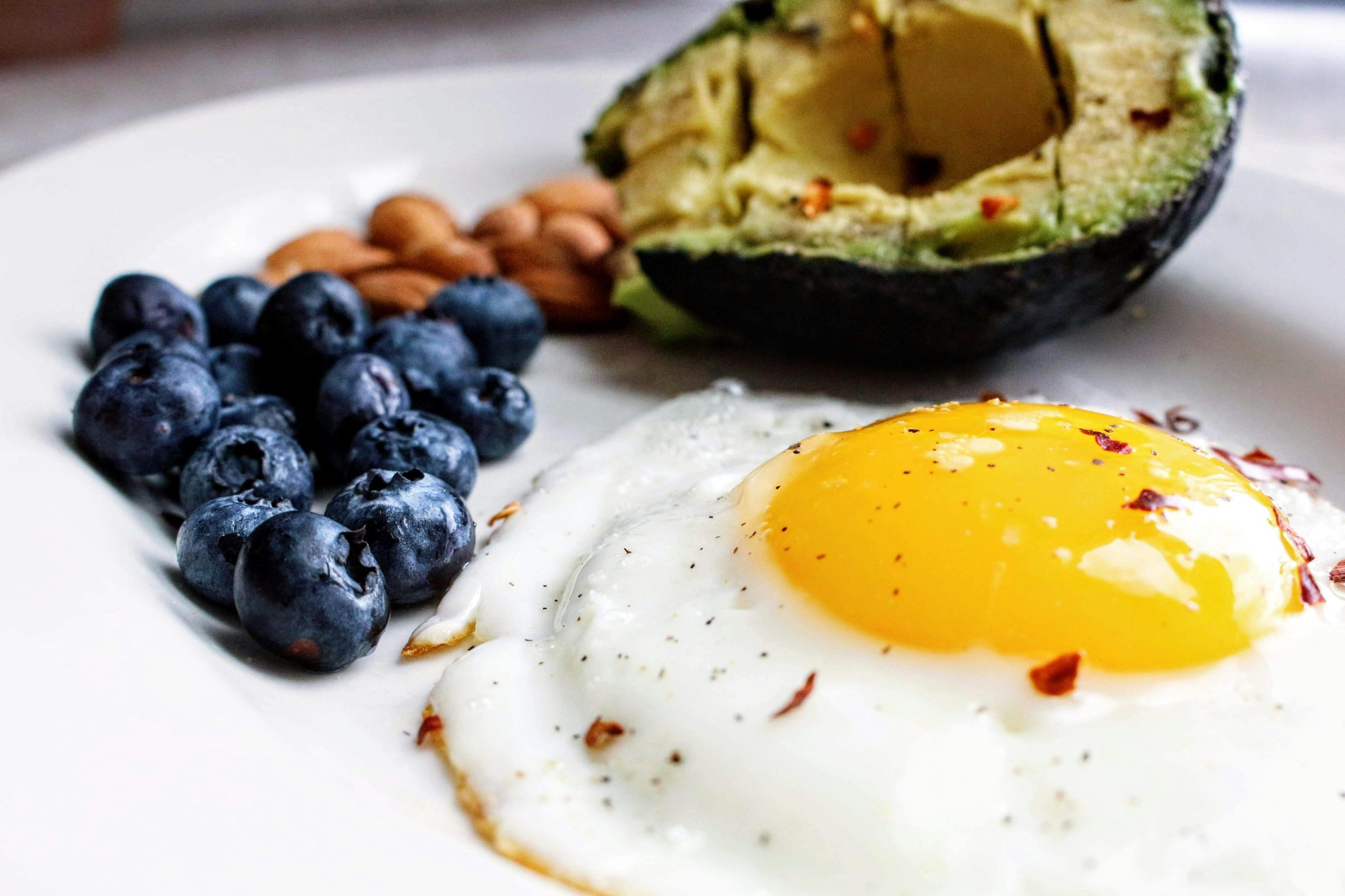
In the 2026 wellness landscape, the “crash diet” has officially entered meltdown territory. We’ve reached a point of collective exhaustion with the “all-or-nothing” approach to weight loss. As we navigate the high-speed reaction cycle of modern culture, the most successful diets aren’t the ones that demand total deprivation; they are the ones that prioritize metabolic flexibility and emotional balance.
We are seeing a move away from punishment-based fitness and toward “Habit-Centric Nutrition.” This isn’t just about what you eat; it’s about creating a repeatable rhythm that survives a busy workday, a viral controversy, or a Sunday afternoon of Super Bowl snacks. Here are the long-term trends that are actually moving the needle in 2026.
The “Protein-Forward” Anchor
The most stable trend of 2026 is the shift toward Protein-Forward eating. Unlike the “protein-obsessed” fads of the past, this approach isn’t about eating four steaks a day; it’s about using protein as a strategic “anchor” for every meal.
- The Satiety Secret: Research in 2026 confirms that hitting roughly 30 grams of protein per main meal—whether from chicken, fish, tofu, or Greek yogurt—is the single most effective way to quiet “food noise” and reduce late-night pantry raids.
- Protecting the Machine: As the “Building Muscle” movement takes over, protein is recognized as the essential fuel for maintaining lean mass while losing fat. It’s the difference between “losing weight” and “transforming your body composition.”
“Fibermaxxing” and the Gut Health Boom
While protein is the anchor, Fiber has become the breakout star of 2026. Dubbed “The New Protein,” the #Fibermaxxing movement focuses on hitting 25–35 grams of fiber daily through whole foods rather than supplements.
- Volume Without the Void: By prioritizing high-volume, low-calorie foods like beans, lentils, and cruciferous vegetables, you can eat a satisfying amount of food without overshooting your energy needs. It’s the ultimate “low-effort” hack for staying full.
- The Fermented Edge: 2026 has seen a massive surge in the consumption of fermented foods—kimchi, kefir, and sauerkraut—as part of a sustainable weight loss plan. A healthy gut microbiome is now understood to be a key driver of metabolic health and mental clarity.
The Rise of “Flexitarian” Sustainability
We are witnessing the death of the “restrictive label.” In 2026, the most successful individuals are embracing Plant-Forward (Flexitarian) diets.
This approach prioritizes whole, nutrient-dense plants but allows for the occasional high-quality animal protein or “fun food.” It’s the 80/20 Rule in action: 80% whole foods, 20% flexibility. This lack of rigidity is exactly what makes the diet sustainable for years rather than weeks. It allows you to participate in culture—like sharing a mofongo at a Super Bowl party—without feeling like you’ve “failed” your diet.
“Mindful Carbohydrates” over “No Carbohydrates”
The 2026 mood shift has also brought about a reconciliation with carbs. The focus has moved from “Carbs are the enemy” to “Glycemic Load matters.” Low-GI staples like sweet potatoes, quinoa, and oats have returned to the table as essential sources of steady energy. By pairing these complex carbs with protein and healthy fats, people are managing their blood sugar levels to avoid the energy crashes that lead to emotional overeating. It’s a move toward Metabolic Flexibility—teaching your body to efficiently burn both fat and carbohydrates for fuel.
Ultimately, the diet trends that work long-term in 2026 are the ones that feel quiet and personal. They aren’t loud, performative, or punishing. They focus on Energy, Recovery, and Performance, mirroring the “Quiet Luxury” movement in fashion: high-quality essentials, zero flashy logos, and a deep respect for the long game.
Whether you’re leaning into the high-protein offerings of Ragers.club or simply adding a fistful of greens to your lunch, remember that progress isn’t a straight line. Chaos doesn’t cancel your results; only quitting does. In 2026, the most “expensive” look you can have is the one that comes from a healthy, well-fed, and resilient body.


Leave a Comment