
Fit at Forty: Why Starting Exercise in Your 40s Is More Important Than Ever
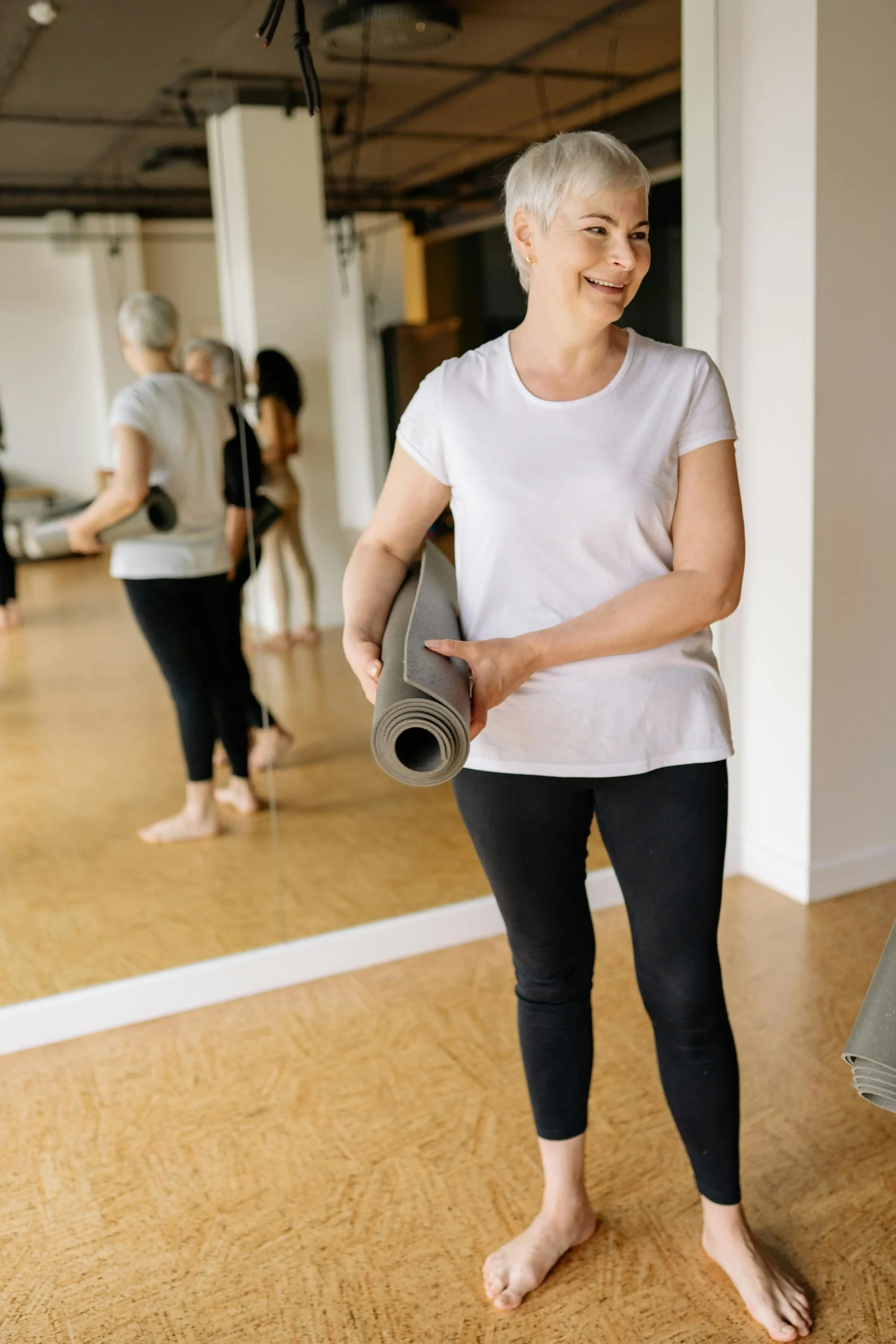
Turning forty is a milestone that often comes with reflection. For many, it’s a time to evaluate health, lifestyle, and long-term well-being. While fitness might have taken a backseat in the past, starting an exercise routine in your 40s can be transformative. Not only can it improve physical health, but it also boosts mental clarity, energy levels, and overall quality of life. In this article, we explore why beginning exercise in your 40s is crucial and how to approach fitness safely and effectively.
The Importance of Exercise in Your 40s
As we age, our bodies naturally undergo changes that affect strength, flexibility, and metabolism. For those in their 40s, exercise is no longer just about appearance—it’s about maintaining function, preventing chronic conditions, and preserving independence. Key reasons why exercise is essential include:
- Slowing muscle loss: After age 40, adults can lose 3–8% of muscle mass per decade. Strength training combats this decline, improving mobility and strength.
- Maintaining bone health: Weight-bearing exercises help prevent osteoporosis and reduce the risk of fractures.
- Boosting metabolism: Muscle mass supports metabolic rate, making it easier to maintain a healthy weight.
- Reducing risk of chronic diseases: Regular activity lowers the risk of heart disease, type 2 diabetes, high blood pressure, and certain cancers.
- Supporting mental health: Exercise reduces stress, anxiety, and depression while improving cognitive function and memory.
Even modest amounts of physical activity can yield substantial health benefits for people in their 40s.
Overcoming Common Barriers to Exercise in Your 40s
Many people in their 40s feel intimidated by the idea of starting a new fitness routine. Common barriers include:
- Time constraints: Work, family, and social commitments can make exercise feel impossible.
- Fear of injury: Concerns about joint pain or past injuries can create hesitation.
- Perceived lack of progress: Some fear that starting late won’t yield results.
- Lack of motivation: With busy schedules, it’s easy to put off starting.
The key is understanding that small, consistent efforts matter more than perfection. Exercise tailored to your fitness level can safely and effectively improve health.
Beginner-Friendly Workouts for Your 40s
Starting with manageable, low-risk exercises is essential for long-term success. Here are beginner-friendly options that are ideal for people in their 40s:
1. Walking
Walking is the simplest and most accessible form of exercise. Benefits include improved cardiovascular health, joint mobility, and mental well-being. Tips for beginners:
- Aim for 20–30 minutes, 3–5 times per week.
- Wear supportive shoes to protect your feet and joints.
- Vary pace or terrain to keep workouts engaging.
Even walking short distances consistently can improve energy, mood, and endurance.
2. Strength Training
Strength training is critical in your 40s to combat muscle loss and support metabolism. Beginners can start with:
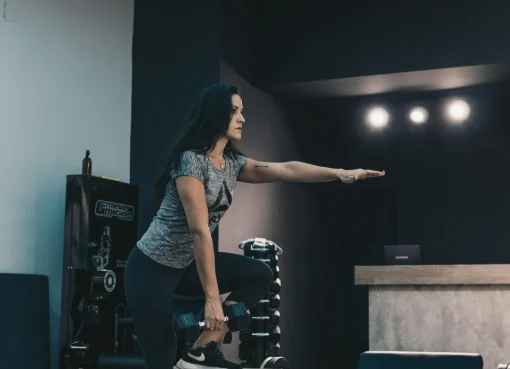
- Bodyweight exercises: Squats, lunges, push-ups, and planks.
- Resistance bands: Affordable and versatile, perfect for building strength safely.
- Light weights: Dumbbells or kettlebells for bicep curls, shoulder presses, and rows.
Aim for 2–3 sessions per week, focusing on all major muscle groups. Start light, focus on form, and gradually increase intensity.
3. Low-Impact Cardio
Low-impact cardio reduces stress on joints while improving heart health. Examples include:
- Swimming or water aerobics
- Cycling or stationary biking
- Elliptical training
Start with 20–30 minutes per session and gradually increase intensity. Low-impact cardio is especially helpful if you have joint concerns or are new to exercise.
4. Flexibility and Mobility Work
Flexibility and mobility exercises help maintain joint range of motion, reduce injury risk, and improve posture. Key stretches and routines include:
- Yoga or Pilates classes tailored for beginners
- Daily dynamic stretches for shoulders, hips, and hamstrings
- Gentle foam rolling to release muscle tension
Spending 10–15 minutes daily on flexibility can prevent stiffness and make other workouts more effective.
5. Core Strengthening
A strong core supports posture, balance, and overall mobility. Beginners can try:
- Planks (start with 15–20 seconds)
- Seated or lying leg lifts
- Bird-dog exercises
- Standing torso twists
Core exercises not only strengthen muscles but also protect the lower back, a common area of concern in your 40s.
Creating a Beginner Workout Schedule
Consistency is crucial when starting exercise in your 40s. A sample weekly plan for beginners could look like this:
| Day | Workout Focus | Duration |
|---|---|---|
| Monday | Strength training + Core | 30–40 min |
| Tuesday | Walking or light cardio | 20–30 min |
| Wednesday | Flexibility + Mobility | 20 min |
| Thursday | Strength training + Low-impact cardio | 30–40 min |
| Friday | Walking or cycling | 20–30 min |
| Saturday | Optional outdoor activity | 30–45 min |
| Sunday | Rest or gentle stretching | 15–20 min |
This plan balances strength, cardio, flexibility, and recovery, providing a sustainable approach for beginners in their 40s.
Nutrition and Recovery for Midlife Fitness
Exercise alone is not enough. Nutrition and recovery play a crucial role in optimizing results:
- Protein intake: Supports muscle repair and maintenance. Include lean meats, eggs, legumes, or protein shakes.
- Healthy fats: Avocados, nuts, olive oil, and fatty fish support joint health and hormonal balance.
- Complex carbohydrates: Whole grains, fruits, and vegetables fuel energy for workouts.
- Hydration: Adequate water intake improves energy and recovery.
- Sleep: Quality sleep enhances muscle recovery and mental clarity.
Pay attention to nutrition and rest, especially as metabolism and recovery rates change in your 40s.
Mental Benefits of Exercising in Your 40s
Exercise in midlife is not just about physical health—it’s also a mental game-changer:
- Improved mood and energy: Endorphins combat stress and boost vitality.
- Enhanced cognitive function: Regular activity improves focus, memory, and decision-making.
- Stress management: Exercise provides a healthy outlet for anxiety and tension.
- Confidence and empowerment: Achieving fitness milestones boosts self-esteem and motivation.
Investing in your physical health in your 40s directly supports mental resilience, energy, and overall life satisfaction.
Tips to Stay Motivated
Staying consistent is often the biggest challenge. Here are strategies to maintain motivation:
- Set realistic goals: Focus on consistency over intensity. Even short daily workouts count.
- Track progress: Use a journal, app, or wearable device to monitor improvements.
- Workout with a friend: Accountability increases adherence and enjoyment.
- Mix it up: Try new exercises to prevent boredom and challenge your body.
- Celebrate milestones: Recognize achievements, from completing a first week to lifting heavier weights.
Consistency and small wins create momentum, making fitness a lasting habit in your 40s.
Overcoming Common Challenges
Beginners in their 40s may encounter specific obstacles, including:
- Joint discomfort: Focus on low-impact movements and proper warm-ups.
- Slow recovery: Allow sufficient rest between sessions and prioritize sleep.
- Time management: Short, 15–20 minute sessions are better than skipping entirely.
- Self-doubt: Remember, it’s never too late to start, and incremental progress is powerful.
Acknowledging challenges and planning around them ensures long-term success.
The Long-Term Benefits of Starting Exercise at 40
Starting a fitness routine in your 40s provides benefits that extend well into later life:
- Longevity: Regular activity reduces risk of chronic diseases, increasing life expectancy.
- Maintained independence: Strength, balance, and mobility support day-to-day function.
- Better body composition: Preserves lean muscle mass and supports a healthy metabolism.
- Enhanced mental well-being: Reduced stress, improved cognitive function, and emotional resilience.
Exercise in your 40s is an investment that pays dividends in every aspect of life, from energy levels to emotional health.
Conclusion
It’s never too late to start exercising. Turning forty is a perfect time to commit to your health and transform your lifestyle. By starting with beginner-friendly workouts like walking, strength training, low-impact cardio, and flexibility exercises, you can improve energy, strength, and mental clarity. Pairing exercise with proper nutrition, hydration, and rest ensures long-term benefits.
Starting fitness in your 40s is not just about looking good—it’s about feeling strong, staying independent, and enjoying life with vitality. Consistent effort, realistic goals, and a positive mindset will help you transform your health, energy, and confidence. Fit at forty is not a cliché—it’s a powerful opportunity to take control of your body and future.


Leave a Comment