
What Coachella Doesn’t Show About Recovery
The Instagram photos show a golden sunset, perfectly dewy skin, and a flawless “undone glam” hairstyle. But if you look at the TikToks posted just a few hours later, the vibe is very different. You see people slumped in hotel bathtubs, nursing sore feet, and struggling to find the energy to do it all again for Day Two. In 2026, “festival fatigue” is no longer something people hide—it’s a central part of the Coachella conversation. While the official livestreams focus on the high-energy performances of stars like Justin Bieber and Sabrina Carpenter, the internet is obsessed with what happens when the music stops.
Recovery content has spiked earlier than ever this year. Usually, the “I’m exhausted” posts start on Monday morning after the festival ends. But in 2026, the data shows a massive surge in recovery-related searches and videos immediately after Day One. People are being more honest about the physical toll of spending twelve hours in 95-degree heat. We’re seeing a new genre of “Real-Time Recovery” videos where creators show themselves using IV drips, electrolyte powders, and compression boots at 2:00 AM. It’s a move toward “performance wellness”—the idea that you have to train like an athlete to survive a three-day weekend in Indio.
This shift toward honesty is a reaction to the “perfect” festival culture of the last decade. For a long time, there was pressure to look like you were having the best time every single second. But the 2026 audience values authenticity. They want to see the “messy” side of the desert. When a creator posts a video of their “Modern Boho” boots being covered in dust and their feet covered in blisters, it often gets more likes than their professional fashion shoot. These “recovery” moments are relatable because they show the human cost of the “effortless” look we all see on the main feed.
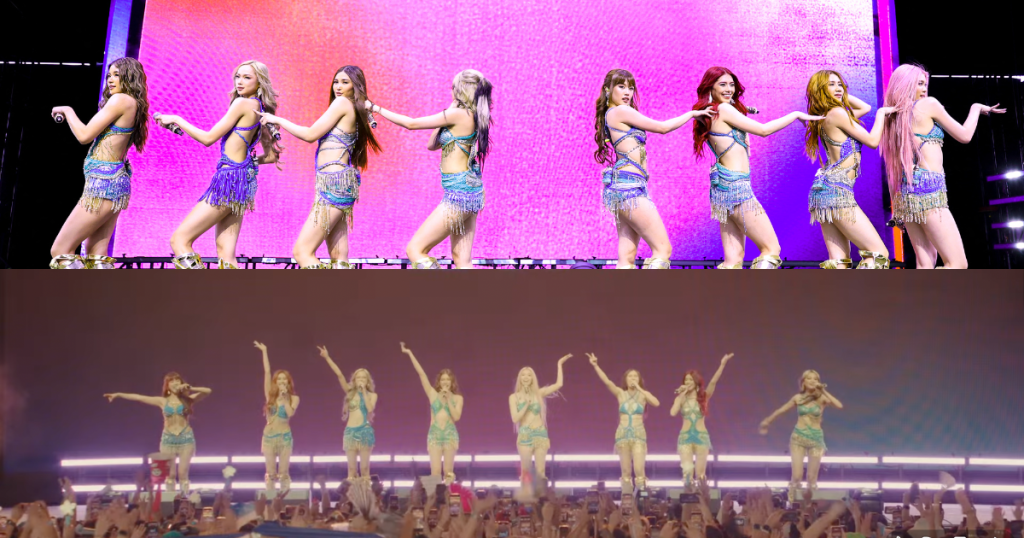
The group chats are also buzzing with recovery talk. While one friend is recap-ing BINI’s historic P-pop debut, another is asking for the best way to get desert sand out of their lungs. The conversation has moved from “Who are we seeing next?” to “Does anyone have an extra liquid IV?” This collective focus on health and stamina proves that the festival has become an endurance sport. The “vibe check” isn’t just about the music anymore; it’s about checking in on your friends to make sure they’re still hydrated and capable of making it to the headliner.
Even the brands are catching on. In the past, festival activations were all about photo booths and free makeup. This year, the most popular lounges are the ones offering shaded seating, cooling towels, and hydration stations. The smart brands have realized that in 2026, the most valuable thing they can give a fan isn’t a selfie—it’s a moment of rest. By leaning into the “fatigue” conversation, they’re showing that they understand the real experience of being a fan in the desert.
As we move through the second half of the festival, the message is clear: the “perfect” Coachella is a myth. Behind every viral moment and every structured outfit is a person who is probably very tired and very dusty. By sharing the recovery process, the internet is making the festival experience feel more grounded and real. It reminds us that while the “moments” on stage are legendary, the real work happens in the quiet hours of recovery. Coachella 2026 isn’t just about how hard you can party; it’s about how well you can bounce back for the next beat.
Leave a Comment