
Is Telehealth the New Normal? Benefits and Challenges of Virtual Healthcare
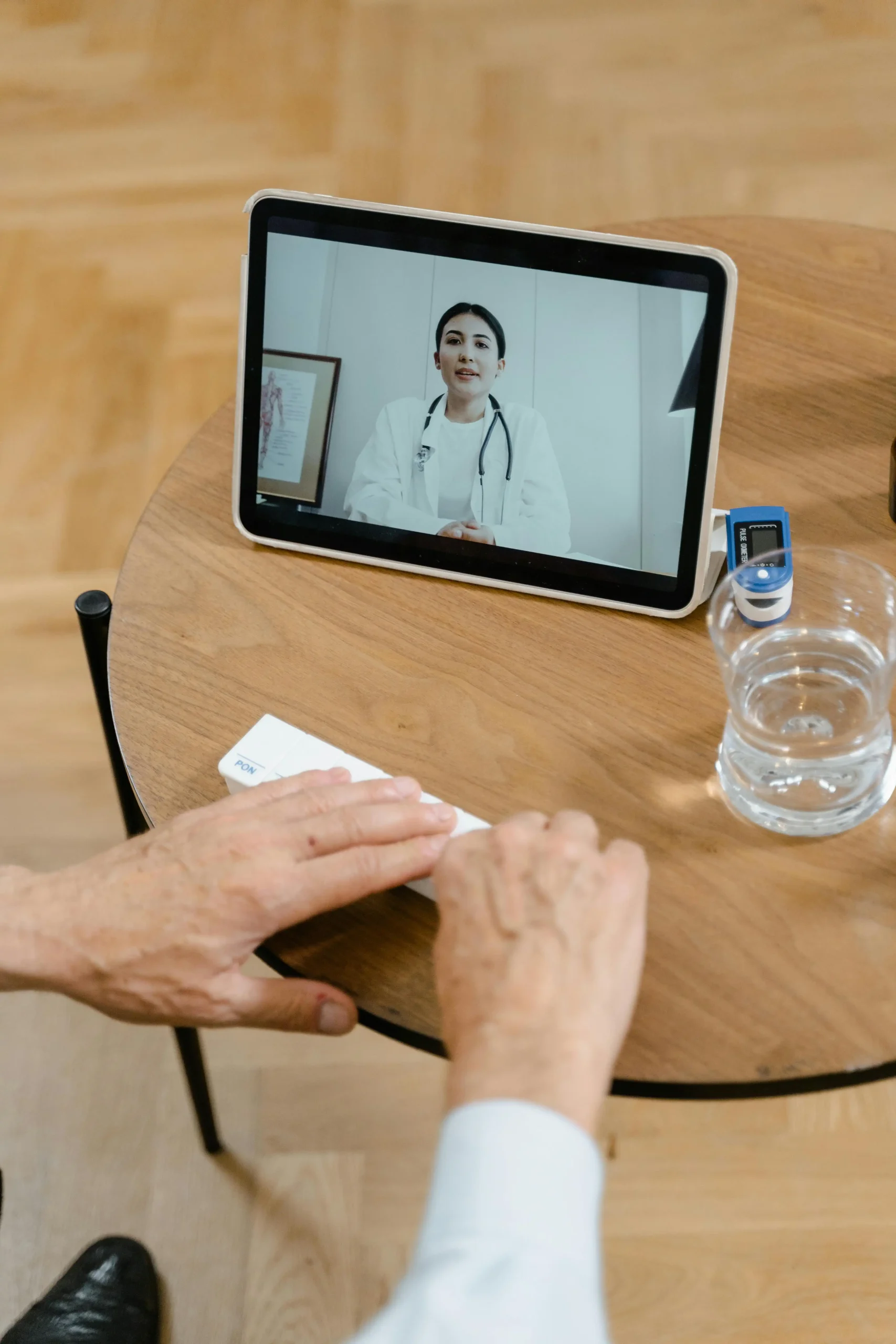
Healthcare systems around the world have undergone rapid digital transformation in recent years. One of the most significant changes is the rise of telehealth, a model of delivering medical services through digital communication tools such as video calls, mobile apps, and online portals. What once seemed like a temporary solution has now become a long-term healthcare strategy.
Today, many patients are asking an important question: is telehealth the new normal in modern healthcare? As hospitals, clinics, and patients continue to adopt virtual care, it is clear that telehealth is reshaping how medical services are delivered. However, while its benefits are undeniable, it also comes with limitations and challenges that must be addressed.
What Is Telehealth?
Telehealth refers to the use of digital communication technologies to provide healthcare services remotely. It allows patients to consult doctors, receive diagnoses, and manage ongoing conditions without visiting a physical clinic.
Telehealth includes:
- Video consultations with doctors
- Online prescription services
- Remote monitoring of chronic conditions
- Mental health counseling sessions
- Mobile health applications
This system became widely used during the global health crisis and has since remained an essential part of modern healthcare infrastructure.
Organizations such as the World Health Organization recognize telehealth as a key tool for improving healthcare access, especially in underserved regions.
Why Telehealth Is Growing Rapidly
The rise of telehealth is driven by several global trends:
1. Increased Demand for Convenience
Patients now prefer healthcare services that fit into their schedules. Virtual consultations eliminate travel time and waiting room delays.
2. Advancements in Technology
High-speed internet, smartphones, and secure medical platforms have made remote healthcare more accessible than ever.
3. Healthcare System Pressure
Hospitals and clinics face increasing patient loads. Telehealth helps reduce overcrowding and allows doctors to manage patients more efficiently.
4. Post-Pandemic Behavior Shift
After COVID-19, both patients and providers became more comfortable with virtual care as a safe and effective alternative.
Benefits of Telehealth
Telehealth offers several advantages that make it appealing to both patients and healthcare providers.
1. Improved Access to Healthcare
One of the biggest benefits is accessibility. Patients in rural or remote areas can now consult specialists without traveling long distances.
This is especially important in regions with limited medical infrastructure, where telehealth helps bridge the gap between patients and healthcare professionals.
2. Convenience and Time Savings
Telehealth eliminates the need for commuting, parking, and waiting in clinics. Patients can attend appointments from home, work, or even while traveling.
This convenience is particularly valuable for:
- Busy professionals
- Elderly patients
- Parents with young children
3. Cost Efficiency
Virtual consultations are often more affordable than in-person visits. Patients save money on transportation, time off work, and sometimes even consultation fees.
Healthcare systems also benefit by reducing operational costs associated with physical infrastructure.
4. Better Chronic Disease Management
Telehealth is highly effective for managing long-term conditions such as:
- Diabetes
- Hypertension
- Asthma
Through remote monitoring devices and regular virtual check-ins, doctors can track patient progress more consistently.
5. Mental Health Support
Online therapy and counseling have become increasingly popular. Telehealth provides a private and accessible way for individuals to seek mental health care without stigma or travel barriers.
Challenges of Telehealth
Despite its benefits, telehealth is not without limitations. Several challenges must be addressed for it to become a fully integrated healthcare solution.
1. Limited Physical Examination
One of the biggest drawbacks is the inability to perform physical examinations. Certain conditions require hands-on assessment, diagnostic tests, or imaging that cannot be done remotely.
2. Technology Barriers
Not all patients have access to smartphones, stable internet connections, or digital literacy. This creates inequality in access to telehealth services.
3. Data Privacy and Security
Since telehealth relies on digital platforms, patient data is transmitted online. Protecting sensitive medical information is a major concern for healthcare providers and regulators.
Regulatory bodies such as the U.S. Food and Drug Administration play an important role in ensuring that digital health tools meet safety and privacy standards.
4. Lack of Personal Interaction
Some patients and doctors feel that virtual consultations lack the personal connection of face-to-face visits. Non-verbal cues and physical presence can be important in building trust and accurate diagnosis.
5. Insurance and Policy Limitations
Not all insurance providers fully cover telehealth services. In some regions, reimbursement policies are still evolving, making access inconsistent.
Telehealth vs Traditional Healthcare
Telehealth does not replace traditional healthcare but rather complements it.
Traditional Healthcare Strengths:
- Physical examinations
- Emergency care
- Diagnostic testing
- Surgical procedures
Telehealth Strengths:
- Convenience
- Accessibility
- Follow-up care
- Chronic disease management
The future of healthcare is likely a hybrid model that combines both in-person and virtual care depending on patient needs.
The Role of Technology in Telehealth Growth
Technology is the backbone of telehealth expansion. Platforms such as Teladoc Health have demonstrated how digital healthcare systems can scale globally.
Key technologies driving telehealth include:
- Artificial intelligence for symptom analysis
- Cloud-based patient records
- Mobile health applications
- Wearable health monitoring devices
These innovations allow doctors to make more informed decisions and provide continuous patient care beyond traditional clinic settings.
Telehealth and the Future of Healthcare
Telehealth is no longer just a temporary solution—it is becoming a core component of healthcare systems worldwide. Governments, hospitals, and private providers are investing heavily in digital health infrastructure.
Future developments may include:
- AI-powered virtual doctors
- Real-time health monitoring through smart devices
- Fully integrated digital hospitals
- Expanded insurance coverage for virtual care
As these technologies evolve, telehealth will likely become more advanced, accessible, and widely accepted.
Is Telehealth the New Normal?
The answer is increasingly yes—but with conditions.
Telehealth is becoming a permanent part of healthcare, but it will not completely replace traditional medical care. Instead, it is forming a hybrid system where patients receive the most appropriate type of care based on their condition.
For routine consultations, follow-ups, and mental health support, telehealth is already the preferred choice for many. However, for emergencies and complex medical procedures, in-person care remains essential.
Conclusion
Telehealth has transformed healthcare delivery by making medical services more accessible, efficient, and patient-centered. While challenges such as privacy concerns, technology gaps, and limited physical examinations remain, the overall impact of telehealth is undeniably positive.
As digital health continues to evolve, telehealth is not just a trend—it is a foundational shift in how healthcare is delivered globally. Supported by organizations like the World Health Organization and regulated by bodies like the FDA, it is clear that virtual healthcare will remain a major part of the future medical landscape.
Telehealth may not completely replace traditional healthcare, but it has already established itself as a permanent and essential pillar of modern medicine.



Leave a Comment