
How “Tummy Tea” Became a Viral Wellness Trend on TikTok and Instagram
Introduction: The Rise of Tummy Tea in the Social Media Era
In recent years, “tummy tea” has exploded across social media platforms like TikTok and Instagram, becoming one of the most talked-about wellness trends in the digital space. Influencers, fitness creators, and lifestyle bloggers frequently showcase morning routines featuring herbal teas marketed for bloating relief, digestion support, and “flat tummy” results.
What makes tummy tea so appealing is not just the product itself, but the promise attached to it: a simple daily habit that appears to support weight management, gut health, and detoxification. In a world where fast results and aesthetic wellness routines dominate online culture, tummy tea has positioned itself as both a lifestyle accessory and a health solution.
But how did this trend start, and why has it gained such massive popularity? This article explores the origins, marketing psychology, health claims, ingredients, and cultural impact of tummy tea as a viral wellness phenomenon.
What Is Tummy Tea?
Tummy tea is a general term used for herbal tea blends that are marketed to support digestion, reduce bloating, and promote a flatter-looking stomach. These teas often include a mix of natural ingredients such as:
- Ginger
- Peppermint
- Senna leaf
- Green tea extract
- Fennel
- Dandelion root
- Lemon balm
While formulations vary depending on the brand, the common promise is digestive comfort and temporary reduction of bloating.
It is important to note that tummy tea is not a medically defined product category. Instead, it is a marketing term used by wellness brands to appeal to consumers seeking quick and natural-looking solutions for digestive concerns.
The TikTok Effect: How Tummy Tea Went Viral
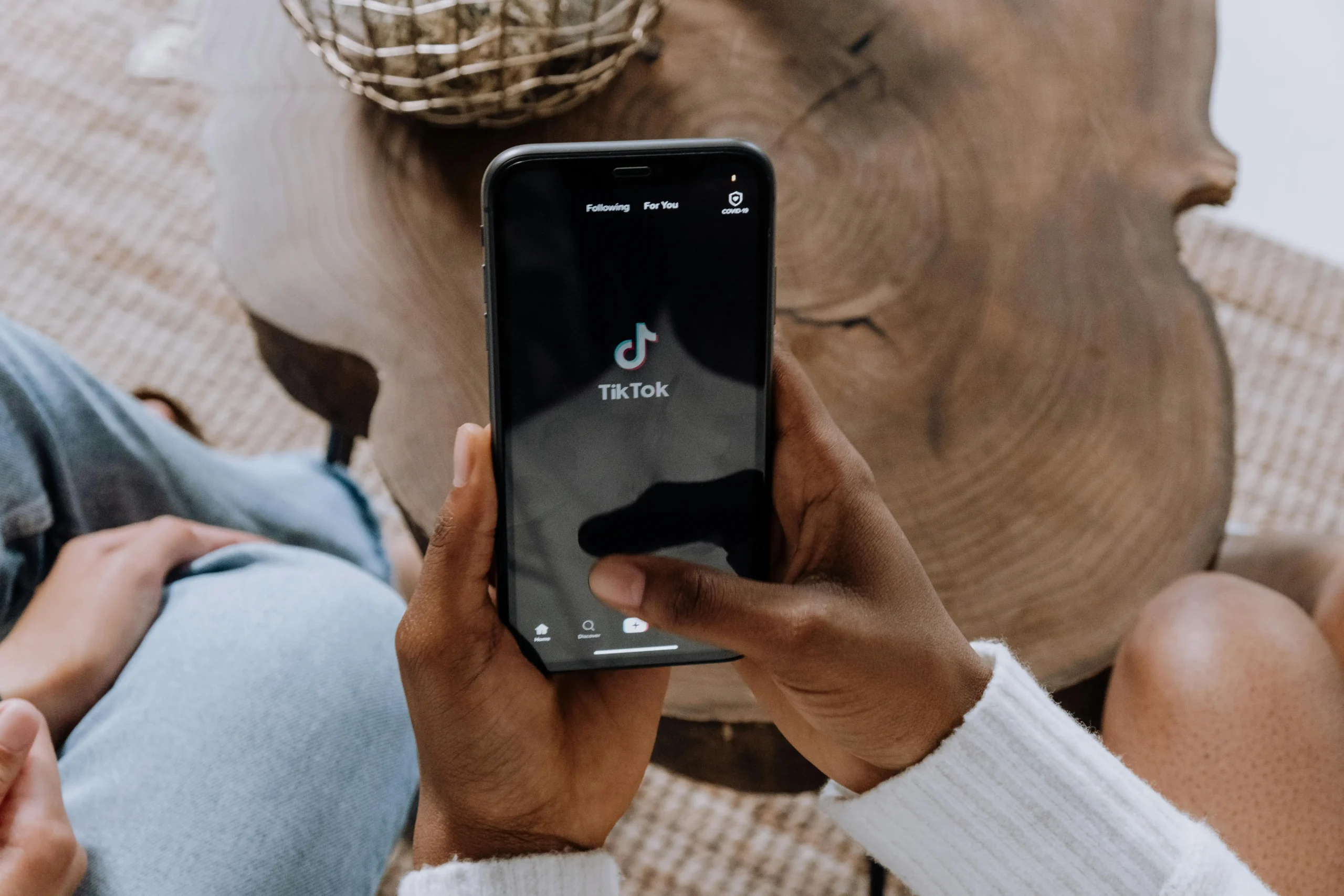
The rise of tummy tea is closely linked to short-form video content on TikTok and Instagram Reels. These platforms thrive on transformation-based storytelling, which makes wellness products especially shareable.
1. Morning Routine Aesthetics
One of the most common viral formats features influencers showing their “morning routine,” where tummy tea is presented as a non-negotiable first step of the day. The visuals often include clean kitchens, minimal aesthetics, and glowing skin—creating an aspirational lifestyle association.
2. Before-and-After Culture
Another major driver of popularity is the “before and after” content format. Users often claim reduced bloating after a few days of drinking tummy tea, even though such effects are typically temporary and related to water balance or diet changes.
3. Influencer Marketing
Influencers play a key role in shaping perception. Many wellness and beauty creators partner with brands to promote tummy tea as part of fitness or detox programs. This creates a sense of credibility and trust among followers, even when scientific backing is limited.
Why Tummy Tea Appeals to Modern Consumers
The success of tummy tea is not accidental. It taps into several psychological and cultural trends.
1. Desire for Quick Wellness Fixes
Modern consumers often look for fast, easy solutions to health concerns. Tummy tea fits perfectly into this mindset because it suggests visible results with minimal effort.
2. The “Detox” Lifestyle Trend
Although the human body naturally detoxifies through the liver and kidneys, the idea of “detox products” remains highly popular. Tummy tea is often marketed as a cleansing aid, reinforcing this belief.
3. Social Media Validation
Seeing others use tummy tea creates social proof. When influencers or friends share their routines, it reinforces the idea that the product is effective and worth trying.
4. Aesthetic Wellness Culture
Wellness is no longer just about health—it is also about appearance and lifestyle. Tummy tea aligns with the visual culture of Instagram, where clean, minimal, and “healthy” aesthetics dominate.
Common Ingredients in Tummy Tea and Their Effects
While branding varies, most tummy teas rely on herbal ingredients with known digestive properties.
Ginger
Ginger is widely known for its ability to support digestion and reduce nausea. It may help stimulate gastric motility and ease discomfort after meals.
Peppermint
Peppermint is commonly used to soothe the digestive tract and may help reduce bloating and gas.
Senna Leaf
Senna is a natural laxative used in some detox teas. While effective for short-term relief of constipation, it is not recommended for long-term use due to potential dependency risks.
Dandelion Root
Often included in detox blends, dandelion root is believed to support liver function and fluid balance.
Green Tea Extract
Green tea contains antioxidants and caffeine, which may slightly boost metabolism and energy levels.
While these ingredients can support digestion, their effects are often mild and vary depending on the individual.
Does Tummy Tea Really Work?
The effectiveness of tummy tea depends largely on expectations.
Short-Term Effects
Many users report:
- Reduced bloating
- Increased bowel movement regularity
- Feeling lighter after meals
These effects are often temporary and may be influenced by hydration, diet, and natural digestive cycles.
Long-Term Effects
There is limited scientific evidence to support long-term weight loss or “flat stomach” claims from tummy tea alone. Sustainable results typically require:
- Balanced diet
- Regular physical activity
- Adequate hydration
- Sleep and stress management
Tummy tea may complement these habits, but it is not a standalone solution.
Potential Risks and Considerations
Although tummy tea is generally marketed as natural, it is not risk-free.
1. Overuse of Laxatives
Some formulations contain senna or similar ingredients that can cause dependency if used excessively.
2. Dehydration
Certain detox teas may increase urination or bowel movements, which can lead to dehydration if fluid intake is not maintained.
3. Misleading Expectations
Marketing often exaggerates results, leading consumers to expect rapid weight loss or body transformation.
4. Sensitivity Reactions
Individuals may experience mild side effects such as stomach cramps or discomfort depending on ingredient sensitivity.
Health professionals generally recommend moderation and caution when using detox-style teas regularly.
The Marketing Psychology Behind Tummy Tea
Tummy tea’s success is rooted in powerful marketing strategies.
1. Problem-Solution Framing
The product is often presented as a solution to a common insecurity: bloating or abdominal discomfort.
2. Visual Transformation Content
Before-and-after visuals create the illusion of rapid change, even when results are temporary.
3. Celebrity and Influencer Endorsements
Associating the product with attractive, fit, or popular personalities enhances perceived effectiveness.
4. Emotional Branding
Tummy tea is not just sold as a beverage—it is sold as confidence, discipline, and self-care in a cup.
Tummy Tea vs Real Gut Health Practices
While tummy tea can be part of a wellness routine, true gut health relies on long-term habits.
More Effective Long-Term Practices Include:
- High-fiber diet (fruits, vegetables, whole grains)
- Probiotic foods (yogurt, kimchi, kefir)
- Regular exercise
- Stress reduction techniques
- Adequate hydration
Tummy tea may provide temporary comfort, but it should not replace foundational health practices.
The Role of Social Media in Wellness Trends
The tummy tea trend reflects a larger pattern in digital wellness culture. Platforms like TikTok often prioritize:
- Short-term transformations
- Aesthetic appeal
- Easy-to-consume health advice
This environment can amplify trends quickly, even before scientific validation catches up.
As a result, consumers are encouraged to critically evaluate wellness claims and distinguish between marketing narratives and actual health benefits.
Conclusion: Is Tummy Tea Worth the Hype?
Tummy tea has undeniably become a major wellness trend fueled by social media, influencer culture, and aesthetic lifestyle marketing. While it may offer mild digestive support and temporary relief from bloating, it is not a miracle solution for weight loss or long-term body transformation.
Its popularity says more about modern digital culture than it does about medical effectiveness. People are drawn to simplicity, quick fixes, and visually appealing routines—and tummy tea fits all three categories.
Ultimately, tummy tea can be enjoyed as a soothing herbal drink, but it should be viewed as a supportive habit rather than a core health strategy.


Leave a Comment