
GLP-1 and Appetite Control: Why You Feel Less Hungry on New Weight Loss Medications
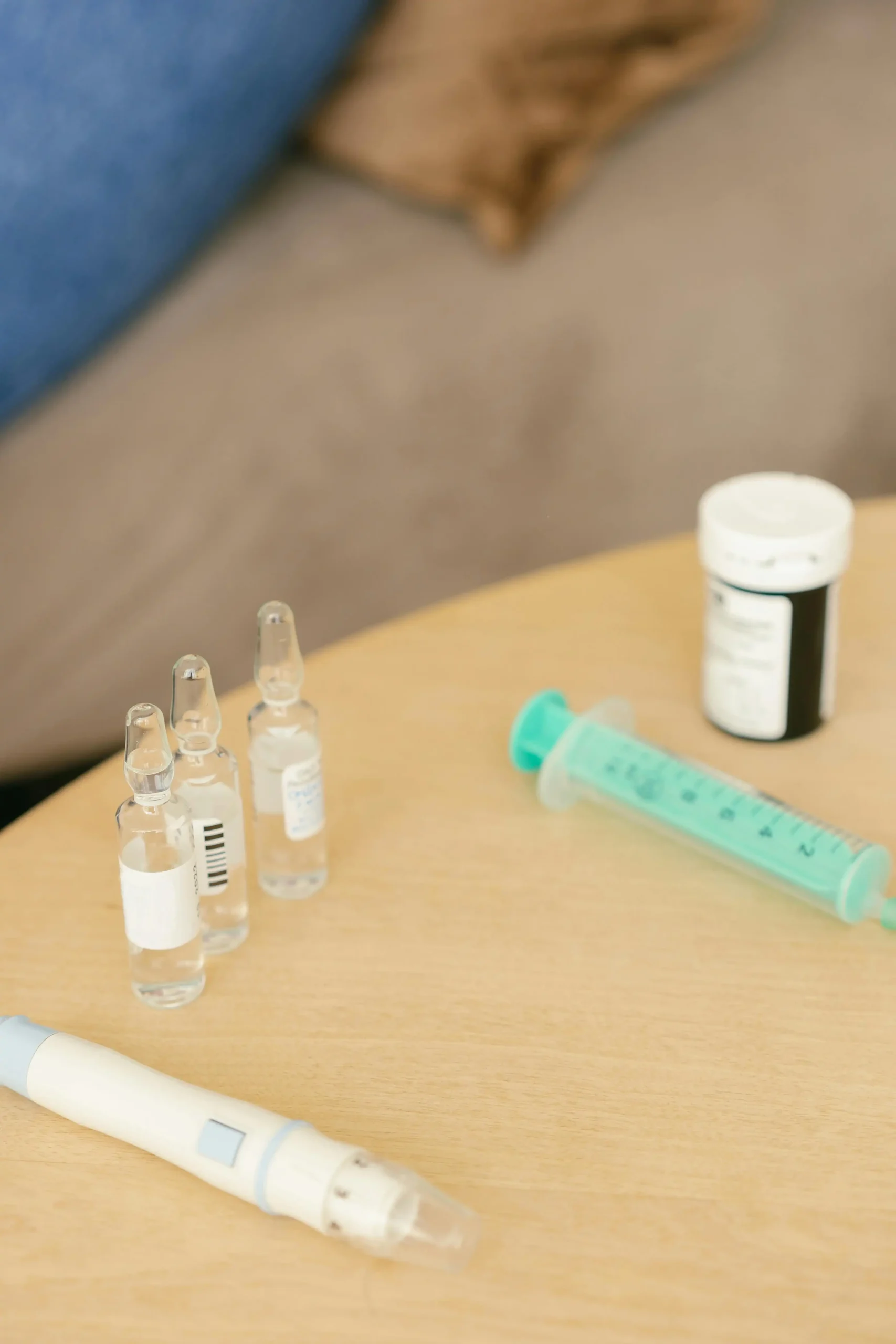
In recent years, GLP-1 medications have become one of the most talked-about developments in modern weight management. From social media discussions to medical research breakthroughs, these treatments are changing how doctors approach obesity and metabolic health.
The most common question people ask is simple: why do GLP-1 medications reduce appetite so effectively?
To understand this, we need to look at how the body naturally regulates hunger, how GLP-1 hormones work, and why medications like Ozempic and Wegovy have such a powerful impact on appetite control.
What Is GLP-1 and Why It Matters for Appetite
GLP-1 stands for glucagon-like peptide-1, a hormone naturally produced in the gut. It plays a central role in the body’s metabolic system, especially after eating.
GLP-1 is part of a broader biological system that helps regulate blood sugar, digestion, and hunger signals. When you eat food, GLP-1 is released to help your body respond appropriately. It slows digestion, signals fullness to the brain, and helps regulate insulin levels.
In simple terms, GLP-1 is one of the body’s natural “I’m full” signals.
Modern weight loss medications mimic or enhance this hormone, which is why they are classified as GLP-1 receptor agonists. These drugs essentially amplify a natural process your body already uses, but at a much stronger and longer-lasting level.
The Science Behind Hunger: Why We Feel Hungry in the First Place
To understand GLP-1’s effects, it helps to first understand how hunger actually works.
Hunger is not just a stomach sensation. It is a complex communication system involving:
The stomach, which physically expands and contracts
The gut, which releases hormones like GLP-1 and ghrelin
The pancreas, which regulates blood sugar
The brain, especially the hypothalamus, which interprets all these signals
One of the most important hunger hormones is ghrelin, often called the “hunger hormone.” When ghrelin levels rise, your brain receives a signal that it is time to eat.
At the same time, hormones like GLP-1 send the opposite message: you are full, slow down eating.
In a healthy balance, these signals work together smoothly. But in people struggling with obesity or metabolic dysfunction, this system can become dysregulated. Hunger signals may be stronger, satiety signals weaker, and cravings more persistent.
This is where GLP-1 medications begin to make a difference.
How GLP-1 Medications Reduce Appetite
GLP-1 medications work on multiple levels of the body at the same time. Their effect is not limited to the stomach or digestive system; they also directly influence the brain.
1. They Slow Down Digestion
One of the first effects of GLP-1 is delayed gastric emptying. This means food stays in the stomach longer than usual.
As a result, you feel physically full for a longer period after eating. Even small meals can create a prolonged sense of satisfaction, reducing the urge to snack frequently.
2. They Strengthen Fullness Signals to the Brain
GLP-1 communicates directly with the brain’s appetite control centers, especially the hypothalamus.
When GLP-1 levels are higher, the brain receives stronger “you are full” signals earlier during a meal. This causes people to feel satisfied with smaller portions without consciously trying to restrict food.
This is one of the key reasons patients often report that food “just doesn’t feel as necessary” anymore.
3. They Reduce Food Cravings
Beyond physical hunger, GLP-1 also influences reward pathways in the brain. These pathways are responsible for cravings, emotional eating, and the desire for high-calorie foods.
Many people on GLP-1 medications report a reduced interest in sugary, fatty, or highly processed foods. This is not just willpower—it is a neurological shift in how the brain responds to food cues.
4. They Stabilize Blood Sugar Levels
GLP-1 medications also help regulate insulin secretion. When blood sugar levels remain stable, the body experiences fewer spikes and crashes that typically trigger hunger.
Without these fluctuations, the urge to eat out of sudden energy dips is significantly reduced.
Why Appetite Changes Feel So Strong on GLP-1
One of the most surprising effects for patients is how quickly their relationship with food changes.
Foods that once felt irresistible may suddenly feel unnecessary. Meals that used to be normal portions may feel too large. Even thinking about food can become less frequent.
This is because GLP-1 affects both physical hunger and psychological desire to eat.
The result is not just eating less—it is a complete recalibration of appetite signals.
The Role of Brain Chemistry in Appetite Control
The brain plays a central role in eating behavior, especially in the dopamine reward system.
Dopamine is the chemical linked to pleasure and motivation. Highly palatable foods—such as fast food, sweets, and snacks—trigger dopamine release, reinforcing the desire to eat them repeatedly.
GLP-1 medications appear to reduce the intensity of these reward signals. This means food still tastes normal, but it becomes less emotionally rewarding or compulsive.
This is why many users describe the experience as “food noise disappearing.”
GLP-1 and Medical Weight Loss: A New Era
Medications like Wegovy and Ozempic have become widely studied for their effectiveness in treating obesity.
Originally developed for type 2 diabetes management, these treatments showed significant weight loss effects during clinical trials. As a result, they were approved for chronic weight management in individuals with obesity or weight-related health conditions.
This shift marks an important change in medical thinking: obesity is now being treated more as a biological and hormonal condition rather than purely a lifestyle issue.
Why Not Everyone Feels the Same Effect
While GLP-1 medications are highly effective for many people, the results can vary.
Some individuals experience strong appetite suppression, while others notice more moderate changes. Several factors influence this response:
Differences in metabolism
Variation in brain sensitivity to appetite hormones
Diet composition and lifestyle habits
Underlying health conditions
It is also important to understand that GLP-1 is not a permanent reset button. The body continues to adapt over time, and long-term success still depends on sustainable habits.
Are GLP-1 Medications a Replacement for Diet and Exercise?
GLP-1 medications are not designed to replace healthy living. Instead, they support behavior change by reducing the biological pressure to overeat.
Many patients find that once constant hunger is reduced, it becomes easier to make healthier food choices and maintain portion control.
However, long-term results are best achieved when medication is combined with balanced nutrition, regular movement, and lifestyle adjustments.
The Future of Appetite Control Science
GLP-1 research is rapidly evolving. Scientists are currently studying even more advanced medications that target multiple hormones involved in hunger regulation.
The future may involve treatments that combine GLP-1 with other gut hormones to create even stronger metabolic effects.
This could lead to more personalized weight management strategies tailored to each individual’s biology.
Final Thoughts
GLP-1 medications have changed the understanding of appetite control by showing how deeply hormones influence hunger, cravings, and eating behavior.
By mimicking a natural gut hormone, these treatments reduce appetite through multiple pathways—slowing digestion, strengthening fullness signals, stabilizing blood sugar, and altering brain reward responses.
This is why people taking GLP-1 medications often experience such a dramatic reduction in hunger. It is not simply a matter of discipline; it is a biological shift in how the body and brain communicate about food.
As research continues, GLP-1 therapies will likely play an even larger role in treating obesity and metabolic disorders, offering new hope for people struggling with appetite regulation and long-term weight management.


Leave a Comment