
Why Rest Is Finally Becoming A Health Goal
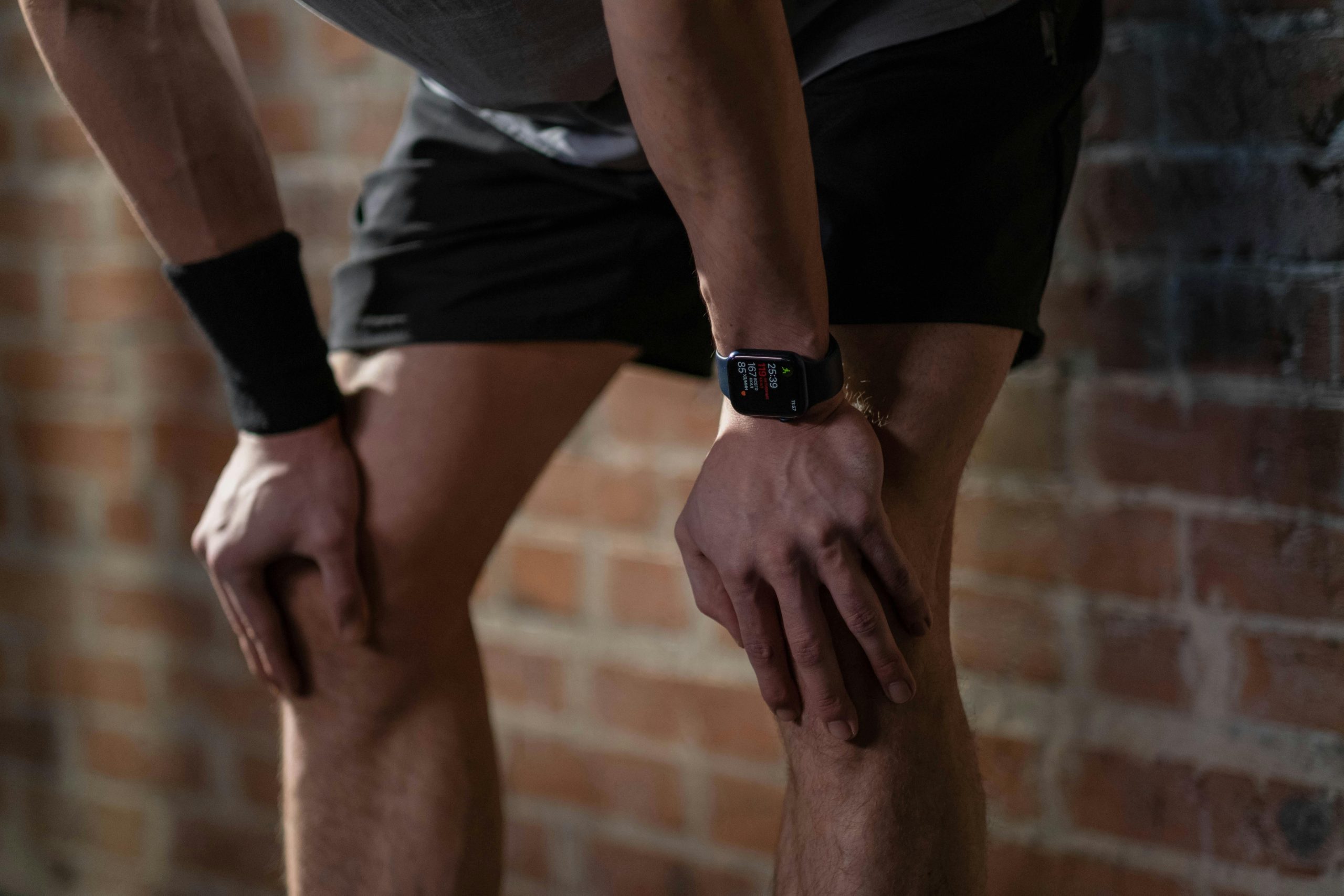
For a long time, rest was treated as something you earned only after everything else was done. Productivity came first, and recovery was whatever time was left over. But that mindset is shifting. Rest is no longer being viewed as the opposite of productivity—it is becoming part of it.
This change is closely tied to growing awareness around burnout. As work and digital life have blurred together, many people have found themselves constantly “on,” even outside of traditional working hours. The result has been a slow but steady reevaluation of what sustainable living actually looks like.
Rest today is being reframed as an active health practice rather than passive downtime. Sleep quality, mental recovery, and physical restoration are now discussed in the same space as exercise and nutrition. Instead of being optional, recovery is increasingly seen as a core pillar of overall well-being.
Public figures such as Cristiano Ronaldo and Simone Biles are often associated with this modern approach to performance and recovery, where structured rest is treated as essential to maintaining long-term physical and mental capability.
Technology has also played a role in this shift. Wearables, sleep trackers, and health apps have made recovery more measurable, turning rest into something that can be monitored, optimized, and improved over time. This data-driven approach has helped normalize the idea that recovery is not wasted time, but necessary maintenance.
At the same time, cultural attitudes toward overwork are changing. The idea that constant exhaustion equals success is being questioned, especially as more people prioritize longevity, mental clarity, and overall life balance. Productivity is increasingly being measured not just by output, but by sustainability.
Social media has amplified this conversation in both directions. While hustle culture still exists online, there is also growing visibility around slow living, intentional rest, and recovery-focused routines. This duality reflects a broader tension between performance pressure and well-being.
Another important factor is the link between rest and performance. In many fields, from sports to creative work, recovery is now understood as essential for consistency and improvement. Without rest, performance declines; with it, long-term output becomes more stable.
Emotional recovery is also part of this broader definition. Rest is no longer limited to sleep or physical downtime—it includes mental breaks, disconnection from digital noise, and time away from constant stimulation.
Ultimately, rest is being redefined from something optional into something foundational. It is no longer the reward after productivity—it is part of what makes productivity possible in the first place.


Leave a Comment