
The Hidden Benefits of Telehealth: More Than Just a Video Call With a Doctor
Introduction: How Telehealth Is Changing the Way People Experience Healthcare
When many people hear the word telehealth, they immediately think of a video call with a doctor. While virtual appointments are one part of telehealth, the reality is much bigger. Telehealth has become a modern healthcare solution that supports patients through monitoring, education, communication, and ongoing health management.
The growth of digital healthcare has changed the way people think about medical support. Instead of only visiting a clinic when something feels wrong, patients can now have more consistent access to healthcare professionals, resources, and personalized guidance.
Telehealth is not simply replacing traditional doctor visits. It is creating a new approach to healthcare where convenience, prevention, and continuous support are becoming more important.
For busy individuals, people managing long-term health goals, and those who want easier access to medical advice, telehealth provides opportunities to stay connected with healthcare providers without the challenges of traditional appointments.
What Is Telehealth and How Does It Work?
Telehealth refers to the use of digital technology to provide healthcare services remotely. This can include virtual doctor consultations, health education, remote monitoring, digital communication with healthcare professionals, and ongoing support programs.
Unlike traditional healthcare visits where patients must travel to a clinic, telehealth allows people to connect with providers through secure online platforms.
Depending on the service, telehealth may include:
Virtual consultations
Health assessments
Medication management
Remote monitoring
Lifestyle coaching
Health education
Follow-up appointments
The purpose of telehealth is to make healthcare more accessible while helping patients stay engaged with their health.
The Hidden Benefit of Telehealth: Continuous Healthcare Support
One of the biggest advantages of telehealth is that it creates more opportunities for ongoing support.
Traditional healthcare often focuses on appointments that happen only when a person has a concern. Telehealth allows for more regular communication and follow-ups, helping patients stay connected throughout their health journey.
This ongoing support can be especially valuable for people managing:
Chronic health conditions
Lifestyle changes
Nutrition goals
Weight management plans
Preventive health routines
Healthcare becomes less about occasional visits and more about building a long-term relationship between patients and providers.
Telehealth Makes Healthcare More Accessible
Access to healthcare has always been a challenge for many people. Distance, transportation issues, busy schedules, and long waiting times can prevent individuals from seeking medical advice when they need it.
Telehealth helps reduce these barriers by allowing patients to connect with healthcare professionals from home or another convenient location.
This accessibility is especially helpful for:
People with busy work schedules
Parents managing family responsibilities
Individuals living far from healthcare facilities
Patients who need regular check-ins
By making healthcare easier to access, telehealth encourages more people to prioritize their health.
How Telehealth Supports Preventive Healthcare
One of the most important changes in modern healthcare is the shift from treating problems after they appear to preventing problems before they become serious.
Telehealth supports preventive care by making it easier for people to schedule regular check-ins, track health changes, and receive guidance early.
Preventive healthcare may include:
Health screenings
Lifestyle recommendations
Nutrition guidance
Wellness education
Routine monitoring
When people have easier access to healthcare professionals, they may be more likely to stay proactive about their health.
Remote Monitoring: Keeping Track of Health Beyond the Doctor’s Office
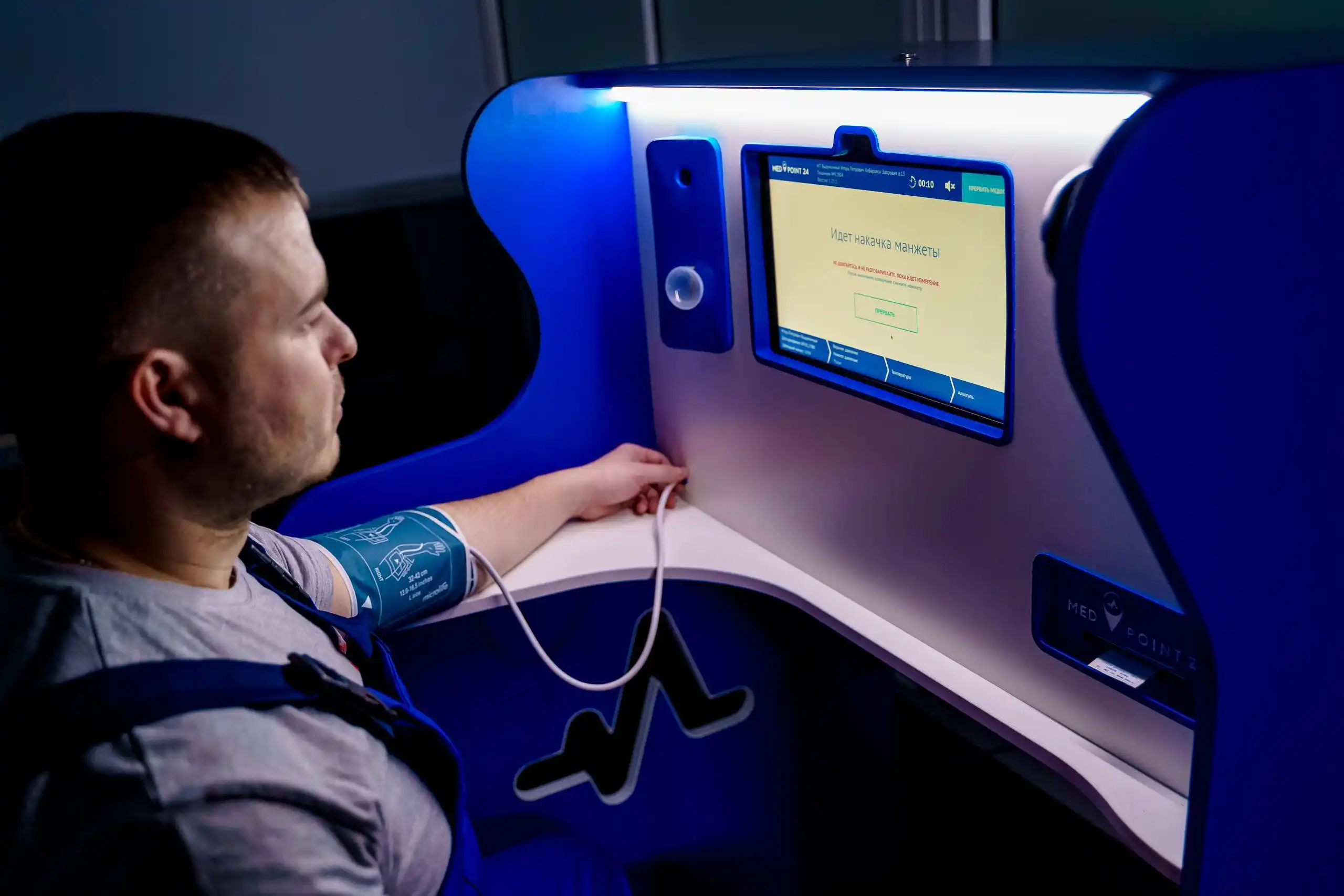
Remote monitoring is one of the most valuable features of telehealth. It allows healthcare providers to track certain health information without requiring frequent in-person visits.
Depending on the situation, remote monitoring may involve tracking:
Blood pressure
Blood sugar levels
Heart-related measurements
Weight changes
Daily health patterns
This information can help healthcare providers better understand a patient’s progress and make informed recommendations.
For patients, monitoring can also create greater awareness of their own health habits.
Telehealth Helps Patients Become More Educated About Their Health
Another hidden benefit of telehealth is education.
Many people leave traditional medical appointments with unanswered questions because visits can feel rushed. Telehealth platforms often provide additional opportunities for patients to ask questions, understand recommendations, and learn more about their health.
Health education helps people make better decisions about:
Nutrition
Exercise
Medication use
Lifestyle changes
Preventive care
When patients understand their health, they become active participants instead of simply receiving instructions.
The Role of Telehealth in Weight Management and Wellness
Telehealth has become increasingly popular in wellness programs, especially for people seeking support with weight management and healthier lifestyles.
Many weight management journeys require more than one appointment. People often need guidance, accountability, education, and adjustments over time.
Telehealth can provide support through:
Nutrition conversations
Lifestyle coaching
Progress tracking
Health evaluations
Ongoing check-ins
This approach recognizes that health goals are personal and often require consistent support.
Instead of feeling alone during a health journey, patients can have access to professional guidance throughout the process.
Telehealth and Mental Wellness Support
Healthcare is not only about physical health. Mental wellness is another area where telehealth has created new opportunities.
Virtual healthcare options can make mental health support easier to access for people who may feel uncomfortable visiting a clinic or who have limited options nearby.
Telehealth can support:
Stress management
Mental health consultations
Behavioral support
Wellness education
By reducing barriers, telehealth helps make conversations about mental wellness more accessible.
Why Telehealth Is Helpful for Busy Modern Lifestyles
Modern life is demanding. Many people want to prioritize their health but struggle to find time for appointments.
Travel time, waiting rooms, and scheduling conflicts can make healthcare feel difficult to manage.
Telehealth fits into modern lifestyles because it provides flexibility.
A virtual appointment can often be completed without taking an entire day away from work, family responsibilities, or daily routines.
This convenience encourages people to stay consistent with healthcare instead of delaying important conversations.
Building a Stronger Patient-Provider Relationship Through Digital Care
Some people worry that telehealth creates distance between patients and healthcare providers. However, many patients find that digital healthcare can actually improve communication.
Regular check-ins and easier access can help create stronger connections.
Patients may feel more comfortable asking questions, sharing updates, and discussing concerns when communication is more convenient.
The relationship between patient and provider remains an important part of quality healthcare, whether it happens in person or digitally.
Telehealth Helps Create Personalized Healthcare Experiences
Everyone’s health journey is different. A treatment plan that works for one person may not work for another.
Telehealth supports personalized healthcare by allowing providers to better understand individual needs, goals, and challenges.
Personalized care may consider:
Lifestyle habits
Health history
Daily routines
Personal goals
Progress over time
This approach moves healthcare away from a one-size-fits-all model.
The Technology Behind the Future of Healthcare
The growth of telehealth is connected to advancements in healthcare technology.
Digital platforms, health apps, remote monitoring tools, and online communication systems continue to improve the patient experience.
The future of healthcare is likely to involve more integration between technology and personalized care.
Instead of replacing healthcare professionals, technology helps create more efficient ways for providers and patients to stay connected.
Challenges of Telehealth and What Patients Should Know
While telehealth offers many benefits, it is important to understand that it is not the right solution for every situation.
Some medical concerns require in-person examinations, testing, or emergency care.
Patients should also consider factors such as:
Internet access
Technology comfort
Privacy
Choosing qualified healthcare providers
Telehealth works best when it is used as part of a complete healthcare approach.
The Future of Telehealth: A More Connected Healthcare System
The future of healthcare is becoming more connected. Telehealth is helping create a system where patients have more access, more information, and more opportunities to manage their health.
As technology continues to improve, virtual healthcare may become an even more common part of everyday wellness.
The goal is not simply replacing traditional healthcare. The goal is creating more options for people to receive the support they need.
Final Thoughts: Telehealth Is More Than a Virtual Appointment
Telehealth represents a major change in how people approach healthcare. It is not just a video call with a doctor—it is a system designed to provide easier access, ongoing support, education, and personalized care.
The hidden benefits of telehealth are found in the connections it creates. Patients can stay informed, monitor their progress, and receive guidance throughout their health journey.
As healthcare continues to evolve, telehealth is proving that quality care can be more flexible, accessible, and connected than ever before.


Leave a Comment