
Fitness for Beginners: How to Start Your Healthy Journey Without Feeling Overwhelmed

Introduction: Starting Your Fitness Journey One Step at a Time
Beginning a fitness journey can feel exciting, but it can also feel intimidating. Many people want to become healthier, stronger, and more active but struggle with knowing where to start. With so much information available about workouts, diets, supplements, and fitness trends, beginners often feel overwhelmed before they even take their first step.
The truth is that starting a fitness routine does not require extreme workouts, expensive equipment, or major lifestyle changes overnight. Successful fitness journeys are built through small, consistent actions that gradually become healthy habits. Whether your goal is to improve energy levels, build strength, manage weight, or simply feel better in your everyday life, the most important step is creating a routine that fits your lifestyle.
Fitness for beginners is about learning how to move your body, understand your needs, and create realistic goals that you can maintain long term. Instead of focusing only on quick results, beginners should focus on developing a healthier relationship with exercise, nutrition, and self-care.
Understanding the Right Mindset Before Starting Fitness
One of the biggest challenges beginners face is developing the right mindset. Many people begin their fitness journey with unrealistic expectations, believing they need to completely transform their body in a short amount of time. This pressure can lead to frustration and disappointment when progress does not happen immediately.
A sustainable fitness journey starts with understanding that progress takes time. Building strength, improving endurance, and creating healthy habits are gradual processes. The goal is not perfection but consistency.
A beginner should focus on what they can do today instead of comparing themselves to people who have been training for years. Everyone starts somewhere, and every workout completed, every healthy meal chosen, and every positive decision contributes to long-term progress.
Another important mindset shift is learning to view exercise as a form of self-care rather than punishment. Physical activity should not be something you force yourself to do because you feel guilty about your body. Instead, it should be a way to improve your health, increase confidence, reduce stress, and support your overall well-being.
Setting Realistic Fitness Goals That You Can Achieve
Goal setting is an important part of any fitness journey, especially for beginners. However, setting unrealistic goals can make the process more difficult. Many beginners focus only on appearance-based goals, such as losing a certain amount of weight quickly, without considering other important improvements.
A better approach is to create realistic and measurable goals. These goals can include exercising three times per week, walking more daily, improving flexibility, increasing strength, or building better eating habits.
Short-term goals can help create motivation while working toward larger objectives. For example, a beginner may start by completing a 20-minute workout three days per week. After building consistency, they can gradually increase workout time or intensity.
Long-term success comes from creating goals that match your current lifestyle. A fitness routine should support your life, not create unnecessary stress. When goals are realistic, they become easier to maintain and more rewarding to achieve.
Choosing the Best Exercises for Beginners
One of the most common questions beginners ask is, “What exercises should I start with?” The answer depends on your goals, fitness level, and personal preferences. The best beginner workout is one that you enjoy and can consistently follow.
Walking is one of the easiest ways to begin improving fitness. It requires no special equipment and can help improve cardiovascular health, energy levels, and daily movement. Beginners who have been inactive for a long time can start with short walks and gradually increase their distance and pace.
Strength training is another valuable option for beginners. Building muscle helps support metabolism, balance, posture, and everyday movement. Beginners do not need to start with heavy weights. Bodyweight exercises such as squats, lunges, push-ups, and modified strength movements can help build a strong foundation.
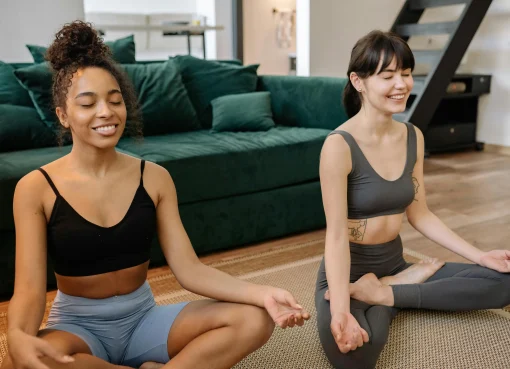
Flexibility and mobility exercises are also important. Stretching, yoga, and mobility routines can improve movement quality and help the body feel more comfortable during physical activity.
A balanced fitness routine often includes a combination of strength training, cardiovascular exercise, and flexibility work. This approach helps create overall fitness instead of focusing on only one area.
Creating a Sustainable Beginner Workout Routine
Consistency is more important than intensity when starting a fitness routine. Many beginners make the mistake of doing too much too quickly. They may start with intense workouts every day, become exhausted, and eventually lose motivation.
A sustainable routine allows your body to adjust gradually. Beginners can start with two to four workout sessions per week depending on their schedule and fitness level. Rest days are also important because recovery allows muscles to repair and become stronger.
A simple beginner routine might include strength training sessions, walking days, and active recovery activities. The exact schedule is less important than creating a habit that feels manageable.
The best workout routine is one that you can continue even during busy weeks. Life will always have challenges, but having a flexible approach makes it easier to stay consistent.
The Importance of Nutrition in a Beginner Fitness Journey
Exercise is only one part of improving health. Nutrition plays an important role in supporting energy, recovery, and overall fitness progress. Beginners do not need complicated diets to start eating healthier. Instead, they can focus on balanced meals that provide important nutrients.
Protein is essential for supporting muscle repair and recovery. Foods such as eggs, fish, lean meats, beans, dairy products, and plant-based protein sources can help support an active lifestyle.
Carbohydrates provide energy for workouts, while healthy fats support important body functions. Eating a variety of whole foods helps provide the nutrients needed to fuel daily activities.
Healthy eating does not mean removing all enjoyable foods. A sustainable approach allows flexibility and balance. Finding ways to make meals flavorful and satisfying can make healthy eating easier to maintain.
For those looking to add more flavor to nutritious meals, products like Skinii® Delight Delicious Seasoning can be a helpful addition to a balanced lifestyle. It can help enhance meals while supporting the idea that healthy food choices can still be enjoyable and satisfying. You can learn more about the featured product here: Skinii® Delight – Delicious Seasoning (4oz)

Building Healthy Habits Outside of Exercise
Fitness is not only about workouts. Daily habits outside the gym also influence progress. Sleep, hydration, stress management, and daily movement all contribute to overall health.
Getting enough sleep allows the body to recover and supports energy levels. Poor sleep can make workouts feel more difficult and may affect motivation. Creating a consistent sleep routine can help support fitness goals.
Hydration is another important habit. Water helps support normal body functions and can improve how you feel during physical activity. Drinking enough fluids throughout the day is especially important when increasing exercise levels.
Managing stress is also part of a healthy lifestyle. Stress can affect motivation, eating habits, and overall well-being. Activities such as meditation, breathing exercises, spending time outdoors, or engaging in hobbies can help create balance.
Small lifestyle improvements combined with regular exercise can create meaningful changes over time.
Overcoming Common Beginner Fitness Challenges
Every fitness journey comes with challenges. Beginners may experience a lack of motivation, busy schedules, soreness, or uncertainty about whether they are making progress.
One way to overcome these challenges is to focus on creating routines rather than relying only on motivation. Motivation can change from day to day, but habits create consistency.
Another challenge is comparing yourself to others. Social media often shows advanced fitness journeys without showing the years of effort behind them. Everyone has a different starting point, and progress should be measured based on personal improvement.
Beginners should also remember that rest is not failure. Recovery is an important part of becoming stronger. Listening to your body and adjusting your routine when needed can help prevent burnout.
How to Stay Motivated Throughout Your Fitness Journey
Long-term fitness success comes from finding ways to stay engaged and inspired. Tracking progress can help beginners recognize improvements that may not always be visible. This can include increased energy, better mood, improved strength, or completing exercises that once felt difficult.
Celebrating small victories is also important. Completing your first week of workouts, increasing your walking distance, or preparing healthier meals are all achievements worth recognizing.
Finding enjoyable activities can make fitness easier to maintain. Some people enjoy strength training, while others prefer dancing, hiking, swimming, cycling, or group classes. Movement should feel rewarding, not like a chore.
Creating a supportive environment can also improve consistency. Sharing goals with friends, joining fitness communities, or working with a trainer can provide encouragement and accountability.
Final Thoughts: Building a Healthier Future Through Consistent Actions
Starting a fitness journey does not need to feel overwhelming. The most successful beginners are not those who make the biggest changes overnight, but those who create small habits that they can maintain over time.
Fitness is about improving your health, building confidence, and creating a lifestyle that helps you feel your best. By developing the right mindset, setting realistic goals, choosing enjoyable exercises, and supporting your body with balanced nutrition, you can create a foundation for long-term success.
Every journey begins with a single step. Whether that step is taking your first walk, completing your first workout, or making a healthier meal choice, each decision moves you closer to becoming a stronger and healthier version of yourself.
A beginner fitness journey is not about being perfect. It is about showing up, learning along the way, and building habits that support a healthier future. With patience, consistency, and a positive approach, anyone can begin creating lasting changes that improve both physical and overall wellness.


Leave a Comment