
How Telehealth Is Helping Patients Get Faster Access to Specialists
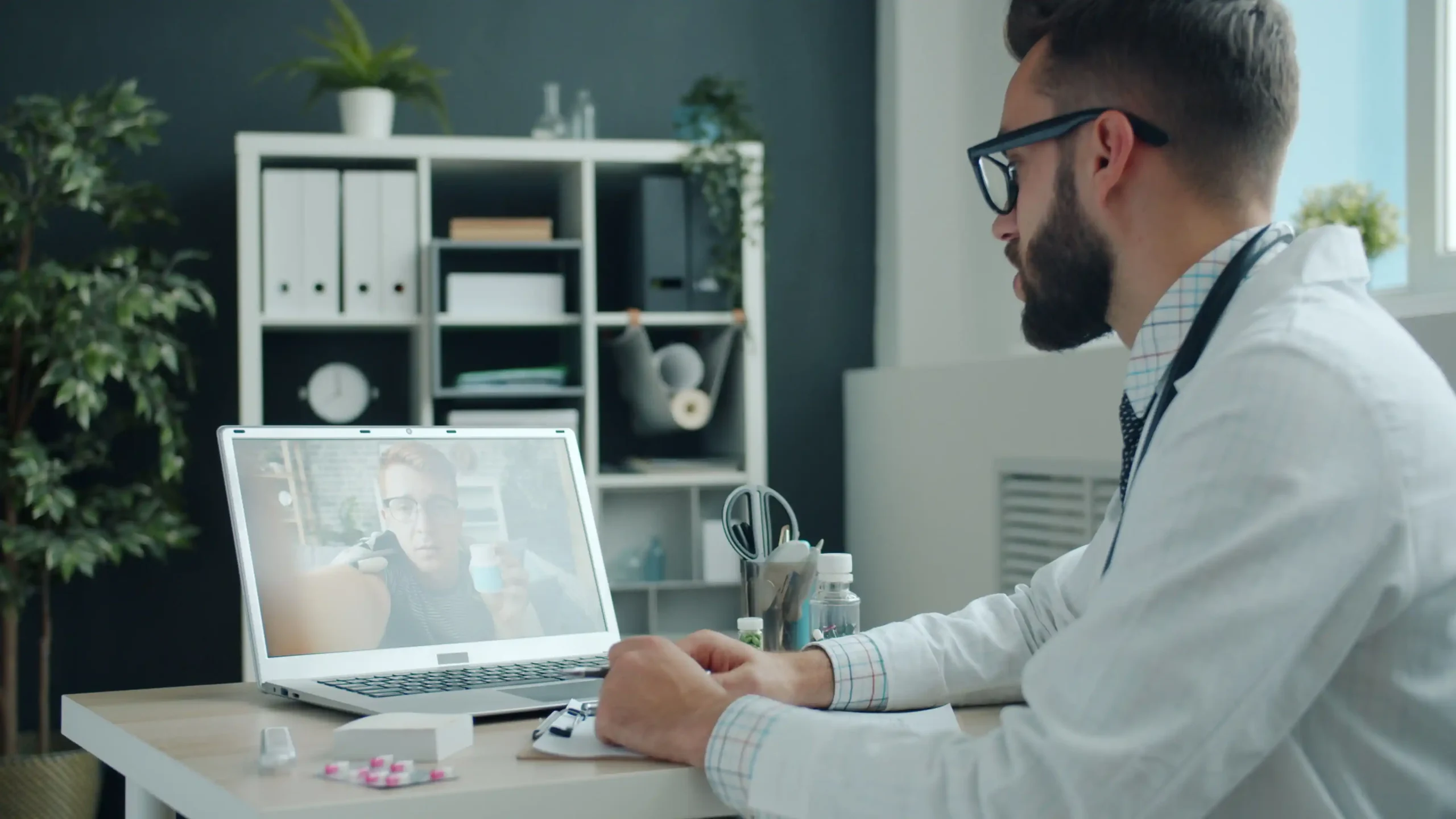
For many patients, seeing a medical specialist can feel like a long and complicated process. A primary care appointment may be followed by a referral, weeks of waiting, travel to another city, paperwork, and another appointment before a patient finally gets the specialized care they need. For people living in rural communities, those challenges can be even greater because specialists may be located hours away. Telehealth is changing that experience by making it possible for patients to connect with qualified healthcare professionals through computers, smartphones, and other connected devices.
The growth of telehealth has made healthcare more accessible and convenient, particularly when patients need specialized advice but do not necessarily need to be physically examined. Instead of always traveling to a specialist’s office, patients can participate in virtual consultations from home, work, or another convenient location. This can reduce some of the traditional barriers to specialist care and help healthcare systems manage appointments more efficiently.
As digital healthcare continues to evolve, telehealth is becoming an important part of the modern patient journey. From dermatology and mental health to cardiology, endocrinology, neurology, and other specialties, virtual consultations can provide patients with another pathway to professional medical advice. While telehealth does not replace every in-person appointment, it can make certain types of specialist care faster and easier to access.
Why Accessing Specialists Has Traditionally Been Difficult
Specialist healthcare often requires more coordination than a standard medical appointment. A patient may first need to visit a primary care provider, explain their symptoms, receive a referral, and then wait for the specialist’s office to contact them. Depending on the healthcare system and the patient’s location, this process can take days or even weeks.
Geography is another major obstacle. Specialists tend to be concentrated in larger cities and medical centers, leaving people in rural or underserved areas with fewer choices. A patient who needs to see a dermatologist, neurologist, cardiologist, or another specialist may have to travel a significant distance just for a consultation.
Transportation can create another barrier. Patients without reliable vehicles, people who cannot easily take time away from work, older adults, and parents managing childcare may struggle to attend appointments. Even when a specialist is available, the practical requirements of getting to the appointment can discourage patients from seeking care.
Telehealth addresses some of these challenges by removing the need for travel in situations where an in-person examination is not essential. A patient may be able to speak with a specialist virtually without spending hours on the road or arranging transportation.
How Telehealth Connects Patients With Specialists
At its simplest, telehealth allows healthcare providers and patients to communicate remotely using digital technology. A virtual specialist appointment may involve a video consultation, secure messaging, telephone communication, or the exchange of medical information through a digital healthcare platform.
The process can begin when a primary care provider determines that a specialist’s opinion would be helpful. In some healthcare systems, referrals can be sent electronically, allowing relevant medical records and test results to reach the specialist without relying entirely on paper documents.
The specialist can then review the available information before meeting the patient virtually. During the appointment, the specialist can discuss symptoms, medical history, medications, previous test results, and other relevant information. Depending on the condition, the specialist may provide recommendations, request additional testing, adjust a treatment plan, or determine that an in-person examination is necessary.
This flexibility can make the overall healthcare process more efficient. Instead of automatically requiring every patient to travel to a specialist’s office, telehealth can help determine which patients genuinely need an in-person visit and which concerns can be addressed remotely.
Reducing Geographic Barriers to Specialized Care
One of the most important benefits of telehealth is its ability to connect patients with specialists who may not be available in their local community. This can be particularly valuable for people living in rural and remote areas.
Imagine a patient who lives several hours from the nearest medical center and needs an initial consultation with a specialist. Without telehealth, that patient might need to take a full day off work, arrange transportation, travel a long distance, and spend additional money on transportation and other expenses.
With a virtual appointment, some of those burdens can disappear. The patient can potentially meet with the specialist from a local clinic or from home, depending on the circumstances and available technology.
This does not mean that telehealth eliminates geographic disparities completely. Reliable internet access, digital devices, technology skills, and local healthcare infrastructure remain important factors. However, virtual care can create additional options for patients who previously had limited access to specialists.
Faster Initial Specialist Consultations
Telehealth can also help shorten the time between a referral and an initial specialist consultation. When a specialist can see patients virtually, appointments do not always have to be limited by the physical capacity of an office.
A traditional appointment requires a physical examination room, staff availability, and the patient’s ability to travel to the facility. A virtual consultation can remove some of those logistical limitations.
For certain medical concerns, an initial virtual appointment may be enough for the specialist to understand the patient’s situation and determine the next step. In other cases, the virtual consultation can serve as an early screening appointment before an in-person examination or procedure.
This distinction is important because faster access does not necessarily mean skipping steps in medical care. Instead, telehealth can help move patients through the appropriate steps more efficiently.
Telehealth Can Make Specialist Referrals More Efficient
The referral process is another area where digital healthcare can make a difference. Traditional referrals may involve phone calls, faxed documents, paperwork, and multiple points of communication. These steps can sometimes create delays or lead to missing information.
Electronic referrals and digital medical records can make it easier for healthcare professionals to share relevant information. A specialist may receive details about a patient’s symptoms, medical history, medications, laboratory results, imaging, and previous treatments before the appointment.
Having that information in advance can allow the specialist to prepare for the consultation. It may also help identify what additional information or testing is needed.
For patients, better coordination can mean fewer repetitive appointments and less time spent explaining the same medical history to different healthcare providers.
Expanding Access to Specialized Mental Health Care
Mental health is one area where telehealth has become particularly important. Patients seeking specialized mental health services may face long waiting lists, limited local availability, or concerns about traveling to a clinic.
Virtual mental health appointments can allow patients to connect with psychologists, psychiatrists, therapists, and other qualified professionals remotely. For some people, receiving care from a familiar environment may also feel more comfortable than visiting an unfamiliar healthcare facility.
Telehealth can be especially useful when a patient needs ongoing appointments. Instead of repeatedly traveling long distances for follow-up consultations, patients may be able to complete some appointments virtually when clinically appropriate.
However, mental healthcare delivered through telehealth still requires appropriate professional standards, privacy protections, and careful assessment of whether virtual treatment is suitable for the individual patient.
Specialists Can Use Telehealth for Follow-Up Care
Telehealth is not only useful for the first specialist appointment. It can also simplify follow-up care.
After an initial consultation, some patients need regular check-ins to monitor symptoms, discuss treatment progress, review test results, or make adjustments to a care plan. Not every follow-up requires a physical examination.
A virtual appointment can sometimes provide an efficient way for a specialist to check on a patient’s progress. This can reduce unnecessary travel and make it easier for patients to remain connected with their healthcare team.
For chronic conditions that require long-term management, this convenience can be especially valuable. Patients may have several healthcare appointments throughout the year, and reducing unnecessary travel can make ongoing care easier to manage.
The Role of Remote Patient Monitoring
Telehealth is also becoming more connected to remote patient monitoring. Instead of relying solely on what patients report during an appointment, healthcare providers may use information collected through connected medical devices and wearable technology.
Depending on the condition and healthcare setting, remote monitoring can involve measurements such as blood pressure, blood glucose, heart rate, weight, or other health information. The data can potentially give specialists a broader picture of a patient’s condition between appointments.
This technology may allow healthcare teams to identify changes that require attention and determine whether a patient needs additional evaluation. It can also support ongoing management without requiring the patient to visit a medical facility every time information needs to be reviewed.
Remote monitoring is not appropriate for every patient or condition, and the technology should be used under appropriate medical supervision. Still, its combination with telehealth represents an important development in connected healthcare.
Telehealth Can Help Specialists Reach More Patients
The benefits of telehealth are not limited to patients. Specialists can also use virtual care to expand the number of people they can serve.
A specialist working in a major medical center may be able to provide virtual consultations to patients who live outside the immediate area. This can help extend specialized expertise to communities where certain professionals are scarce.
Telehealth can also support collaboration between healthcare providers. A local doctor may consult with a specialist about a patient’s case without requiring the patient to immediately travel to another facility.
This type of collaboration can be particularly useful when a local healthcare provider needs specialized input to determine the best next step for a patient.
When Telehealth Is Not Enough
Despite its advantages, telehealth is not a replacement for traditional medical care. Some conditions require a physical examination, diagnostic testing, imaging, procedures, or emergency treatment that cannot be performed remotely.
For example, a specialist may begin with a virtual consultation but determine that the patient needs to visit a clinic or hospital for further evaluation. In these situations, telehealth can still play a useful role by serving as the first step in the care process.
Patients should also understand that online consultations are not appropriate for medical emergencies. Severe symptoms or potentially life-threatening conditions require immediate in-person medical attention or emergency services.
The goal of telehealth is not to make every healthcare interaction virtual. Instead, it is to use technology where it can improve access, convenience, communication, and continuity of care without compromising patient safety.
Privacy and Security Remain Important
As more healthcare interactions move online, privacy and data security become increasingly important. Patients may share sensitive medical information during virtual appointments, making secure communication essential.
Healthcare providers and telehealth platforms need to follow applicable privacy and security requirements. Patients should also take reasonable precautions, such as using trusted devices, secure internet connections, and private environments when discussing personal health information.
Before using a telehealth service, patients should understand how the platform handles their information and what privacy protections are in place.
The Future of Telehealth and Specialist Care
Telehealth is likely to remain an important part of healthcare as technology continues to develop. Artificial intelligence, wearable devices, remote monitoring, electronic health records, and digital communication tools are creating new possibilities for how patients interact with healthcare professionals.
The future of telehealth may involve more personalized care, improved coordination between primary care providers and specialists, and better use of health information between appointments. Technology may also help healthcare systems identify which patients need urgent attention and which concerns can safely be managed through virtual care.
However, technology alone cannot solve every healthcare access problem. Reliable internet, affordable devices, digital literacy, healthcare workforce availability, and appropriate regulation will continue to influence who can benefit from telehealth.
The most effective healthcare model may ultimately be a combination of virtual and in-person services. Patients could use telehealth for initial consultations, follow-ups, medication discussions, and certain forms of monitoring while visiting healthcare facilities when physical examinations, procedures, or diagnostic tests are necessary.
What Telehealth Means for Patients
For patients, the biggest advantage of telehealth may be simple: easier access to the right healthcare professional at the right time.
A virtual specialist consultation can reduce travel, simplify scheduling, support faster communication, and make healthcare more accessible to people who face geographic or practical barriers. It can also make ongoing specialist care more manageable for patients who need regular follow-ups.
At the same time, patients should not assume that every medical issue can be handled online. The right approach depends on the patient’s symptoms, medical history, condition, and the judgment of qualified healthcare professionals.
Telehealth works best when it complements traditional healthcare rather than attempting to replace it completely.
Conclusion
Telehealth is changing how patients access specialized healthcare by making distance and scheduling less of a barrier. From faster initial consultations and more efficient referrals to convenient follow-up appointments and remote monitoring, virtual healthcare can create new pathways between patients and specialists.
For people living far from major medical centers, the impact can be especially significant. Instead of automatically traveling long distances for every consultation, patients may have the option to connect with specialists remotely when appropriate.
The continued development of telehealth could make specialist care more connected, flexible, and patient-centered. While virtual healthcare cannot replace every in-person medical service, it offers an increasingly valuable tool for helping patients reach specialized expertise when and where they need it.
As healthcare continues to embrace digital technology, the question may no longer be whether telehealth has a place in specialist care, but how healthcare providers can use it responsibly to give more patients timely access to quality medical expertise.


Leave a Comment