
The Balanced Diet Guide: How to Eat Healthy Without Giving Up the Foods You Love

Eating healthy does not have to mean giving up everything you enjoy. In fact, one of the biggest misconceptions about healthy eating is that a good diet has to be extremely restrictive, complicated, or boring. A balanced diet is not about eliminating your favorite foods or following a perfect meal plan every day. It is about learning how to give your body the nutrients it needs while still making room for foods you genuinely enjoy.
A healthy diet can include vegetables, fruits, protein, whole grains, healthy fats, and carbohydrates, along with the occasional dessert, restaurant meal, or favorite comfort food. The goal is not perfection. The goal is balance. When you understand how to build balanced meals, manage portions, choose nutritious foods, and enjoy treats without guilt, healthy eating becomes much easier to maintain over time.
What Is a Balanced Diet?
A balanced diet is an eating pattern that provides your body with a variety of nutrients from different types of foods. Instead of focusing on one specific food or eliminating an entire food group, balanced eating is about combining different foods to create satisfying and nourishing meals.
A healthy diet generally includes vegetables and fruits, protein-rich foods, carbohydrates, healthy fats, and foods that provide important vitamins, minerals, and fiber. Water and other nutritious beverages also play an important role in overall nutrition.
The key word is variety. Eating the same “healthy” meal every day may sound disciplined, but your body benefits from getting nutrients from a wide range of foods. Different vegetables provide different vitamins and minerals, while different sources of protein and healthy fats can help keep meals interesting.
A balanced diet also leaves room for flexibility. You do not need to eat perfectly at every meal to have a healthy lifestyle. What matters more is the overall pattern of your eating habits.
The Importance of Building Balanced Meals
One of the easiest ways to improve your diet is to stop thinking about individual foods and start thinking about complete meals. A balanced meal usually combines several components that work together to provide nutrition, satisfaction, and lasting energy.
For example, a simple lunch might include grilled chicken, brown rice, mixed vegetables, and avocado. Another meal could be eggs with whole-grain toast, tomatoes, and fruit. A vegetarian meal might combine beans, quinoa, roasted vegetables, and a healthy dressing.
The idea is not to create complicated recipes. It is simply to include a combination of nutrients in your meals. Protein can help make a meal more satisfying, carbohydrates can provide energy, vegetables and fruits contribute vitamins, minerals, and fiber, while healthy fats can add flavor and help make meals more filling.
Once you understand this basic formula, eating healthy becomes less about following strict rules and more about making practical choices.
Protein Belongs in a Balanced Diet
Protein is an important part of a balanced diet because it plays a role in maintaining and repairing body tissues and is an important component of a satisfying meal. Good sources include eggs, chicken, turkey, fish, seafood, lean meats, Greek yogurt, cottage cheese, beans, lentils, tofu, and other plant-based protein sources.
Including protein at meals can also make it easier to stay satisfied between meals. Instead of having a breakfast that consists mainly of refined carbohydrates, for example, you might combine eggs with whole-grain toast and fruit. A yogurt bowl can include Greek yogurt, berries, nuts, and seeds.
Protein does not have to mean eating large portions of meat. Plant-based foods such as beans, lentils, nuts, seeds, and certain grains can contribute to your overall protein intake as well.
The goal is to find protein sources that fit your preferences and lifestyle so that getting enough protein becomes a normal part of your eating routine.
Do Not Be Afraid of Carbohydrates
Carbohydrates often get a bad reputation in diet culture, but they are not automatically unhealthy. Carbohydrates are found in fruits, vegetables, grains, beans, potatoes, rice, oats, bread, pasta, and many other foods.
Instead of eliminating carbohydrates completely, consider the quality and portion of the carbohydrates you choose. Foods such as oats, beans, whole grains, potatoes, fruits, and vegetables can provide carbohydrates along with other nutrients and fiber.
The amount of carbohydrates someone needs can vary depending on individual factors, including activity level and overall dietary needs. Someone who exercises regularly may have different energy requirements from someone with a mostly sedentary routine.
Healthy eating does not require you to fear an entire food group. It is more useful to learn how different foods fit into your overall diet.
Add More Vegetables and Fruits
Vegetables and fruits are an important part of a healthy diet because they provide vitamins, minerals, fiber, and other naturally occurring compounds that contribute to overall nutrition.
You do not need to force yourself to eat plain salads every day. There are countless ways to make vegetables more enjoyable. Try roasting vegetables with herbs and spices, adding spinach to eggs, blending fruit into smoothies, making colorful grain bowls, or adding vegetables to soups, pasta dishes, and stir-fries.
Fruit can also be a simple addition to meals and snacks. Berries can be added to yogurt or oatmeal, bananas can be paired with peanut butter, and apples can become an easy snack when combined with nuts or cheese.
If you currently eat very few fruits and vegetables, start small. Adding one extra serving to your day is more realistic than trying to completely change your diet overnight.
Healthy Fats Have a Place on Your Plate
Fat is another nutrient that is sometimes misunderstood. Not all fats should be treated the same, and healthy eating does not mean eliminating fat from your meals.
Foods such as avocados, nuts, seeds, olives, and certain plant oils can provide unsaturated fats and add flavor and satisfaction to meals. Fat also helps the body absorb certain fat-soluble vitamins.
Portion awareness still matters because fats are energy-dense, but that does not make them unhealthy. A small amount of avocado on toast, nuts added to oatmeal, or olive oil used in cooking can be part of a balanced eating pattern.
The goal is not to remove fat. It is to choose nourishing sources and use them in portions that work for your overall dietary needs.
Fiber Is an Important Part of Healthy Eating
Fiber is another reason variety matters in a balanced diet. Fiber is naturally found in foods such as vegetables, fruits, beans, lentils, whole grains, nuts, and seeds.
One simple way to add more fiber to your meals is by incorporating seeds into foods you already enjoy. For example, Skinii® Chia Seeds can be added to smoothies, oatmeal, yogurt, puddings, or baked recipes. According to the product information, the chia seeds provide 12 grams of fiber and 5 grams of protein per serving and can be soaked, sprinkled, blended, or baked into different foods.
You can find the Skinii® Chia Seeds – 12oz Superfood Pouch here.
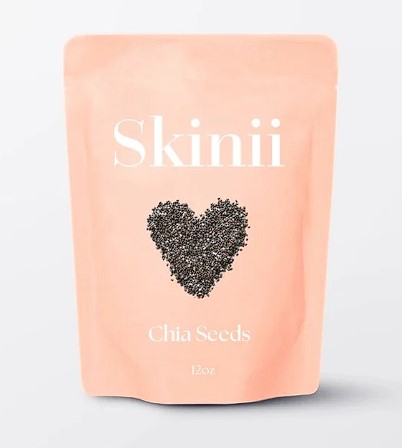
Adding nutritious ingredients to meals you already enjoy can be much easier to maintain than completely changing the way you eat.
Portion Awareness Is Different From Restrictive Eating
Portion awareness is about understanding how much food you are eating without turning every meal into a mathematical calculation. It can help you enjoy a variety of foods while paying attention to how much your body actually needs.
For example, instead of telling yourself that you can never eat pasta, you can enjoy a reasonable portion of pasta alongside vegetables and a protein source. Instead of avoiding dessert completely, you can have a smaller serving and enjoy it without feeling like you have failed.
There is an important difference between being aware of portions and becoming obsessed with restricting food. A healthy relationship with food allows flexibility.
Your appetite can also change from day to day. Some days you may naturally feel hungrier, especially after physical activity, while other days you may need less food. Learning to pay attention to hunger and fullness can be a useful part of developing healthier eating habits.
You Can Enjoy Your Favorite Foods
One of the biggest advantages of a balanced diet is that your favorite foods do not have to disappear.
Pizza, burgers, pasta, chocolate, ice cream, pastries, and other treats can still have a place in a healthy lifestyle. Eating one enjoyable meal does not undo all of your healthy habits.
The problem often begins when people label foods as completely “good” or “bad.” Once a food becomes forbidden, it can become even more tempting. This can create an unhealthy cycle of restriction, cravings, overeating, and guilt.
Instead, try thinking about foods in terms of frequency and balance. Some foods may be everyday staples because they provide important nutrients. Other foods may be enjoyed occasionally because they are mainly about pleasure.
Food can serve both purposes. It can nourish you and bring you enjoyment.
Healthy Eating Does Not Have to Be Expensive
Another common misconception is that eating healthy requires buying expensive specialty foods. While certain health-focused products can be costly, many nutritious foods are affordable.
Eggs, beans, lentils, oats, rice, potatoes, frozen vegetables, bananas, seasonal produce, canned fish, and plain yogurt can all be useful ingredients for creating balanced meals.
Meal planning can also help reduce unnecessary spending. Before grocery shopping, think about a few meals you can prepare during the week and choose ingredients that can be used in multiple dishes.
For example, cooked chicken can be used for salads, wraps, rice bowls, or sandwiches. Vegetables can be added to omelets, soups, stir-fries, and pasta. This approach makes healthy eating more practical and reduces the pressure to cook a completely different meal every day.
A Balanced Diet Is About Your Overall Pattern
You do not need to have a perfect breakfast, lunch, and dinner every single day. One meal does not define your health.
Maybe you had a healthy breakfast but ordered takeout for dinner. Maybe you went to a birthday celebration and enjoyed cake. Maybe you had a busy day and grabbed something convenient instead of cooking.
That is life.
Healthy eating is not about making every decision perfectly. It is about what you do consistently over time. If most of your meals include nutritious foods and you regularly make choices that support your well-being, an occasional indulgence does not erase that pattern.
This is one of the reasons sustainable eating habits are more realistic than extremely restrictive diets.
How to Start Eating a More Balanced Diet
If your current diet feels unbalanced, you do not need to change everything at once. Start with one or two realistic habits.
You might begin by adding vegetables to one meal each day. You could make breakfast more filling by adding protein. You could replace some sugary drinks with water. You might start keeping fruit, yogurt, nuts, or other nutritious snacks available at home.
Another simple approach is to look at your usual meals and ask what might be missing. Does the meal contain a source of protein? Could you add vegetables or fruit? Would a whole-grain carbohydrate work better? Could you add a small amount of healthy fat?
These small questions can gradually change the way you build meals without making healthy eating feel overwhelming.
Healthy Eating Should Still Be Enjoyable
A diet that makes you miserable is unlikely to be sustainable. Food is part of celebrations, family traditions, travel, social events, culture, and everyday life. A healthy lifestyle should leave room for those experiences.
Instead of asking, “What foods am I not allowed to eat?” try asking, “How can I make this meal more balanced?”
That small change in mindset can make a big difference. You can enjoy pasta while adding vegetables and protein. You can have dessert after a nutritious meal. You can order your favorite restaurant dish and simply pay attention to your portion. You can enjoy a weekend meal with friends without spending the next day trying to compensate for it.
Healthy eating should support your life, not take it over.
Final Thoughts: A Balanced Diet Is About Balance, Not Perfection
The healthiest diet is not necessarily the one with the longest list of rules. A balanced diet is about variety, moderation, nourishment, and flexibility. It gives your body important nutrients while allowing you to enjoy the foods that make eating pleasurable.
Focus on building balanced meals with protein, vegetables, fruits, carbohydrates, healthy fats, and fiber-rich foods. Pay attention to portions without turning food into something you constantly have to fear or restrict. Choose nutritious foods most of the time, but give yourself permission to enjoy treats without guilt.
Most importantly, remember that healthy eating is a long-term habit, not a short-term challenge. You do not have to eat perfectly to make progress. You simply need to keep making choices that support your health while leaving room for real life.
A balanced diet should give you nourishment, satisfaction, and flexibility. When healthy eating becomes something you can actually enjoy and maintain, it stops feeling like a diet and becomes part of a healthier way of living.
Leave a Comment