
Wellness Beyond Weight Loss: What Being Healthy Really Means
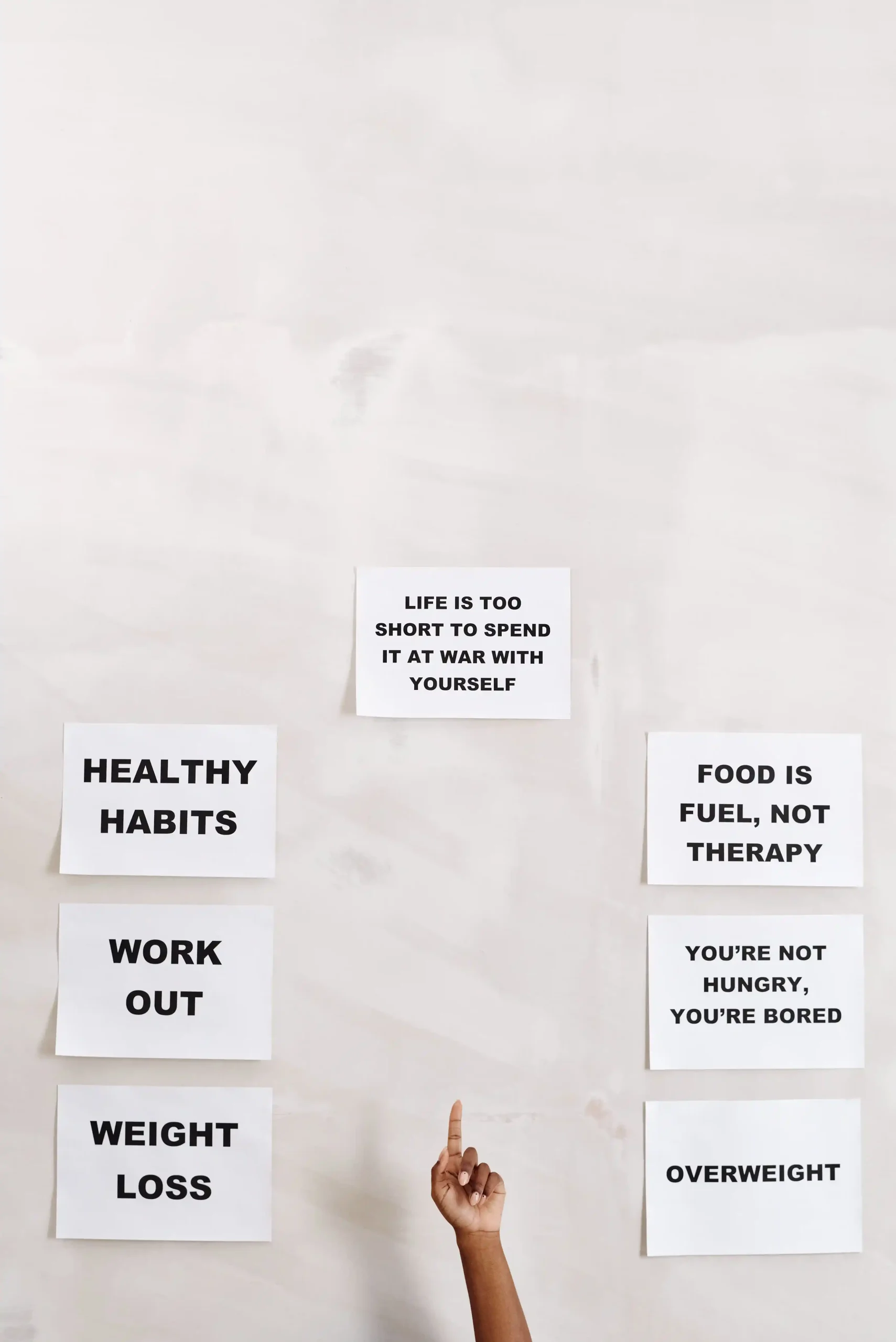
For many years, the idea of being healthy has been closely connected to one number: the number on the scale. Weight loss programs, fitness trends, diets, and social media transformations often make it seem as though becoming healthier simply means becoming smaller. But real wellness is much bigger than weight loss. Being healthy is not only about how much you weigh or what size clothes you wear. It is also about how you feel, how well you sleep, how much energy you have, how strong and capable your body feels, how you manage stress, what you eat, and how connected you feel to the people and activities that matter to you.
This broader approach is sometimes described as holistic wellness, where different parts of health work together to support overall well-being. A healthy lifestyle can include nutritious food, regular physical activity, sufficient sleep, emotional support, meaningful relationships, stress management, preventive healthcare, and habits that improve your quality of life.
Weight can be one piece of the health picture, but it is not the entire picture.
What Does Being Healthy Really Mean?
Being healthy does not look exactly the same for everyone. People have different bodies, lifestyles, genetics, responsibilities, health histories, and personal circumstances. Because of this, there is no single appearance that defines health.
A person can focus on improving their health without making weight loss their primary goal. They might want to have more energy during the day, become stronger, sleep better, improve their eating habits, reduce stress, or feel more comfortable participating in everyday activities.
Health is also not something that can be measured by appearance alone. Someone may look fit but struggle with poor sleep or chronic stress, while another person may not have a stereotypically “fit” appearance but have healthy habits and good physical functioning.
This is why wellness beyond weight loss is such an important concept. Instead of asking only, “How much weight did I lose?” you can also ask, “How do I feel? What can my body do? Am I taking care of myself? Am I sleeping well? Do I have enough energy for the things I enjoy?”
Those questions can provide a much broader picture of well-being.
Energy Is an Important Part of Wellness
Energy can have a major influence on everyday quality of life. When you have enough energy, ordinary activities can feel more manageable. You may have more patience, concentration, motivation, and ability to participate in work, family activities, exercise, hobbies, and social life.
Constant exhaustion, on the other hand, can affect nearly every part of your day.
Of course, tiredness can have many causes, including insufficient sleep, stress, lifestyle factors, medications, and underlying health conditions. If fatigue is persistent or concerning, it is important to discuss it with a healthcare professional rather than assuming that you simply need to lose weight or exercise more.
From a wellness perspective, however, having sustainable energy is a useful goal. Instead of choosing habits simply because they promise a smaller body, consider whether they help you feel stronger, more energized, and better equipped to handle your daily responsibilities.
A healthy lifestyle should support your life, not make it harder to live.
Strength Matters More Than a Number
Weight loss often gets more attention than strength, but physical strength is an important part of overall wellness.
Strength can make everyday activities easier. Carrying groceries, climbing stairs, playing with children, lifting objects, walking longer distances, and completing household tasks all require physical capability.
Strength training can also be adapted to different fitness levels. You do not necessarily need a complicated gym routine to begin developing strength. Depending on your health and fitness level, activities such as resistance exercises, bodyweight movements, or other forms of strength training may become part of a balanced exercise routine.
The goal does not have to be lifting the heaviest weight possible or achieving a particular body shape.
Sometimes the most meaningful progress is realizing that something that once felt difficult has become easier.
That is progress worth celebrating.
Sleep Is Part of a Healthy Lifestyle
Sleep is often overlooked when people talk about wellness. Many people focus on food and exercise while treating sleep as something they can sacrifice when life becomes busy.
But sleep plays an important role in overall health and daily functioning.
Adults generally need adequate sleep, although individual needs can vary. Sleep supports many aspects of well-being, including daytime alertness, mood, attention, and the ability to function effectively.
Improving sleep does not always require an elaborate nighttime routine. Simple habits can help, such as maintaining a relatively consistent sleep schedule, creating a comfortable sleeping environment, limiting stimulating activities before bed, and giving yourself enough time to sleep.
Of course, some people struggle with sleep because of work schedules, parenting responsibilities, stress, medical conditions, or other circumstances that cannot be solved simply by going to bed earlier.
The important point is that sleep deserves a place in your wellness goals.
If you are constantly exhausted, losing weight should not automatically be considered the solution. Sometimes your body may be asking for rest.
Nutrition Is About Nourishment, Not Punishment
Nutrition is another important part of wellness beyond weight loss. Yet conversations about food often become centered on restriction, calorie counting, or avoiding certain foods.
Healthy eating does not have to mean being afraid of food.
A balanced approach to nutrition focuses on giving your body the nutrients it needs. A healthy dietary pattern can include a variety of vegetables, fruits, whole grains, legumes, nuts, seeds, protein sources, and other nutritious foods according to individual needs and preferences.
Food also has a social and cultural role. Meals can bring families together, connect people with traditions, and provide enjoyment.
Instead of thinking about food only in terms of whether it will make you gain or lose weight, consider what it contributes to your overall well-being.
Does it give you energy? Does it provide important nutrients? Does it keep you satisfied? Does it fit into your lifestyle? Can you enjoy it without guilt?
A sustainable approach to nutrition is one that you can realistically maintain.
Exercise Should Help You Live Better
Exercise is often presented as a way to burn calories or change your appearance. While physical activity can have many health benefits, reducing exercise to calorie burning can make movement feel like punishment.
A different approach is to think about what movement allows your body to do.
Walking can help you explore your neighborhood. Strength training can help you become stronger. Yoga can provide a form of movement and flexibility. Dancing can be enjoyable and social. Swimming can be a way to stay active while doing something you enjoy.
The best exercise routine is often one that fits your lifestyle and that you are willing to continue.
You do not have to exercise every day or follow the latest fitness trend to care about your health. The goal is to find forms of movement that are appropriate for your body and circumstances.
If you have a medical condition, an injury, or concerns about beginning a new exercise program, a healthcare professional can help you determine what is appropriate.
Mental Well-Being Is Health, Too
Physical wellness is only one part of the bigger picture. Mental and emotional well-being also deserve attention.
Stress is a normal part of life, but constant or overwhelming stress can affect how you feel and function. Work, family responsibilities, financial concerns, relationships, major life changes, and many other experiences can contribute to emotional strain.
Taking care of your mental well-being may involve setting boundaries, making time for rest, connecting with supportive people, practicing relaxation techniques, spending time outdoors, journaling, pursuing hobbies, or speaking with a mental health professional.
There is no shame in asking for help.
In fact, recognizing when you need support can be an important part of a healthy lifestyle.
Your emotional health should not be treated as less important simply because it cannot be measured on a scale.
Relationships Are Part of Wellness
Wellness is also connected to relationships and social connection.
Humans need connection, support, and a sense of belonging. Positive relationships can provide emotional support during difficult times and create opportunities for laughter, conversation, encouragement, and shared experiences.
This does not mean that you need a huge social circle. A few healthy and supportive relationships can be meaningful.
Your wellness may improve when you make time for the people who make you feel respected, supported, and understood.
At the same time, setting boundaries is also part of healthy relationships. You do not have to maintain every relationship at the expense of your emotional well-being.
Protecting your peace can be a legitimate part of self-care.
Quality of Life Should Be Part of the Conversation
One of the biggest problems with focusing exclusively on weight is that it can make people forget the larger purpose of health.
The goal of wellness is not simply to achieve a particular number. The goal is to support a life that you can actually enjoy.
Can you keep up with your children? Can you walk comfortably? Can you participate in activities you love? Do you have enough energy for your responsibilities? Can you enjoy meals without constantly feeling guilty? Do you make time for people you care about? Can you take a day off without feeling like you have failed?
These questions are part of quality of life.
A healthy lifestyle should create space for living, not turn every day into a competition with your body.
Stop Treating Your Body Like a Project
It is easy to fall into the mindset that your body is a project that is never finished.
There is always another diet, another workout program, another transformation challenge, or another beauty trend promising to help you become “better.”
But your body is not a project that needs constant fixing.
It is the body that carries you through your everyday life.
You can want to improve your fitness without hating your current body. You can want to change your eating habits without believing that your body is bad. You can have health goals without making your self-worth dependent on achieving them.
This distinction matters.
Healthy habits are easier to sustain when they come from a place of caring for yourself rather than punishing yourself.
Wellness Goals Can Be Different From Weight-Loss Goals
If weight loss is one of your personal health goals, that is an individual decision that can be discussed with an appropriate healthcare professional. But it does not need to be the only measure of progress.
You can create wellness goals that have nothing to do with the scale.
You might aim to walk regularly, improve your sleep routine, eat more vegetables, drink more water, build strength, spend more time outdoors, reduce unnecessary stress, reconnect with friends, or make time for a hobby.
These goals can give you tangible ways to measure progress without constantly checking your weight.
You may discover that your health journey becomes more motivating when you focus on what your body can gain rather than what you think it needs to lose.
Small Healthy Habits Can Add Up
Wellness does not have to begin with a complete lifestyle transformation.
Sometimes it starts with one small change.
Maybe you start drinking more water. Maybe you take a short walk after work. Maybe you add more vegetables to your meals. Maybe you go to bed a little earlier. Maybe you spend ten minutes away from your phone. Maybe you finally make a healthcare appointment you have been postponing.
Small habits may seem insignificant individually, but they can become meaningful when they are repeated consistently.
The goal is not perfection.
You will have busy days. You will miss workouts. You will eat convenience food. You will sleep poorly sometimes. You will have stressful weeks.
That does not mean you have failed.
A healthy lifestyle is not built from perfect days. It is built from returning to healthy habits again and again.
You Do Not Have to Earn Rest
Another important part of wellness is learning that rest does not have to be earned.
Modern culture often celebrates being busy. People may feel guilty when they are not working, exercising, cleaning, studying, or accomplishing something.
But rest is part of a balanced life.
Taking time to sit quietly, read, enjoy a hobby, spend time with family, or simply do nothing can be valuable.
Rest can also help you recognize when you are pushing yourself too hard.
If your wellness routine leaves you exhausted, stressed, and obsessed with doing everything perfectly, it may be time to rethink the routine.
Health should support your quality of life rather than consume it.
A Healthier Definition of Success
Maybe it is time to change the way we define success in wellness.
Success does not always mean losing five pounds, fitting into a smaller size, or reaching a specific number on the scale.
Success can mean having more energy. It can mean becoming stronger. It can mean sleeping better. It can mean eating in a way that makes you feel nourished. It can mean having healthier relationships with food and exercise. It can mean managing stress more effectively. It can mean feeling comfortable participating in activities you enjoy.
Sometimes success is simply taking care of yourself during a difficult season of life.
These achievements may not be visible to anyone else, but they can make a meaningful difference in how you experience your everyday life.
Final Thoughts: Wellness Is Bigger Than Weight Loss
Wellness beyond weight loss means looking at health from a wider perspective.
Your weight can be one part of your health picture, but it does not tell the entire story. Energy, strength, sleep, nutrition, movement, mental well-being, relationships, preventive healthcare, and quality of life all deserve attention.
A healthy lifestyle should not make you feel like you are constantly failing. It should help you build habits that support your body and your life.
Instead of asking only how you look, ask how you feel. Instead of focusing only on what the scale says, pay attention to what your body can do. Instead of chasing perfection, look for sustainable habits that fit your real life.
You do not need to become a different person to be healthy.
You can start with the body you have, the life you are living, and one small healthy choice today.
Because true wellness is not simply about weighing less.
It is about living well.
Leave a Comment