
Tummy Tea for Bloating: Can Herbal Tea Really Help You Feel Less Bloated?
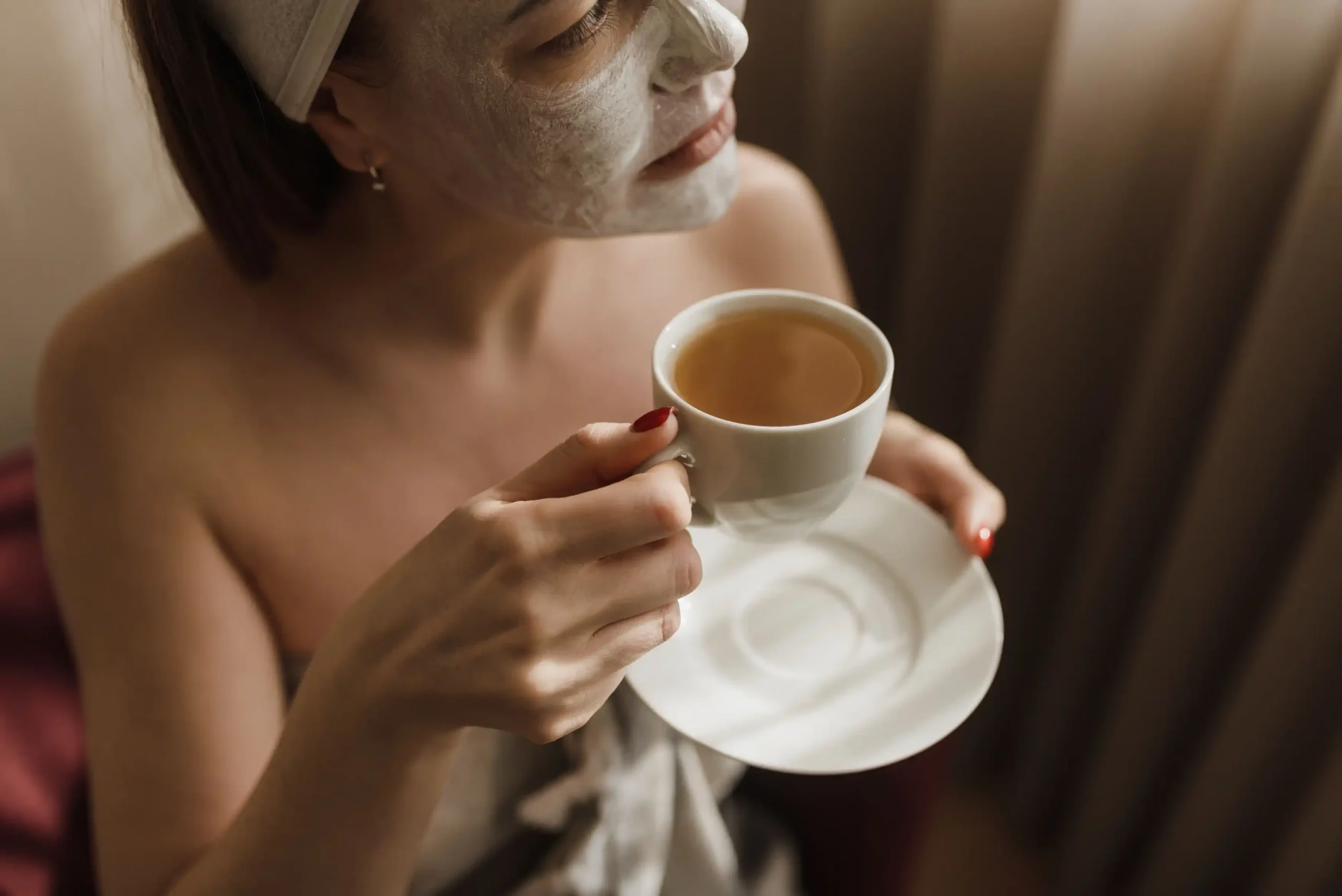
Feeling bloated after eating is something many people experience from time to time. Your stomach may feel unusually full, tight, or uncomfortable, and your clothes may even feel a little more snug than they did earlier in the day. While occasional bloating can be a normal part of digestion, it can also be frustrating when it becomes a recurring part of your daily routine. This is one reason herbal teas marketed for digestive wellness, including tummy tea, have become increasingly popular.
Tummy tea is often positioned as a simple addition to a wellness routine for people who want to support digestion and feel more comfortable after meals. Unlike heavily sweetened beverages, herbal teas can provide a warm, flavorful drink that fits easily into a daily routine. However, it is important to understand what tummy tea can realistically do, what ingredients may be included in a blend, and why bloating can happen in the first place.
For people considering tummy tea for bloating, the key is to approach it as part of an overall wellness routine rather than viewing it as a quick fix. Hydration, eating habits, physical activity, sleep, stress management, and individual food tolerance can all influence how your digestive system feels.
What Is Tummy Tea?
Tummy tea is a general term used for herbal tea blends designed around digestive and wellness routines. Unlike traditional black or green tea consumed primarily for flavor or caffeine, tummy tea blends may contain a combination of herbs, flowers, leaves, fruits, seeds, and other botanical ingredients.
The exact ingredients depend on the product. Some blends are designed around soothing herbal ingredients, while others contain botanicals traditionally used to support digestion or bowel regularity. Because formulas can vary significantly, it is important to read the ingredient label rather than assuming that every tummy tea works in the same way.
One example is Skinii Tummy Tea, which contains a blend of dried herbs and flowers including senna leaf, hawthorn fruit, cassia seed, green tea, five-leaf gynostemma, honeysuckle, lotus leaf, and honey flavorant. The combination gives the tea a distinctive botanical profile while making it suitable for people who enjoy incorporating herbal beverages into their wellness routine.
However, the presence of multiple herbs does not automatically mean that a tea will eliminate bloating or produce weight loss. Understanding the ingredients and using the product according to its directions is important.
Why Does Bloating Happen?
Before looking at whether tummy tea can help with bloating, it is useful to understand what bloating actually is.
Bloating can happen for many reasons. Eating too quickly, consuming large meals, drinking carbonated beverages, swallowing excess air, constipation, and sensitivity to particular foods can all contribute to a feeling of fullness or abdominal distension.
Certain foods can also cause more gas in some people than others. Beans, some vegetables, dairy products for people who are lactose intolerant, and certain high-fiber foods may contribute to digestive discomfort depending on individual tolerance.
Hormonal changes can also influence bloating. Some people notice that they feel more bloated at certain points during their menstrual cycle. Stress and changes in routine may also affect digestion.
This means that there is rarely one universal solution for bloating. What helps one person may not work the same way for another.
Can Herbal Tea Help With Bloating?
Herbal tea can be a useful part of a healthy hydration routine, but the evidence depends heavily on the specific ingredients and the type of digestive problem being experienced.
Simply drinking a warm, non-alcoholic beverage can also become a relaxing part of a meal or evening routine. Replacing sugary beverages with unsweetened tea may help reduce overall added sugar intake, while drinking enough fluids can support normal bodily functions.
Some herbal ingredients have traditionally been used for digestive purposes, but traditional use should not automatically be interpreted as proof that a particular tea will prevent or eliminate bloating.
It is also important to distinguish between temporary abdominal fullness and other causes of persistent digestive symptoms. A tea may be marketed as a tummy tea or detox tea, but that does not mean it can address an underlying medical condition.
For occasional discomfort, incorporating an herbal tea into a broader healthy lifestyle may be reasonable for some adults. Persistent or severe bloating, however, deserves a conversation with a healthcare professional.
Understanding the Ingredients in Tummy Tea
The ingredients in a tummy tea blend can influence how the product fits into your wellness routine. The Tummy Tea formula described above contains several botanicals, each contributing to the overall blend.
Senna leaf is particularly important to understand. Senna is commonly used as a stimulant laxative and can promote bowel movements. This means a tea containing senna may have a different effect from a simple herbal tea intended primarily for hydration or relaxation. Senna should not be treated as a general-purpose weight-loss ingredient, and frequent or prolonged use of stimulant laxatives can have risks.
Hawthorn fruit is another botanical included in the blend. Hawthorn has a long history of traditional use, although people taking medications should be particularly cautious with herbal products because botanicals can interact with medications.
Cassia seed is also included in the formula. It is a botanical ingredient used traditionally in various herbal preparations.
Green tea provides another recognizable ingredient. Green tea naturally contains caffeine, although the amount in a finished tea blend can vary depending on the formulation and serving size.
Five-leaf gynostemma is a botanical sometimes used in traditional herbal practices. Honeysuckle and lotus leaf are additional plant ingredients that contribute to the blend’s botanical character.
Finally, honey flavorant provides the intended honey-like flavor without meaning that the tea itself should automatically be considered a source of honey or a sugary beverage.
Because herbal blends can contain multiple active ingredients, reading the label and following the recommended serving instructions is important.
Tummy Tea and Digestion
Many people are interested in tummy tea because they want to feel lighter and more comfortable after meals. However, digestion is a complex process involving the stomach, intestines, nervous system, hormones, and gut microbiome.
A tea cannot replace healthy eating habits, adequate hydration, physical activity, or appropriate medical care.
One of the simplest ways to support digestive wellness is to pay attention to how you eat. Eating meals slowly, chewing food thoroughly, avoiding extremely large portions, and paying attention to individual food triggers may help you understand patterns in your digestive comfort.
Regular movement can also be useful. A gentle walk after a meal can be a simple way to stay active instead of immediately sitting for an extended period.
Drinking fluids throughout the day is another basic habit worth prioritizing. For people who dislike plain water, herbal tea can provide another enjoyable beverage option.
Is Bloating the Same as Weight Gain?
This is an important distinction for anyone searching for tummy tea for weight loss.
Bloating and body fat are not the same thing. Your abdomen can temporarily look or feel larger because of food volume, gas, fluid shifts, constipation, or other digestive factors. That does not necessarily mean you have gained body fat.
This is one reason why products marketed around a “flat tummy” can create unrealistic expectations. A temporary change in abdominal appearance after using a laxative-containing product should not be interpreted as evidence of fat loss.
Healthy weight management is generally based on long-term dietary habits, physical activity, sleep, and overall energy balance rather than short-term changes in water or bowel contents.
If your goal is weight management, focus on sustainable habits rather than trying to use tea as a shortcut.
How to Make Tummy Tea Part of a Wellness Routine
If you enjoy herbal tea, the simplest approach is to treat tummy tea as one small part of your daily wellness routine.
Instead of thinking of tea as something that needs to “clean out” your body, consider it an opportunity to slow down and create a consistent beverage habit.
You might enjoy a cup during a quiet part of your day, depending on the product’s recommended use. Follow the package directions rather than assuming that drinking more tea will produce better results.
Pair your tea routine with other healthy habits. Eat balanced meals, drink water throughout the day, move regularly, prioritize adequate sleep, and notice how different foods affect your digestion.
Keeping a simple food and symptom journal can also be useful if you frequently experience bloating. You may begin to notice that your discomfort tends to appear after certain meals, large portions, carbonated drinks, or specific foods.
This information can be more valuable than simply searching for another product to make the bloating disappear.
What About Senna in Tummy Tea?
Because this particular blend contains senna leaf, consumers should pay special attention to this ingredient.
Senna is a stimulant laxative. It works by encouraging bowel movements, which is different from simply providing hydration or a relaxing herbal beverage.
This distinction matters because constipation and bloating can sometimes occur together, but not every case of bloating is caused by constipation. Using a laxative when it is not needed is not an appropriate substitute for identifying the cause of digestive discomfort.
People should follow the product’s directions and avoid assuming that taking larger amounts will produce better results. The National Institutes of Health notes that stimulant laxatives such as senna can cause abdominal cramps and diarrhea, and prolonged or excessive use can lead to problems including electrolyte disturbances.
Anyone who is pregnant, nursing, taking medication, or managing a medical condition should consult a healthcare professional before using a product containing senna or other botanicals.
Tummy Tea and Hydration
One benefit of incorporating tea into your routine is that it can contribute to daily fluid intake.
Hydration is an often-overlooked part of digestive wellness. Your body requires water for numerous normal functions, and inadequate fluid intake can contribute to constipation in some circumstances.
However, tummy tea should not necessarily replace plain water. Depending on the ingredients, a tea may contain caffeine or herbs with physiological effects.
Green tea, for example, naturally contains caffeine. If you are sensitive to caffeine, drinking a tea containing green tea later in the day may not be ideal.
The best beverage routine is one that supports your individual needs and does not interfere with your sleep or other aspects of your health.
Common Mistakes People Make When Trying Tummy Tea
One common mistake is expecting immediate or dramatic results. Wellness products are sometimes presented online as though they can completely transform your body overnight. In reality, digestive comfort is influenced by many factors.
Another mistake is using a laxative-containing tea too frequently because of the belief that frequent bowel movements mean better detoxification or faster weight loss. Your digestive system does not need to be “flushed” every day to function normally.
It is also a mistake to ignore persistent symptoms. If bloating happens frequently, becomes painful, or occurs alongside other concerning symptoms, relying exclusively on herbal tea could delay appropriate medical evaluation.
Finally, people sometimes overlook the rest of their lifestyle. A daily tea cannot compensate for consistently poor sleep, a highly processed diet, inadequate hydration, or prolonged inactivity.
When Should You Talk to a Healthcare Professional?
Occasional bloating is common, but persistent or severe digestive symptoms should not automatically be treated with home remedies.
Talk with a healthcare professional if bloating is frequent, severe, worsening, or accompanied by symptoms such as significant abdominal pain, unexplained weight changes, persistent vomiting, blood in the stool, or major changes in bowel habits.
It is also particularly important to seek professional advice before using herbal products if you are pregnant or nursing, take prescription or over-the-counter medications, or have an existing medical condition.
Herbal products can contain biologically active ingredients, and “natural” does not automatically mean risk-free.
The Bottom Line on Tummy Tea for Bloating
So, can herbal tea really help you feel less bloated? The answer depends on what is causing your bloating, the ingredients in the tea, and how your body responds to them.
Tummy tea can be a convenient addition to a wellness routine, particularly for people who enjoy herbal beverages and want an alternative to sugary drinks. Certain ingredients may have traditional digestive uses, while others can influence bowel movements. However, it is important not to confuse temporary changes in digestion or bowel activity with actual fat loss.
The best approach is to look at tummy tea as one small part of a much bigger picture. Eating slowly, choosing balanced meals, staying hydrated, moving regularly, managing stress, and paying attention to foods that trigger discomfort can all play a role in digestive wellness.
If you choose a tummy tea containing senna, read the label carefully and follow the recommended directions. Do not assume that more is better, and do not use a laxative-containing tea as a substitute for a healthy diet or professional medical advice.
Ultimately, a comfortable stomach is not about finding a magical drink. It is about understanding your body, building sustainable habits, and choosing wellness products responsibly.
Important Safety Information
If you are pregnant, nursing, taking medications, or have a medical condition, consult your healthcare practitioner before using Tummy Tea. Keep out of the reach of children.
These statements have not been evaluated by the U.S. Food and Drug Administration. This product is not intended to diagnose, treat, cure, or prevent any disease.



Leave a Comment