
From Stuck to Strong: Beginner Workouts to Transform Your Dilemma into Energy

Feeling stuck is a common experience, whether it’s at work, home, or in your personal life. Stress, fatigue, and lack of motivation can leave you feeling drained and stuck in a cycle of inactivity. One of the most effective ways to break free from this slump is through exercise. While fitness might seem daunting, especially for beginners, it can be the ultimate tool to turn your dilemmas into energy. In this guide, we’ll explore beginner-friendly workouts designed to energize your body, boost your mood, and help you feel strong from the inside out.
Why Exercise is Key for Transforming Energy
Before diving into workout routines, it’s important to understand why exercise is so effective at converting stress and mental fatigue into fuel. Physical activity triggers a cascade of positive effects in your body, including:
- Release of endorphins: Often called the “feel-good hormones,” endorphins help reduce stress, improve mood, and give you a natural energy boost.
- Enhanced circulation: Movement increases blood flow, which delivers oxygen and nutrients to your muscles and brain, improving focus and alertness.
- Boosted metabolism: Exercise ramps up your metabolism, which can help fight fatigue and increase your overall energy levels.
- Better sleep: Regular physical activity promotes better sleep quality, leaving you refreshed and ready for the day.
Even short, beginner-level workouts can create noticeable improvements in energy, mood, and mental clarity. The key is consistency and choosing exercises that match your current fitness level.
Beginner Workouts to Kickstart Your Energy
Here’s a selection of beginner-friendly exercises that require minimal equipment and can be done at home, in the park, or at a gym. These routines are designed to help you build strength, improve stamina, and increase energy gradually.
1. Bodyweight Circuit
Bodyweight exercises are perfect for beginners because they require no equipment and can be modified as needed. A simple circuit might include:
- Squats (10–15 reps): Strengthen your legs and glutes while improving core stability.
- Push-ups (5–10 reps): Build upper body strength. Start with knee push-ups if needed.
- Standing Lunges (10 reps per leg): Improve balance, flexibility, and leg strength.
- Plank (20–30 seconds): Strengthen your core and stabilize your posture.
Perform each exercise one after the other with minimal rest. After completing the circuit, rest for 60–90 seconds and repeat 2–3 times. This routine not only boosts strength but also increases heart rate, which energizes your body.
2. Walking or Light Jogging
Walking and light jogging are highly accessible forms of exercise. They improve cardiovascular health, reduce stress, and are a natural energy booster. Tips for beginners:
- Start with 20–30 minutes per session, 3–4 times a week.
- Use a comfortable pace where you can talk without gasping for air.
- Gradually increase duration or intensity over time.
Walking outdoors also exposes you to natural sunlight, which can boost vitamin D levels and improve mood—perfect for turning a mental dilemma into energy.
3. Low-Impact Cardio
Low-impact cardio exercises reduce joint strain while still increasing heart rate and energy levels. Some beginner-friendly options include:
- Stationary cycling – Great for legs and stamina.
- Elliptical training – Full-body workout without impact on knees.
- Dance workouts – Fun and energizing, with the added benefit of releasing stress.
Aim for 20–30 minutes per session, gradually increasing intensity. Music or a podcast can make these sessions feel more enjoyable and less like a chore.
4. Stretching and Mobility
Flexibility and mobility are often overlooked but are essential for energy transformation. Stretching helps reduce muscle tension, improves circulation, and prepares your body for more intense workouts. Try incorporating:
- Cat-Cow stretches – Loosen the spine and improve posture.
- Hip flexor stretches – Reduce lower back tension and improve mobility.
- Shoulder rolls and neck stretches – Release tension from daily stress.
Spend 10–15 minutes daily focusing on these movements. Not only do they prepare your body for activity, but they also create a calm and energizing mental state.
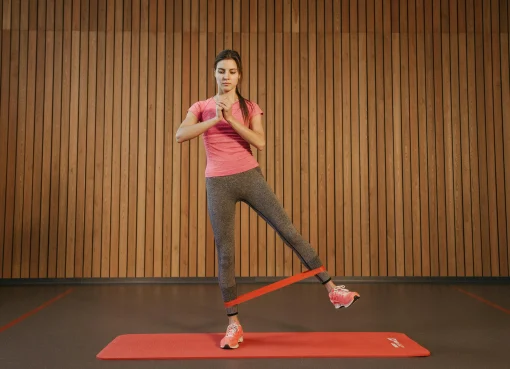
5. Resistance Band Training
Resistance bands are inexpensive, versatile, and perfect for beginners. They help build strength without heavy weights. Key exercises include:
- Banded rows – Strengthen back muscles and improve posture.
- Bicep curls – Simple yet effective for arm toning.
- Glute bridges with band – Target glutes and hamstrings while stabilizing the core.
Perform 2–3 sets of 12–15 reps for each exercise. Resistance bands are excellent for progressive training, allowing beginners to increase resistance as strength improves.
Creating a Beginner Workout Schedule
Consistency is the secret to turning exercise into energy. Here’s a sample beginner weekly plan that balances cardio, strength, and recovery:
| Day | Workout Focus | Duration |
|---|---|---|
| Monday | Bodyweight Circuit + Stretching | 30–40 min |
| Tuesday | Walking or Light Jogging | 20–30 min |
| Wednesday | Resistance Band Training | 30 min |
| Thursday | Low-Impact Cardio + Mobility | 25–30 min |
| Friday | Bodyweight Circuit + Stretching | 30–40 min |
| Saturday | Outdoor Activity (bike, walk) | 30–45 min |
| Sunday | Rest / Gentle Stretching | 15–20 min |
Beginners should listen to their bodies and adjust intensity as needed. Even light activity contributes to energy transformation if done consistently.
Nutrition and Hydration for Energy
Exercise alone is not enough to convert dilemmas into energy. Nutrition and hydration play critical roles in maintaining energy levels:
- Hydrate frequently: Water is essential for energy production and optimal physical performance.
- Balanced meals: Include lean protein, complex carbs, and healthy fats. For example, oatmeal with nuts and fruit for breakfast or grilled chicken with vegetables for lunch.
- Pre-workout snacks: A small snack, like a banana or yogurt, can provide fuel for your workout.
- Post-workout recovery: Include protein-rich foods to repair muscles and restore energy.
Avoid excessive sugar or processed foods, as they can cause energy crashes rather than boosts.
Mental Benefits of Beginner Workouts
Exercise isn’t just about physical energy—it also provides significant mental benefits that help you overcome dilemmas:
- Improved focus and productivity: Physical activity increases blood flow to the brain, enhancing concentration and cognitive function.
- Stress reduction: Workouts reduce cortisol levels, helping you manage stress more effectively.
- Mood enhancement: Exercise can alleviate anxiety and depression, giving you a mental energy boost.
- Confidence building: Achieving small fitness milestones instills a sense of accomplishment and self-efficacy.
Even a short 10-minute movement break can refresh your mind, especially when you feel mentally stuck.
Tips for Beginners to Stay Motivated
Starting a new exercise routine can be challenging. Here are practical tips to keep motivation high:
- Set realistic goals: Begin with small, achievable targets like “10-minute daily walk” or “5 push-ups per set.”
- Track progress: Use a journal or app to record workouts and improvements. Seeing progress reinforces motivation.
- Workout with a friend: Accountability makes it easier to stay consistent and adds a social element.
- Mix it up: Keep routines interesting by alternating workouts to prevent boredom.
- Celebrate milestones: Reward yourself for consistency, whether with a relaxing bath, new workout gear, or a healthy treat.
Remember, consistency beats intensity for beginners. Small steps daily lead to lasting energy and strength.
Overcoming Common Beginner Challenges
Even with the best intentions, beginners often face challenges such as:
- Lack of time: Short 10–15 minute sessions can still be effective if done consistently.
- Fatigue or low energy: Start with low-intensity movements and gradually increase duration or intensity.
- Self-doubt: Focus on progress, not perfection. Every effort counts toward building energy and strength.
- Plateaus: Mix up exercises to challenge your body in new ways and keep energy levels high.
By acknowledging these challenges and creating a flexible plan, beginners can overcome obstacles without losing momentum.
Transforming Your Dilemma into Fuel
The key takeaway is that exercise transforms more than just the body—it turns mental dilemmas, stress, and fatigue into productive energy. When you consistently engage in beginner-friendly workouts, you’ll notice:
- Increased motivation and drive
- Enhanced mental clarity and focus
- Greater physical stamina and strength
- Improved overall mood and well-being
By viewing exercise as a tool to convert challenges into fuel rather than a chore, you’ll stay consistent and empowered.
Conclusion
Starting an exercise routine doesn’t require a gym membership, expensive equipment, or hours of time. For beginners, simple bodyweight exercises, walking, light jogging, low-impact cardio, stretching, and resistance band training are powerful ways to transform dilemmas into energy. Combined with proper nutrition, hydration, and consistent practice, these workouts lay the foundation for a stronger, more energized you.
Remember, the journey from feeling stuck to becoming strong starts with small, intentional steps. By embracing beginner-friendly workouts and treating exercise as a source of energy rather than an obligation, you can turn stress, fatigue, and mental blocks into momentum for a healthier, more vibrant life. Start today, and watch your dilemmas transform into fuel for strength and growth.


Leave a Comment