
Why Coachella Exhaustion Is Trending
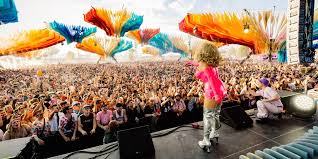
At the Coachella Valley Music and Arts Festival, the conversation in 2026 is no longer just about performances, fashion, or surprise guests—it’s about exhaustion. Festival burnout has become a visible, openly discussed part of the experience, as multi-day events increasingly push physical, emotional, and sensory limits in ways that are now impossible to ignore.
What was once normalized as “part of the experience” is being reframed. Long days under heat, constant movement between stages, limited rest, overstimulation from sound and crowds, and continuous digital engagement all combine into a level of fatigue that attendees are now actively naming rather than dismissing. The shift isn’t that festivals have become harder—it’s that audiences are more aware of what that intensity actually costs.
A key factor is scale. Modern festivals are no longer single-focus experiences. They are layered environments packed with overlapping performances, installations, brand activations, and social spaces. The expectation is not just to attend, but to optimize the experience—move efficiently between sets, capture content, stay connected online, and still remain present in the moment. That constant balancing act creates a form of cognitive overload that builds across the weekend.
Social media has amplified this awareness. Post-event content increasingly includes candid discussions about fatigue, recovery, and overstimulation. Instead of only highlighting peak moments, attendees are also sharing the aftermath: the exhaustion, the recovery routines, and the need for downtime after returning home. These narratives are reframing festival culture as something that requires recovery, not just celebration.
There’s also a generational shift in how burnout is understood. Instead of being treated as an unavoidable consequence of “pushing through,” it is increasingly recognized as something that can be anticipated, mitigated, and discussed openly. This includes planning rest periods during events, prioritizing hydration and sleep, and even stepping away from parts of the experience to avoid complete sensory overload.
The structure of festivals themselves contributes to the trend. Multi-day programming encourages sustained engagement, but it also extends physical strain over longer periods without full reset time. Even with improved infrastructure and wellness offerings, the sheer density of activity means attendees are constantly processing stimuli—sound, visuals, crowds, and digital interaction all at once.
What makes this moment significant is the normalization of saying it out loud. Exhaustion is no longer hidden or downplayed in post-event narratives. It is part of the story. People are increasingly acknowledging that high-intensity cultural experiences come with trade-offs, and that enjoyment and fatigue can coexist.
Ultimately, the rise of festival burnout conversations signals a broader cultural shift. In 2026, experiences are still being pushed to be bigger, louder, and more immersive—but audiences are now equally focused on what it takes to sustain them. At events like Coachella, exhaustion is no longer an unspoken side effect. It has become part of the main conversation.



Leave a Comment