
Why Everyone Feels Exhausted After Coachella
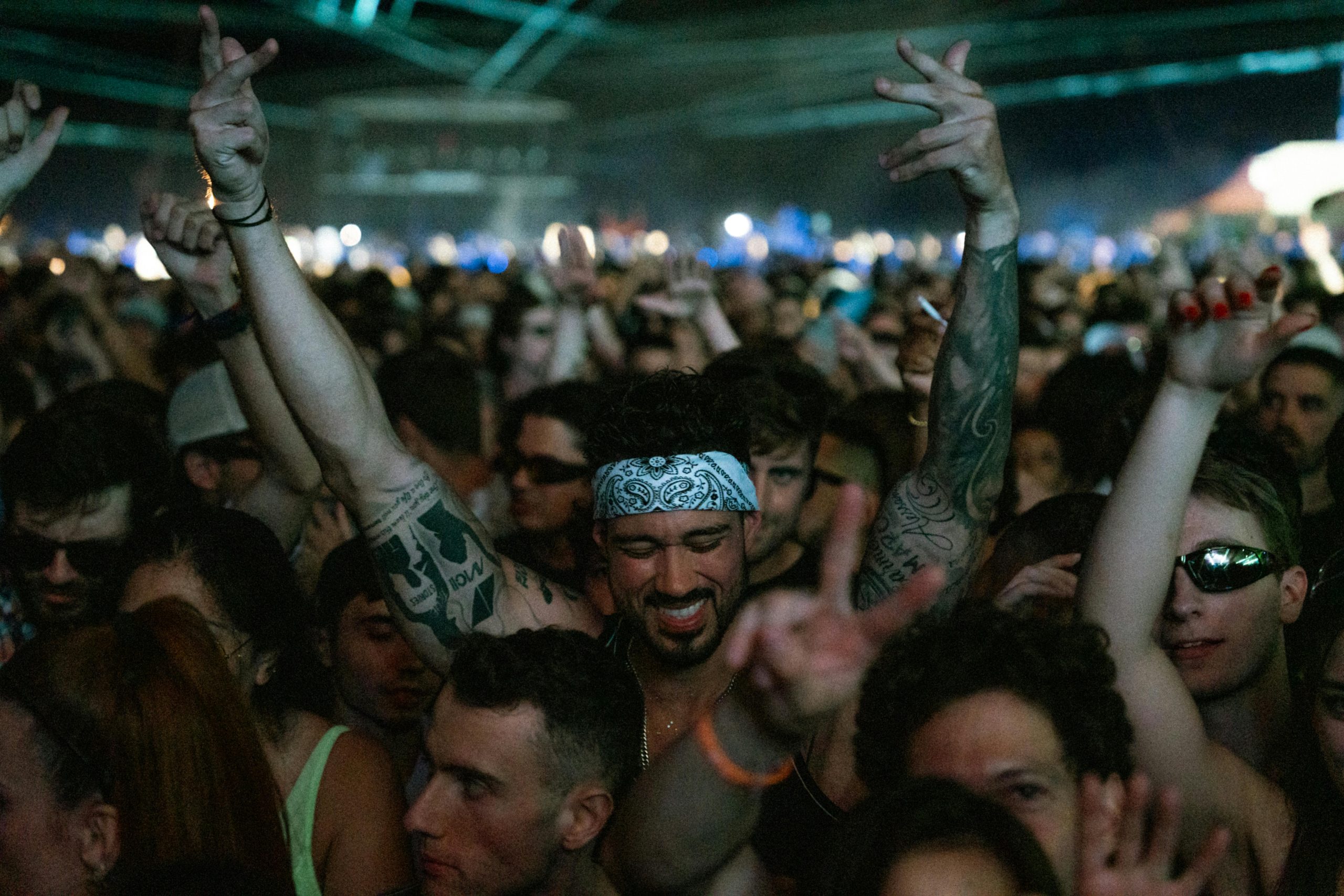
At the Coachella Valley Music and Arts Festival, exhaustion in 2026 is no longer treated as an individual reaction—it has become a shared, recognizable outcome. Across social feeds, “festival burnout” trends immediately after the event, not as a surprise, but as an expected part of the experience cycle.
The physical side is obvious: long days in heat, constant movement between stages, limited recovery time, and disrupted sleep patterns. Even with planning, multi-day festivals compress a level of stimulation and activity that most people don’t experience in normal routines. The body simply doesn’t reset instantly once the music stops.
But the exhaustion being discussed online goes beyond physical fatigue. There is also cognitive overload. Attendees are processing constant sensory input—sound, visuals, crowds, decisions about timing and movement—while simultaneously documenting the experience for social platforms. That split attention creates a second layer of fatigue that lingers after the event ends.
Digital behavior intensifies this effect. The expectation to capture, post, and respond in real time means the experience is never fully “off.” Even between sets, attention is partially allocated to recording, editing, or engaging with content. By the end of the weekend, the brain has been operating in a continuous loop of stimulation and output.
This is why post-event content often shifts toward recovery narratives. People share sleep recovery, hydration routines, quiet days, and low-energy moments not just as lifestyle content, but as a way of making sense of their own state. Exhaustion becomes visible, normalized, and collectively understood through repetition across feeds.
There is also a psychological contrast effect at play. Festivals like Coachella are built around intensity—high energy performances, social density, and constant novelty. When that intensity suddenly stops, the drop in stimulation feels more extreme than a gradual return to normal life. The absence of noise becomes noticeable in itself.
Another layer is decision fatigue. Even small choices—what set to attend, when to leave, where to meet friends—accumulate over the course of the event. Each decision carries weight because opportunities are limited and overlapping. By the end of the weekend, the accumulation of micro-decisions contributes significantly to overall fatigue.
Online, this exhaustion is not hidden—it is shared. Posts about being “completely drained,” “recovering for days,” or “needing a reset” spread quickly because they validate a common experience. What used to be private recovery is now part of the public narrative around the festival itself.
Ultimately, “Why Everyone Feels Exhausted After Coachella” reflects a broader reality of modern experiences designed for intensity and visibility. In 2026, festivals don’t just end when the final set finishes—they end in recovery mode, where exhaustion becomes the final, widely shared stage of the event.


Leave a Comment