
From Zero to Fit: Exercise Basics Every Beginner Should Know
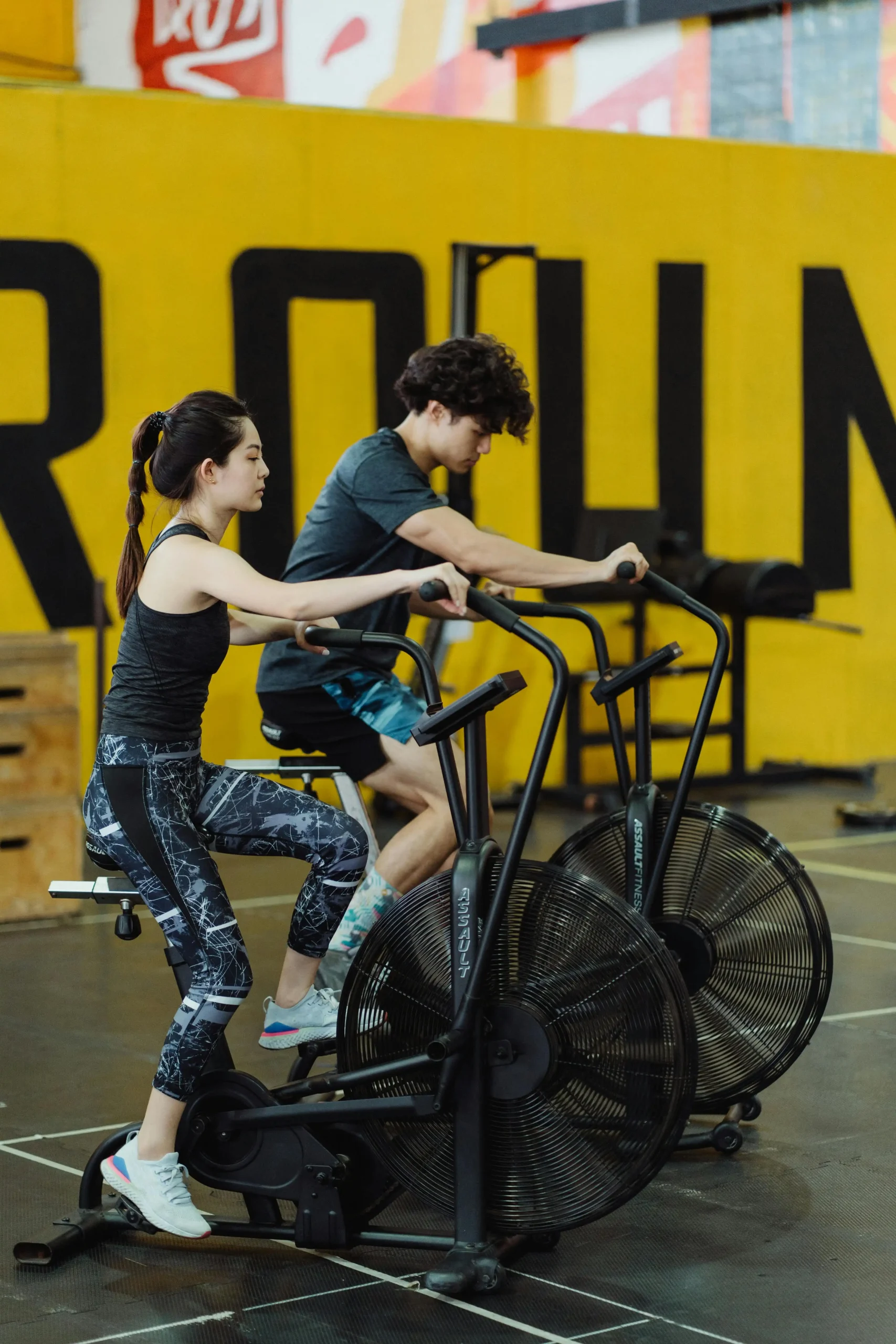
Starting Your Fitness Journey Doesn’t Have to Be Complicated
Beginning an exercise routine can feel overwhelming, especially if you’ve never followed a structured fitness plan before. With so much information online—gym routines, diet trends, intense workout challenges—it’s easy to feel like you need to do everything at once.
The truth is, getting fit doesn’t start with intensity. It starts with consistency, simplicity, and understanding your body.
This guide is designed for absolute beginners who want to build a sustainable exercise habit without pressure, confusion, or burnout. Whether your goal is weight loss, better energy, or improved health, this is your starting point.
Why Exercise Matters for Beginners
Exercise is not just about appearance—it’s about improving overall health and quality of life. For beginners, even small amounts of movement can create noticeable changes.
Key benefits include:
- Increased energy throughout the day
- Improved mood and mental health
- Better sleep quality
- Improved metabolism
- Reduced risk of chronic diseases
- Increased strength and mobility
The most important thing to remember is that your body responds quickly when you start moving regularly—even before visible physical changes happen.
Step 1: Start With the Basics, Not the Intensity
One of the biggest mistakes beginners make is trying to do too much too soon. High-intensity workouts can lead to burnout, soreness, or injury if your body is not prepared.
Instead, focus on:
- Light movement
- Short sessions (10–30 minutes)
- Low-impact exercises
- Proper form over speed
Consistency matters more than difficulty.
Step 2: Beginner-Friendly Exercises You Can Start Today
You don’t need a gym membership to begin exercising. Here are simple movements that are effective for beginners:
1. Walking
Walking is one of the best entry-level exercises. It improves heart health, burns calories, and requires no equipment.
Start with:
- 10–20 minutes daily
- Gradually increase time or pace
2. Bodyweight Squats
Squats strengthen your legs, glutes, and core.
Basic form:
- Stand with feet shoulder-width apart
- Lower your body like sitting on a chair
- Keep your back straight
- Return to standing position
Start with 2 sets of 8–10 reps.
3. Wall Push-Ups
Perfect for beginners who are not ready for floor push-ups.
- Stand facing a wall
- Place hands on the wall
- Bend elbows and lean in
- Push back to starting position
This builds upper body strength safely.
4. Glute Bridges
Great for strengthening your lower back and glutes.
- Lie on your back
- Bend knees, feet flat on the floor
- Lift hips upward
- Hold for a few seconds and lower down
Start with 10–12 reps.
5. Plank (Modified)
Core strength is essential for stability and posture.
Begin with:
- 10–20 seconds hold
- Knees on the floor if needed
- Focus on steady breathing
Step 3: Build a Simple Weekly Routine
A beginner workout routine should feel achievable, not exhausting. Here is a simple structure:
Beginner Weekly Plan:
- Day 1: Walking + light stretching
- Day 2: Bodyweight exercises (squats, push-ups, glutes)
- Day 3: Rest or light walking
- Day 4: Repeat bodyweight exercises
- Day 5: Walking or light cardio
- Day 6: Stretching or yoga
- Day 7: Rest
The goal is to build habit, not perfection.
Step 4: The Importance of Recovery
Rest is just as important as exercise, especially for beginners. Your muscles need time to recover and grow stronger.
Recovery includes:
- Getting enough sleep (7–9 hours)
- Staying hydrated
- Stretching after workouts
- Taking rest days seriously
Ignoring recovery can lead to fatigue or injury, which can slow progress.
Step 5: Nutrition and Fitness Go Hand in Hand
Exercise alone is not enough if your nutrition is not balanced. You don’t need a strict diet, but you should focus on:
- Whole foods (fruits, vegetables, lean protein)
- Balanced meals
- Proper hydration
- Reducing processed sugar and excess junk food
For some individuals exploring weight management support, medically guided treatments are also part of modern discussions. One example being explored in clinical settings is compounded metabolic support options such as:
Compounded Tirzepatide + Vitamin B6 Injection

However, it’s important to understand that medical treatments should only be used under professional supervision and are not a replacement for foundational habits like exercise and nutrition.
Step 6: Staying Motivated as a Beginner
Motivation will rise and fall. What matters most is building discipline through small habits.
Tips to stay consistent:
- Start small and gradually increase effort
- Track your progress (not perfection)
- Celebrate small wins
- Focus on how you feel, not just appearance
- Don’t compare your journey to others
Fitness is personal. Your only competition is your past self.
Step 7: Common Beginner Mistakes to Avoid
1. Doing too much too soon
Overtraining leads to burnout and injury.
2. Skipping warm-ups and cooldowns
This increases the risk of muscle strain.
3. Expecting fast results
Real progress takes weeks, not days.
4. Inconsistent routines
Random workouts don’t build long-term results.
5. Ignoring proper form
Correct movement is more important than speed or reps.
How Long Until You See Results?
Beginners often notice changes in:
- Energy levels: 1–2 weeks
- Mood improvement: within days
- Strength increase: 2–4 weeks
- Visible physical changes: 4–8 weeks
Consistency is the key driver of results.
Final Thoughts: Every Expert Was Once a Beginner
Starting exercise doesn’t require perfection, equipment, or advanced knowledge. It simply requires the decision to begin.
Even 10 minutes of movement a day is enough to start changing your body and mindset. Over time, those small steps become habits, and those habits become transformation.
The goal is not to rush—it is to build a lifestyle that you can maintain long-term.
From zero to fit, the journey is always built one simple step at a time.


Leave a Comment