
Why Do Women Get Bloated? Understanding the Causes and Natural Relief Tips
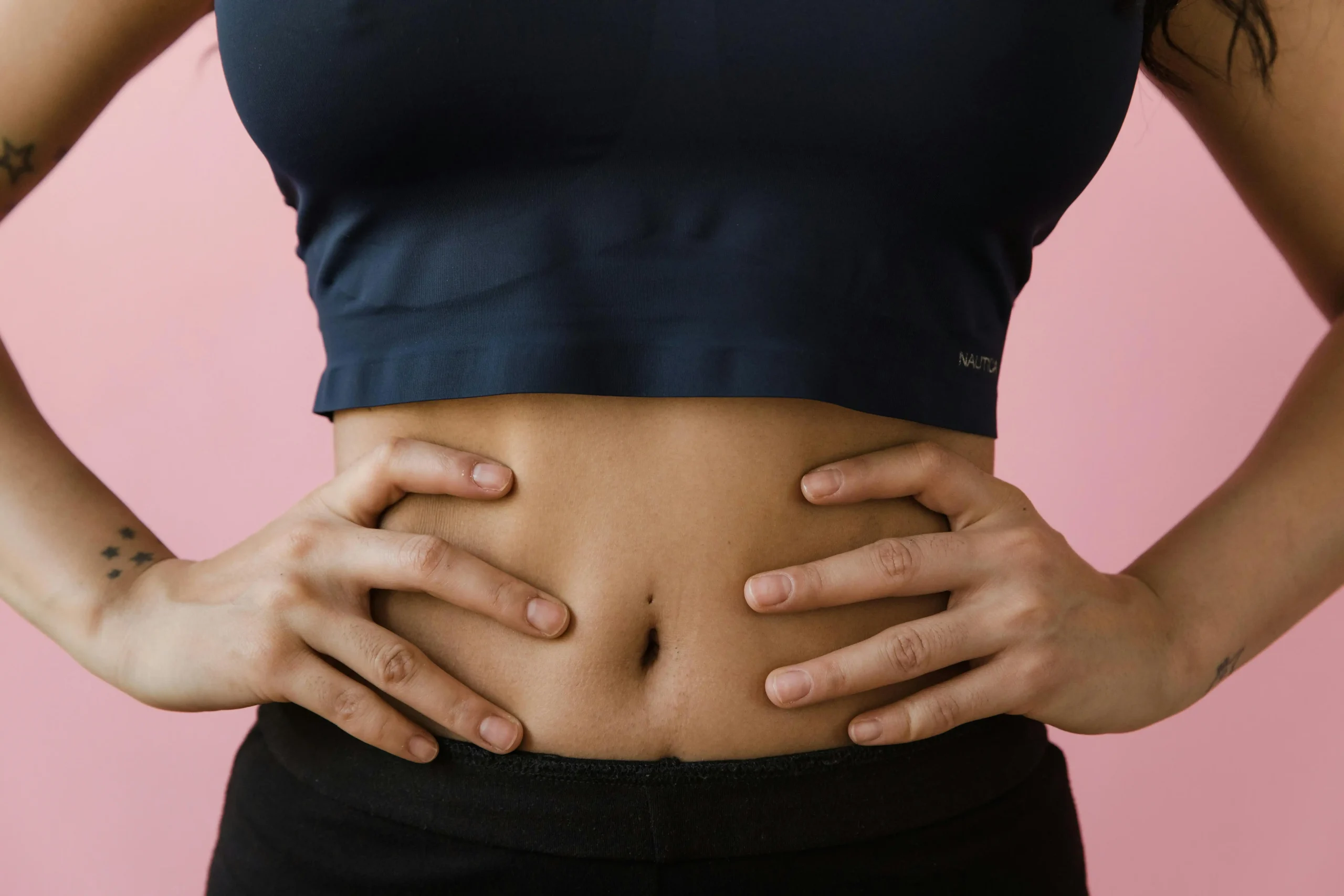
That Bloated Feeling Most Women Know Too Well
Bloating is one of the most common digestive complaints among women, yet it is often misunderstood or dismissed. It can show up as a tight, swollen, or uncomfortable feeling in the abdomen—sometimes after eating, sometimes during hormonal changes, and sometimes without any clear trigger.
While bloating is usually not dangerous, it can affect confidence, comfort, and daily productivity. For many women, it becomes a recurring issue linked to digestion, lifestyle, and hormonal balance.
Understanding why bloating happens is the first step toward managing it effectively. This guide breaks down the most common causes of bloating in women and provides natural, practical ways to reduce it.
What Is Bloating?
Bloating is the sensation of fullness or swelling in the stomach area, often caused by excess gas, fluid retention, or slowed digestion. It can be accompanied by:
- A visibly distended abdomen
- Tight or uncomfortable feeling in the stomach
- Excess gas or burping
- Rumbling or digestive discomfort
- Feeling “heavy” even after small meals
For women, bloating can also fluctuate depending on hormonal cycles, making it more complex than simple digestion issues.
Why Women Experience Bloating More Often
Women tend to experience bloating more frequently than men due to a combination of biological and lifestyle factors.
1. Hormonal Changes
Hormones play a major role in digestion and fluid balance. Throughout the menstrual cycle, fluctuating levels of estrogen and progesterone can cause:
- Water retention
- Slower digestion
- Increased sensitivity in the gut
This is why many women feel more bloated before or during their period.
2. Digestive Sensitivity
Women are more likely to experience conditions like irritable bowel symptoms or food sensitivities, which can contribute to gas buildup and bloating.
3. Slower Gut Motility
In some cases, food moves more slowly through the digestive system, leading to fermentation in the gut and increased gas production.
4. Stress and Emotional Health
Stress affects the gut-brain connection. When stress levels are high, digestion can slow down, leading to bloating and discomfort.
Common Causes of Bloating in Women
Understanding the triggers behind bloating can help reduce its frequency and severity.
1. Dietary Triggers
Certain foods are more likely to cause gas or bloating, especially when eaten in large amounts. These include:
- Carbonated drinks
- Beans and legumes
- Cruciferous vegetables like broccoli and cabbage
- Dairy products (for those with lactose sensitivity)
- High-sodium processed foods
- Artificial sweeteners
Even healthy foods can cause bloating depending on individual tolerance.
2. Eating Too Quickly
Eating too fast can cause you to swallow excess air, which leads to gas buildup. It also reduces proper digestion because food is not chewed thoroughly.
3. Hormonal Cycle
Many women experience cyclical bloating due to:
- Water retention before menstruation
- Changes in gut sensitivity
- Hormonal shifts affecting digestion
This type of bloating is usually temporary but recurring.
4. Constipation
When bowel movements are infrequent or incomplete, stool builds up in the intestines, leading to pressure, gas, and bloating.
5. Food Intolerances
Some women may have difficulty digesting certain foods without realizing it. Common triggers include:
- Lactose (dairy)
- Gluten (in some individuals)
- High-fructose foods
These intolerances can cause chronic bloating if not identified.
6. Stress and Anxiety
Stress doesn’t just affect the mind—it directly impacts digestion. High stress levels can:
- Slow digestion
- Increase gut sensitivity
- Disrupt gut bacteria balance
This often leads to bloating even without dietary triggers.
Natural Ways to Reduce Bloating
The good news is that bloating can often be managed through simple lifestyle and dietary changes.
1. Eat Slowly and Mindfully
Taking time to chew food properly reduces air swallowing and improves digestion. Eating in a calm environment also helps the digestive system function more efficiently.
2. Stay Hydrated
Drinking enough water helps the digestive system move food smoothly and prevents constipation, which is a major cause of bloating.
3. Reduce Salt Intake
Excess sodium causes water retention, which can make bloating worse. Choosing fresh, whole foods over processed meals can help reduce this effect.
4. Identify Trigger Foods
Keeping a simple food diary can help identify patterns between what you eat and when bloating occurs. This makes it easier to adjust your diet based on personal triggers.
5. Increase Gentle Movement
Light exercise such as walking can help stimulate digestion and reduce gas buildup. Even a 10–15 minute walk after meals can make a noticeable difference.
6. Manage Stress Levels
Since stress directly affects digestion, calming activities such as:
- Deep breathing
- Stretching
- Yoga
- Meditation
can significantly reduce bloating episodes.
7. Support Gut Health
A balanced gut microbiome plays a key role in digestion. Eating fiber-rich foods and fermented foods (like yogurt or kimchi) can support healthy gut bacteria.
Hormonal Bloating: What Women Should Know
Hormonal bloating is one of the most common types of bloating experienced by women. It typically occurs during the luteal phase of the menstrual cycle (the days leading up to a period).
Signs of hormonal bloating include:
- Swelling in the abdomen
- Water retention in hands or feet
- Increased cravings
- Temporary weight fluctuations
This type of bloating usually resolves naturally after menstruation begins.
When Bloating Might Need Attention
While bloating is usually harmless, persistent or severe bloating may require medical evaluation, especially if accompanied by:
- Ongoing pain
- Unexplained weight loss
- Severe constipation or diarrhea
- Blood in stool
- Long-term digestive changes
These symptoms may indicate underlying digestive conditions that should be assessed by a healthcare professional.
Lifestyle Habits That Prevent Bloating
Small daily habits can significantly reduce bloating over time.
Build consistent meal times
Eating at regular intervals supports steady digestion.
Avoid overeating
Large meals can overload the digestive system and cause discomfort.
Prioritize sleep
Poor sleep can disrupt gut function and increase digestive issues.
Balance fiber intake
Too little fiber can cause constipation, while too much too quickly can increase gas.
Emotional Impact of Bloating on Women
Bloating is not just a physical issue—it can also affect emotional well-being. Many women report feeling:
- Less confident in clothing
- Physically uncomfortable during daily activities
- Frustrated by unpredictable symptoms
Understanding that bloating is common and manageable can help reduce anxiety and improve overall body confidence.
Conclusion: Understanding Your Body Is the First Step to Relief
Bloating in women is a complex but manageable condition influenced by diet, hormones, digestion, and lifestyle. While it can feel uncomfortable and sometimes frustrating, it is usually a sign that the body is reacting to internal or external triggers—not something permanently wrong.
By eating mindfully, managing stress, staying hydrated, and paying attention to personal triggers, most women can significantly reduce bloating and improve digestive comfort.
Ultimately, the goal is not just to eliminate bloating, but to build a healthier relationship with your body and understand what it needs to function at its best.


Leave a Comment