
How Long Should Beginners Exercise? A Simple Fitness Timeline Explained
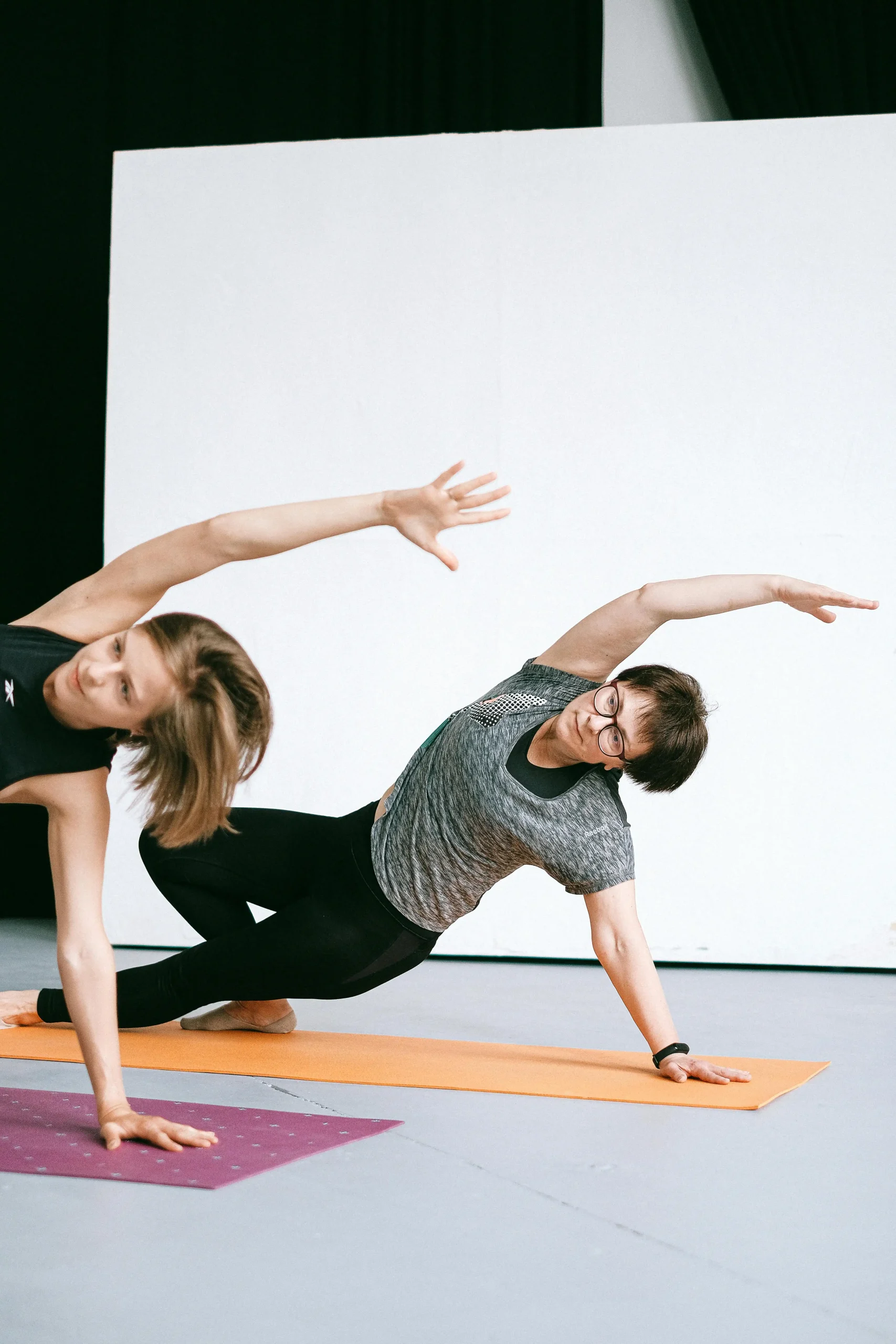
Starting an exercise routine can feel confusing, especially when you are not sure how long you should work out each day. Some beginners think more is always better, while others worry about doing too much too soon. The reality is that effective beginner fitness is not about long workouts—it is about structured progression, consistency, and recovery.
This guide breaks down exactly how long beginners should exercise, week by week, so you can build a sustainable routine that improves strength, endurance, and overall health without burnout.
Why Exercise Duration Matters for Beginners
When you begin exercising, your body goes through rapid adjustments:
- Your heart becomes more efficient at pumping blood
- Your muscles start adapting to movement and resistance
- Your lungs improve oxygen intake
- Your joints, ligaments, and tendons gradually strengthen
Because of these changes, exercise duration plays a key role in preventing injury and ensuring consistency.
Too much exercise too early can lead to:
- Extreme muscle soreness
- Fatigue and low motivation
- Higher risk of injury
- Early burnout
Too little exercise may result in:
- Slow or no visible progress
- Lack of endurance development
- Poor habit formation
The solution is simple: progressive exercise duration over time.
Standard Exercise Recommendations (But Not for Day One)
Health organizations recommend:
- 150 minutes of moderate exercise per week
- OR 75 minutes of vigorous exercise per week
However, beginners should NOT start here immediately.
Instead, your early focus should be:
- Short sessions
- Low to moderate intensity
- Building consistency first
A safe starting point is:
- 10–20 minutes per session
- 3–4 days per week
Once your body adapts, you gradually increase duration.
Beginner Fitness Timeline (Week-by-Week Guide)
Below is a structured timeline showing how long beginners should exercise as they progress.
Weeks 1–2: Building the Habit
The first stage is all about consistency, not intensity.
Recommended duration:
- 10–15 minutes per session
- 3 days per week
Focus:
- Light walking
- Gentle stretching
- Basic bodyweight movements
Example routine:
- 5 minutes walking
- 5 minutes beginner strength movements
- 5 minutes stretching
At this stage, the goal is simple: show up consistently.
Even short workouts help train your brain to treat exercise as a routine.
Weeks 3–4: Improving Stamina
Once your body adjusts, you can slightly increase duration.
Recommended duration:
- 15–25 minutes per session
- 3–4 days per week
Focus:
- Brisk walking
- Light cardio movements
- Beginner strength training
Improvements you may notice:
- Less soreness after workouts
- Better breathing control
- Improved energy levels
This is the phase where exercise starts feeling easier and more natural.
Weeks 5–6: Building Strength and Endurance
At this stage, your body is adapting well and can handle longer sessions.
Recommended duration:
- 25–35 minutes per session
- 4 days per week
Focus:
- Full-body workouts
- Moderate cardio
- Core strengthening
Example structure:
- 10 minutes warm-up cardio
- 15–20 minutes strength training
- 5 minutes core work
- 5 minutes cool down
This is typically when beginners start seeing visible changes in strength and body tone.
Weeks 7–8: Establishing a Routine
Now exercise becomes part of your weekly lifestyle.
Recommended duration:
- 30–45 minutes per session
- 4–5 days per week
Focus:
- Split routines (upper body, lower body, cardio days)
- Improved form and control
- Slight increase in intensity
Results you may notice:
- Better posture
- Improved stamina
- Increased muscle tone
- More stable energy levels
At this stage, consistency becomes more important than motivation.
After 2 Months: Transition to Intermediate Level
Once you reach 8+ weeks of consistency, your body is ready for more structured training.
Recommended duration:
- 45–60 minutes per session
- 4–6 days per week
Focus:
- Progressive strength training
- Interval cardio (HIIT-style workouts)
- Mobility and flexibility training
Now you can also begin focusing on specific goals such as:
- Fat loss
- Muscle building
- Endurance improvement
How to Know If You’re Exercising the Right Amount
Instead of focusing only on time, pay attention to how your body responds.
You are doing the right amount if:
- You feel energized after workouts
- Soreness is mild and fades within 1–2 days
- You can stay consistent weekly
- Your performance improves gradually
You may be overtraining if:
- You feel constantly exhausted
- You experience joint pain
- You lose motivation
- Your performance declines
You may need more exercise if:
- Workouts feel too easy
- You are no longer challenged
- Progress has stalled
Rest Days Are Essential
Rest is where progress actually happens.
Beginners should include:
- 1–3 rest days per week
- Light activities like walking or stretching
Without rest, the body cannot recover properly, which slows down results.
Common Beginner Mistakes
Many beginners struggle not because of lack of effort, but because of avoidable mistakes:
1. Doing too much too soon
Leads to burnout and injury.
2. Skipping warm-ups and cool-downs
Increases soreness and risk of strain.
3. Being inconsistent
Random workouts prevent long-term progress.
4. Comparing to advanced fitness levels
Everyone starts at a different stage.
5. Ignoring recovery
Recovery is part of training, not optional.
Beginner Success Tips
To stay consistent:
- Start small and achievable
- Schedule workouts like appointments
- Choose enjoyable exercises
- Track progress weekly
- Focus on habits, not perfection
Even 15 minutes a day can build long-term results.
Supporting Your Wellness Journey
Exercise becomes easier when supported by balanced lifestyle habits, including nutrition and mindful eating.
Many beginners also incorporate small wellness upgrades into their routine to stay motivated and consistent.
One example is a functional lifestyle product like SKINII Smokey Sweet Dessert Topper, which can be used as part of a mindful approach to food enjoyment while maintaining balance in a fitness-focused lifestyle.
You can view it here:
SKINII Smokey Sweet Dessert Topper by SKINII®

While it is not a fitness product, it can complement a balanced lifestyle when paired with regular exercise and proper nutrition habits.
Final Thoughts
So, how long should beginners exercise?
The answer is not about doing the most—it is about building a sustainable routine.
Simple progression summary:
- Weeks 1–2: 10–15 minutes
- Weeks 3–4: 15–25 minutes
- Weeks 5–6: 25–35 minutes
- Weeks 7–8: 30–45 minutes
- After 2 months: 45–60 minutes
The real key to fitness success is consistency over intensity. If you can stick with your routine, your body will naturally adapt, strengthen, and improve over time.
Fitness is not a race—it is a long-term lifestyle.



Leave a Comment