
The Daily Habits Linked To Healthy Aging
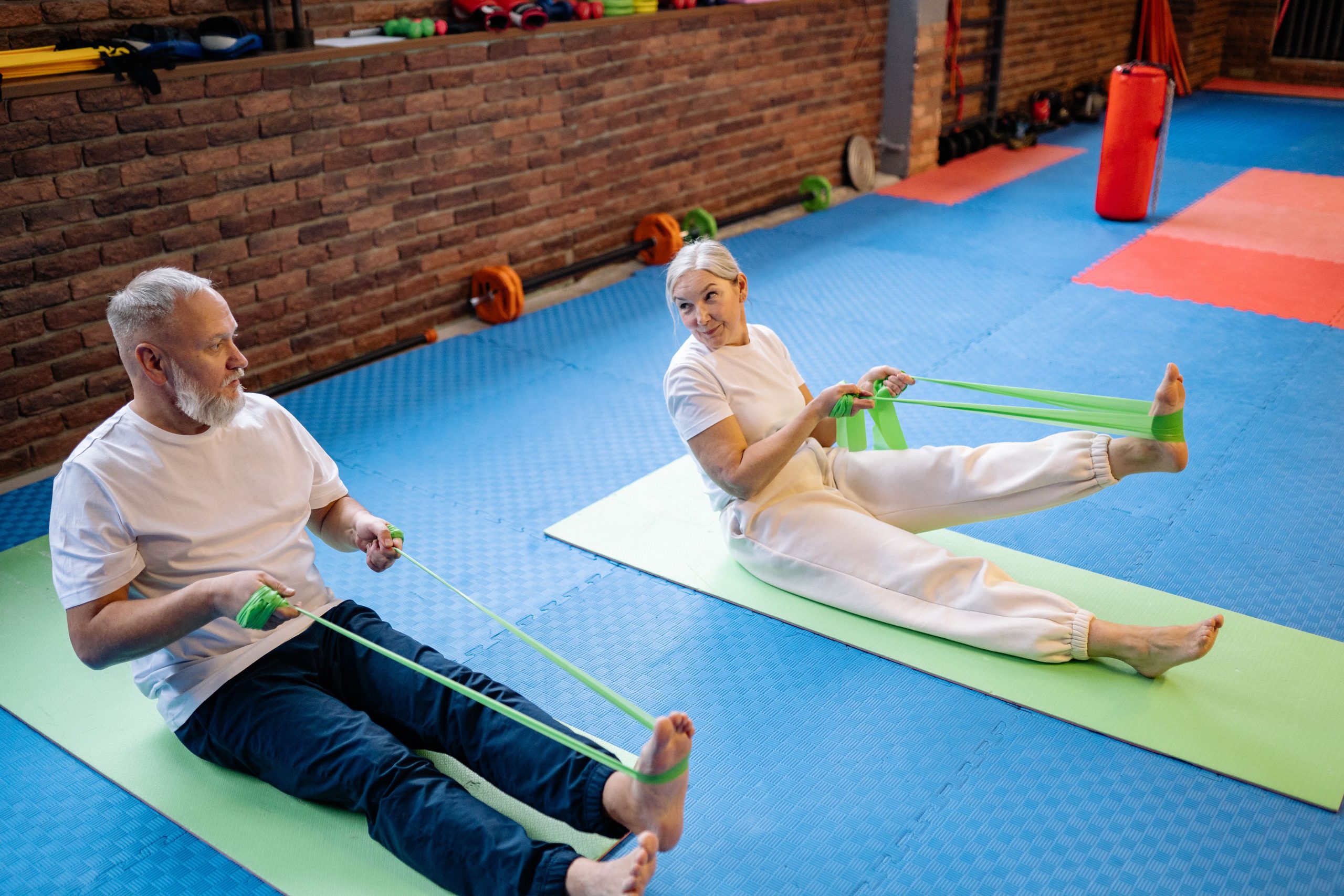
Wellness culture is slowly shifting away from quick fixes and short-term transformations toward something more patient and sustainable: longevity. Instead of chasing fast results, more people are focusing on daily habits that support long-term health, energy, and quality of life.
This change reflects a growing understanding that health is not built in isolated moments, but through repetition. Sleep, movement, nutrition, stress management, and recovery are becoming the core pillars of modern wellness routines.
Quick-fix trends—detoxes, extreme diets, and short-term challenges—still exist, but their influence is fading. Many people are realizing that while these approaches may produce temporary changes, they are difficult to maintain and often fail to support long-term well-being.
Public figures such as Jennifer Lopez and Hugh Jackman are often associated with conversations around fitness, discipline, and long-term health routines, reflecting a broader cultural interest in aging well rather than simply looking fit in the short term.
One of the most important shifts is the emphasis on consistency over intensity. Instead of extreme workouts or strict regimens, people are adopting manageable routines that can be maintained for years. This includes walking, strength training, balanced eating, and prioritizing sleep.
Sleep, in particular, has become a central focus. Research continues to highlight its role in cognitive function, immune health, and overall longevity. As a result, sleep quality is now being treated as a foundational health metric rather than an afterthought.
Stress management is another key factor. Chronic stress has been linked to a range of long-term health issues, leading more people to adopt practices such as mindfulness, downtime, and digital boundaries as part of their wellness routines.
Nutrition trends are also aligning with longevity thinking. Instead of restrictive diets, there is growing interest in balanced, nutrient-dense eating patterns that can be sustained over decades rather than weeks.
Movement is being reframed as well. Rather than focusing solely on intense fitness goals, people are incorporating more everyday activity—walking, stretching, and low-impact exercise—into their routines to support long-term mobility and health.
Technology has contributed to this shift by making health tracking more accessible. Wearables and health apps allow people to monitor sleep, activity, and recovery, encouraging more awareness of long-term patterns rather than short-term results.
Ultimately, longevity wellness is about patience. It prioritizes systems over shortcuts and habits over hacks. The goal is no longer just to feel better quickly, but to build a lifestyle that supports health across years and decades.



Leave a Comment