
Wall Push-Ups for Beginners: The Easy Way to Start Building Upper-Body Strength
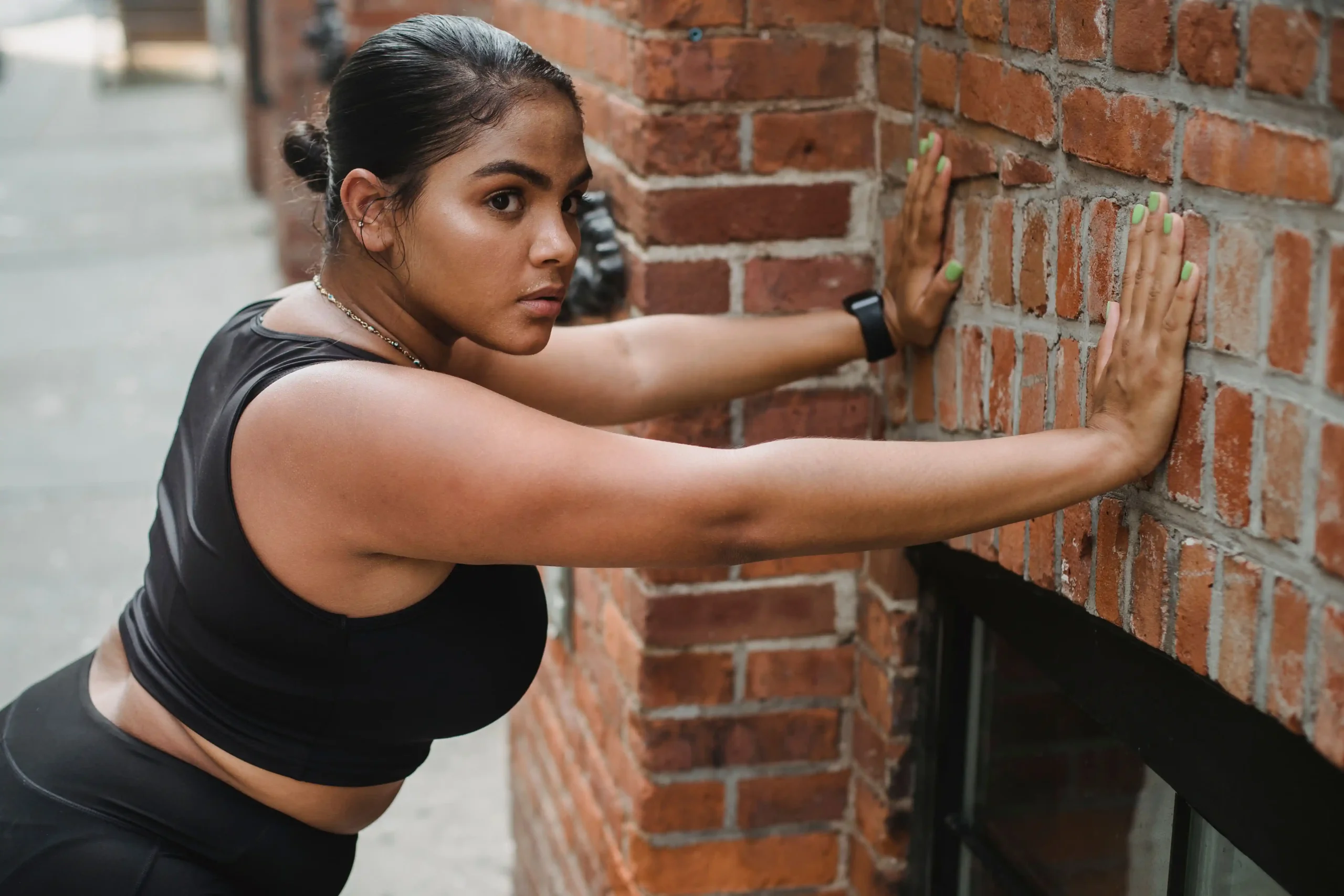
Starting a fitness routine can feel intimidating, especially if traditional exercises such as floor push-ups seem too difficult. Many beginners assume they need to be strong before they can start strength training, but the opposite is often true. Simple exercises can help build strength gradually, improve confidence, and make it easier to progress toward more challenging movements. One of the best places to start is the wall push-up.
Wall push-ups are a beginner-friendly bodyweight exercise that works the muscles of the upper body while placing less demand on the wrists, shoulders, and core than a traditional push-up. Because the exercise is performed while standing, it can be easier to learn proper movement and maintain good form.
Whether you are completely new to exercise, returning to fitness after a long break, or simply looking for an easy exercise to do at home, wall push-ups can be a practical addition to your routine. With consistent practice, they can help you develop the foundation needed for more advanced upper-body exercises.
What Are Wall Push-Ups?
A wall push-up is a modified version of the traditional push-up. Instead of placing your hands on the floor and supporting most of your body weight horizontally, you stand facing a wall and use your arms to lower and push your body away from it.
The movement is simple. You place your hands against a wall at approximately chest height, step backward, bend your elbows to bring your upper body toward the wall, and then push through your hands to return to the starting position.
Because you are standing at an angle, the wall supports some of your body weight. This makes wall push-ups less demanding than standard push-ups while still allowing you to practice the fundamental pushing movement.
Why Are Wall Push-Ups Good for Beginners?
One of the biggest advantages of wall push-ups is accessibility. You do not need a gym membership, dumbbells, resistance bands, or specialized equipment. All you need is a stable wall and enough space to stand safely.
The exercise can also be adjusted based on your current fitness level. Standing closer to the wall generally makes the movement easier, while stepping farther away increases the challenge.
This makes wall push-ups useful for beginners because you can gradually increase the difficulty as your strength improves instead of immediately attempting an exercise that may feel too difficult.
Wall push-ups can also be incorporated into short workouts. If you only have a few minutes during the day, you can perform several sets without needing to change into complicated equipment or spend time setting up a home gym.
What Muscles Do Wall Push-Ups Work?
Although wall push-ups are easier than traditional push-ups, they still engage several important muscle groups.
The chest muscles are involved in pushing your body away from the wall. The triceps, located on the back of the upper arm, also work as you straighten your elbows.
The shoulders contribute to the movement, while the muscles around your abdomen and back help you maintain a stable body position.
Your lower body is not the primary focus of wall push-ups, but your legs still help support your posture and keep you balanced throughout the exercise.
For beginners, this combination makes wall push-ups a useful way to become familiar with upper-body strength training while practicing controlled movement.
How to Do Wall Push-Ups Correctly
Proper form is more important than performing a large number of repetitions. A controlled wall push-up can be more beneficial than rushing through dozens of repetitions with poor technique.
Start by standing facing a sturdy wall. Place your palms against the wall around chest or shoulder height. Your hands should be slightly wider than your shoulders, depending on what feels comfortable.
Take a small step backward while keeping your hands on the wall. Your body should form a relatively straight line from your head through your torso and toward your legs.
Bend your elbows and slowly bring your chest toward the wall. Keep your elbows at a comfortable angle rather than allowing them to flare dramatically outward.
Once you are close enough to the wall while maintaining control, push through your palms and straighten your arms to return to the starting position.
Repeat the movement slowly and deliberately.
The goal is not to move as quickly as possible. Focus on maintaining control throughout both the lowering and pushing phases of the exercise.
How Many Wall Push-Ups Should Beginners Do?
There is no single number of wall push-ups that every beginner should perform. Your starting point should depend on your current strength, fitness level, and comfort.
If you are completely new to exercise, you might begin with one or two sets of five to ten repetitions. If that feels comfortable, you can gradually increase the number of repetitions or add another set over time.
Another option is to focus on time rather than repetitions. You could perform controlled wall push-ups for a short period and then rest.
The most important thing is to avoid pushing through sharp pain or significant discomfort. Muscle fatigue can be normal during exercise, but pain that feels unusual or intense is a reason to stop and reassess your technique.
Common Wall Push-Up Mistakes to Avoid
One common mistake is standing too close to the wall and barely bending the elbows. While this makes the exercise easier, it may also reduce the range of motion.
Another mistake is allowing the hips to move excessively. Try to keep your body aligned instead of leaning your hips toward or away from the wall.
Rushing through repetitions is another issue. Moving too quickly can make it harder to control the exercise and maintain proper form.
Some beginners also place their hands too high or too low. A comfortable starting position is generally around chest or shoulder height, although individual proportions and mobility can affect what feels natural.
Finally, avoid locking your elbows aggressively at the end of every repetition. Straighten your arms under control while keeping the movement comfortable.
How to Make Wall Push-Ups Easier
If wall push-ups feel difficult, there are several ways to make the exercise more manageable.
Start closer to the wall. The closer your feet are to the wall, the less body weight you generally have to move during the exercise.
You can also reduce the number of repetitions. There is nothing wrong with starting with five controlled repetitions and building from there.
Another useful strategy is to focus on technique before increasing volume. Learning how to maintain a stable body position and control the movement will give you a better foundation for progression later.
Remember that beginner exercises are supposed to meet you where you are. There is no benefit in turning a simple exercise into something unnecessarily difficult before your body is ready.
How to Make Wall Push-Ups More Challenging
As your upper-body strength improves, you may eventually find regular wall push-ups too easy. That is a good sign that your body is adapting.
One simple progression is to move your feet farther away from the wall. This changes the angle of your body and increases the amount of resistance you have to manage.
You can also increase repetitions gradually or add another set to your workout.
Eventually, you may transition from wall push-ups to incline push-ups using a sturdy elevated surface. From there, some people may progress toward modified floor push-ups and eventually traditional push-ups.
There is no requirement to reach a traditional push-up immediately. Progressing gradually can make strength training more sustainable and help you develop better movement control.
Wall Push-Ups vs. Traditional Push-Ups
Traditional push-ups are performed with your hands and feet supporting your body against the floor. Because your body is positioned horizontally, they require considerably more strength from the chest, shoulders, triceps, and core.
Wall push-ups use a more upright position, which reduces the amount of body weight involved in the movement.
This does not mean wall push-ups are ineffective. They are simply designed for a different starting point.
For someone who cannot yet perform a traditional push-up, wall push-ups can provide an accessible way to practice the same basic pushing pattern. They can also help build confidence before progressing to more demanding variations.
Can Wall Push-Ups Help With Weight Loss?
Wall push-ups can contribute to an active lifestyle, but they should not be viewed as a standalone weight-loss exercise.
Strength exercises can help you build and maintain muscle, while regular physical activity contributes to overall energy expenditure. However, body weight is influenced by many factors, including overall food intake, activity levels, sleep, stress, genetics, and other aspects of health.
A balanced fitness routine can combine strength exercises such as wall push-ups with walking, cycling, jogging, dancing, or other forms of cardiovascular activity.
Nutrition is also an important part of any long-term weight-management approach. Instead of looking for a single exercise or product to produce dramatic results, focus on building habits that you can maintain consistently.
How to Build a Beginner Home Workout With Wall Push-Ups
Wall push-ups can easily become part of a simple full-body home workout. You do not need to spend an hour exercising to get started.
For example, a beginner routine might include a short warm-up followed by wall push-ups, bodyweight squats, glute bridges, standing marches, and a few simple mobility movements.
You can start with one or two sets of each exercise and take enough rest between movements.
The purpose of your first few workouts should be to become comfortable with movement rather than trying to exhaust yourself.
As your fitness improves, you can gradually increase the number of repetitions, sets, or exercises.
Why Consistency Matters More Than Intensity
One of the biggest challenges for beginners is trying to do too much too quickly. Someone may start a new workout routine with intense sessions every day and then become exhausted, sore, or discouraged.
A better approach is to start with something manageable.
Doing a short beginner workout several times a week may be more sustainable than attempting an extremely difficult workout once and then avoiding exercise for several days.
Wall push-ups are useful in this regard because they are simple enough to fit into many routines. You can perform them at home, during a short movement break, or as part of a longer strength-training session.
Over time, small improvements can add up.
Exercise and Overall Wellness
Exercise is only one part of a healthy lifestyle. Recovery, nutrition, hydration, sleep, and stress management can also influence how you feel and how consistently you can exercise.
If you are building a new fitness routine, it can help to think beyond workouts. Creating a daily routine that supports rest and healthy eating can make it easier to stay active over the long term.
For readers interested in wellness products alongside their fitness routine, Skinii offers products designed around different aspects of everyday wellness. One product that may be worth exploring is Skinii Cortisol Balance.
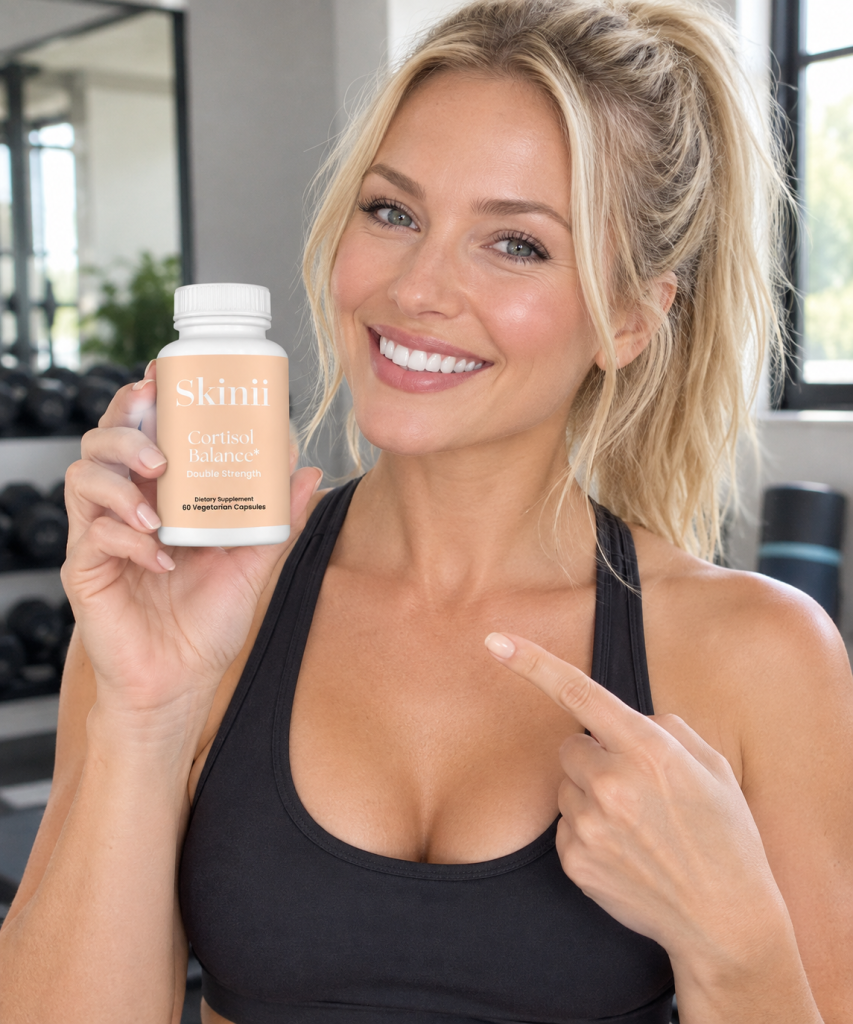
A wellness product should not replace exercise, nutritious food, adequate sleep, or professional medical advice. Instead, products like these should be considered within the context of your broader personal wellness routine, while following the product’s directions and considering whether it is appropriate for your individual needs.
How Often Should Beginners Do Wall Push-Ups?
Beginners do not necessarily need to perform wall push-ups every day. Giving your muscles time to recover is an important part of strength training.
You might start by incorporating wall push-ups into your workout routine a few times per week. Pay attention to how your body responds and allow additional recovery if you experience significant soreness or fatigue.
As you become stronger and more comfortable with the exercise, you can adjust your routine.
The goal is to create a pattern of exercise that feels realistic rather than forcing yourself into a demanding schedule that you cannot maintain.
Who Should Be Careful With Wall Push-Ups?
Although wall push-ups are generally beginner-friendly, they may not be appropriate for everyone in every situation.
If you have an existing shoulder, wrist, elbow, or other musculoskeletal injury, it is a good idea to ask a qualified healthcare professional or physical therapist whether this movement is appropriate for you.
Anyone experiencing pain during the exercise should stop and evaluate what may be causing it. Adjusting your hand position or reducing the intensity may help, but persistent or significant pain should not be ignored.
If you are returning to exercise after a long period of inactivity or have a medical condition that affects your ability to exercise, professional guidance can help you determine an appropriate starting point.
Final Thoughts
Wall push-ups are one of the simplest ways for beginners to start developing upper-body strength. They require no special equipment, can be performed at home, and can be modified as your fitness level changes.
The exercise works the chest, shoulders, triceps, and supporting core muscles while allowing beginners to practice the basic movement pattern of a push-up without immediately taking on the full challenge of a floor push-up.
The key is to focus on proper form, controlled movements, gradual progression, and consistency. Start with a manageable number of repetitions, listen to your body, and increase the challenge as you become stronger.
Most importantly, remember that fitness is not about mastering difficult exercises as quickly as possible. It is about creating habits that support your health over time. A simple exercise such as the wall push-up can be the first step toward a stronger, more confident, and more sustainable fitness routine.


Leave a Comment