
The 15-Minute Beginner Leg Workout: Simple Exercises to Build Strength
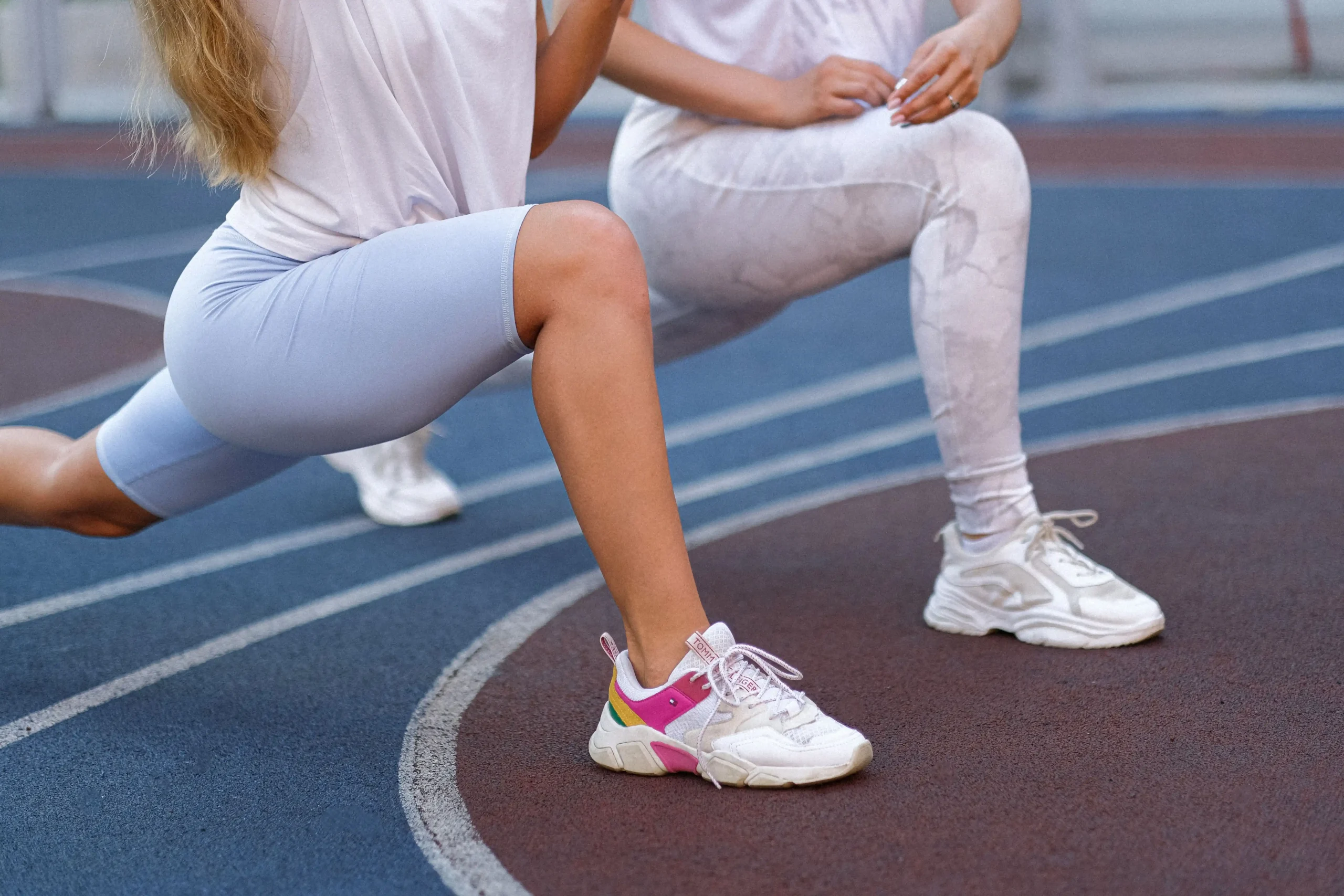
Starting a fitness routine does not have to mean spending hours in the gym. For beginners, one of the best ways to build a sustainable exercise habit is to start with short, manageable workouts that target the major muscle groups. A 15-minute leg workout can be enough to introduce your body to strength training, improve movement, and help you become more comfortable with regular exercise.
Your legs perform countless tasks every day. Walking, climbing stairs, standing, carrying groceries, getting out of a chair, and participating in sports all require lower-body strength. Building stronger legs can therefore benefit more than your appearance. It can support everyday movement, balance, stability, and physical performance.
The good news is that you do not need an expensive gym membership or complicated equipment to get started. Many beginner leg exercises can be performed using body weight, making them accessible whether you are exercising at home, in a gym, or outdoors. As you become stronger and more confident, you can gradually introduce resistance bands, dumbbells, or other equipment.
This 15-minute beginner leg workout is designed to keep things simple. It combines several fundamental lower-body movements that target the quadriceps, hamstrings, glutes, calves, and supporting muscles. The goal is not to exhaust yourself during your first workout. Instead, focus on learning proper movement, controlling each repetition, and creating a routine you can consistently follow.
Why Leg Strength Matters for Beginners
Leg strength is an important part of overall fitness because the lower body contains some of the body’s largest muscle groups. Stronger legs can make everyday activities feel easier and provide a foundation for other forms of exercise.
Strength training can also help improve muscular fitness and support healthy physical function. Current physical activity guidance recommends that adults include muscle-strengthening activities as part of their regular exercise routine. The American College of Sports Medicine’s updated resistance-training guidance also emphasizes that consistency is more important for most healthy adults than following complicated training methods.
For beginners, this means there is no need to start with advanced exercises or extremely heavy weights. Simple movements performed regularly can provide a useful starting point.
A beginner leg workout can also help you learn basic movement patterns. Squatting, stepping, bending at the hips, and pushing through the feet are movements that appear in many different exercises. Learning these patterns with body weight can help prepare you for more challenging workouts later.
How to Prepare for a 15-Minute Leg Workout
Even though this workout is short, preparation still matters. Before starting, choose a clear area where you can move comfortably without bumping into furniture or other objects. Wear comfortable clothing and supportive footwear, particularly if you are exercising on a hard surface.
Spend a few minutes getting your body moving before beginning the main workout. You can walk around the room, march in place, gently swing your arms, perform slow bodyweight squats, or move through other comfortable dynamic movements.
The purpose of a warm-up is to gradually prepare your body for exercise. You do not need to turn the warm-up into another intense workout. A few minutes of light movement is generally enough to transition from rest into exercise.
If you are completely new to exercise, have an injury, or have a health condition that could affect your ability to exercise safely, consider speaking with an appropriate healthcare professional before starting a new workout routine.
The 15-Minute Beginner Leg Workout
The following routine uses simple exercises that can be performed without specialized equipment. Beginners should prioritize technique over speed. Move through each exercise with control, breathe normally, and take additional rest when necessary.
Bodyweight Squats
Start the workout with bodyweight squats. Stand with your feet approximately shoulder-width apart and keep your chest comfortably upright. Brace your midsection gently and begin lowering your body by bending your knees and hips.
Think about sitting back toward an imaginary chair. Lower yourself only as far as you can while maintaining comfortable control and good form. Then push through your feet to return to a standing position.
Aim for approximately 10 to 12 repetitions. Beginners do not need to squat extremely deeply to benefit from the movement. Your range of motion can gradually improve as you become more comfortable.
Squats primarily challenge the muscles of the thighs and hips while also requiring your core and other supporting muscles to stabilize your body.
Reverse Lunges
After squats, move into reverse lunges. Start standing tall with your feet comfortably positioned. Step one foot backward and lower your body toward the floor while bending both knees.
Keep the front foot stable and maintain control as you lower yourself. Push through the front foot to return to the starting position, then repeat on the other side.
Perform approximately 6 to 8 repetitions on each leg. If balancing feels difficult, perform the movement beside a sturdy surface that you can use for light support.
Reverse lunges can be useful for beginners because they train each leg individually while challenging balance and coordination. Start with a shallow range of motion if necessary and gradually work toward greater control.
Glute Bridges
Next, move to the floor for glute bridges. Lie on your back with your knees bent and your feet resting comfortably on the floor.
Keep your arms beside your body and gently tighten your abdominal muscles. Press through your feet and raise your hips until your body forms a comfortable line from your shoulders toward your knees.
Pause briefly at the top, then lower your hips with control.
Aim for 10 to 15 repetitions.
Glute bridges primarily target the gluteal muscles while also involving the muscles around the hips and the back of the legs. They are a beginner-friendly movement because they can be performed without weights and require relatively little space.
Calf Raises
Stand upright with your feet approximately hip-width apart. Hold onto a sturdy surface for balance if needed.
Slowly raise your heels so that you come onto the balls of your feet. Pause briefly at the top, then lower your heels back toward the floor.
Perform approximately 12 to 15 repetitions.
Calf raises are a simple way to include the lower legs in your beginner workout. Your calves contribute to walking, running, jumping, and many other everyday movements.
Focus on slow, controlled repetitions rather than bouncing up and down.
Wall Sit
Finish the main portion of the workout with a wall sit. Stand with your back against a wall and slowly slide downward until your knees are bent to a comfortable position.
You do not have to lower yourself until your thighs are perfectly parallel to the floor. Beginners can use a higher position that feels manageable.
Hold the position for approximately 15 to 30 seconds, then carefully stand up.
The wall sit is an isometric exercise, meaning the muscles work while the joints remain relatively stationary. It can provide a different challenge from the repeated movements earlier in the workout.
If your legs become extremely fatigued or you experience pain, stop the exercise and rest.
How to Make the Workout Fit Into 15 Minutes
The exact timing can be adjusted according to your fitness level. One simple approach is to spend approximately two to three minutes warming up, followed by around 10 to 11 minutes completing the exercises. Use the remaining time for gentle cooldown movements and breathing.
Beginners should not feel pressured to rush between exercises. If you need more rest, take it. A 15-minute workout is not supposed to become a race.
As your fitness improves, you may find that you can complete the same exercises with fewer breaks. At that point, you can gradually increase the number of repetitions or add another round.
The goal is progression, not perfection.
How Often Should Beginners Train Their Legs?
Beginners do not necessarily need to perform a challenging leg workout every day. Muscles need time to recover after strength-training sessions, particularly when your body is not accustomed to resistance exercise.
You might begin with a short leg workout two or three times per week, leaving recovery time between challenging lower-body sessions. On other days, you can participate in walking, mobility exercises, upper-body training, or other forms of physical activity that fit your goals.
Current U.S. physical activity guidance recommends muscle-strengthening activities on at least two days each week for adults, while overall activity recommendations also include regular aerobic movement.
The ideal schedule depends on your current fitness level, goals, recovery, and other activities. A routine that you can maintain consistently is usually more useful than an overly ambitious plan that becomes difficult to follow.
How to Progress as You Get Stronger
One of the biggest beginner mistakes is trying to make workouts harder too quickly. You do not need to double your repetitions or start lifting heavy weights after only a few sessions.
Instead, look for gradual improvements. You may first notice that you can complete the workout with better technique. Then you may be able to perform more repetitions without becoming as tired. Eventually, you might increase the resistance or introduce more challenging variations.
For example, once bodyweight squats become comfortable, you could eventually experiment with holding a light dumbbell. Reverse lunges can become more challenging by adding resistance or increasing repetitions. Glute bridges can also be progressed through different variations.
Progress should feel gradual and controlled. If you constantly train to exhaustion, you may make recovery more difficult and reduce your ability to stay consistent.
Should Beginners Use Weights?
Bodyweight exercises are an excellent place to start, but weights can become useful as your strength develops.
Dumbbells are particularly versatile because they can be used for squats, lunges, deadlifts, step-ups, and many other exercises. Resistance bands can also provide a convenient way to introduce additional resistance without requiring a large home gym.
The right time to add resistance depends on the individual. If you can perform an exercise with good technique and the movement no longer feels challenging, gradually increasing resistance may be appropriate.
However, beginners should not feel that weights are required from day one. The most important part of strength training is learning how to move safely and consistently.
Nutrition and Your Fitness Routine
Exercise is only one part of a healthy lifestyle. Your body also needs adequate nutrition to support everyday activities and physical training.
Protein is an important nutrient because it provides amino acids that the body uses for numerous functions, including maintaining and repairing tissues. People who exercise regularly may therefore pay attention to their overall protein intake.
A balanced diet can provide protein through foods such as eggs, fish, poultry, dairy products, beans, lentils, tofu, nuts, seeds, and other foods. Protein supplements can also be convenient for people who have difficulty meeting their dietary preferences or needs through meals alone.
If you are looking for a convenient snack or treat that fits into a fitness-focused lifestyle, you can learn more about Skinii Choc Haze Bark here: Skinii® Chocolate Hazelnut Bark

As with any food or supplement product, consider how it fits into your overall dietary pattern rather than treating one product as a replacement for balanced meals.
Common Beginner Leg Workout Mistakes
One of the most common mistakes beginners make is sacrificing form for speed. Performing dozens of fast repetitions may feel like a harder workout, but controlled movements are generally more useful for learning proper technique.
Another mistake is doing too much too soon. A beginner who tries to perform an advanced workout on the first day may become extremely sore and lose motivation. Starting with manageable sessions makes it easier to develop a long-term habit.
Skipping warm-ups and cooldowns is another common issue. Although a short workout may make you want to get straight into the exercises, taking a few minutes to prepare and recover can make the overall session feel more comfortable.
Finally, beginners sometimes compare their progress with other people. Fitness levels vary widely. Your goal should be to improve from your own starting point rather than trying to match someone else’s performance.
How to Recover After a Leg Workout
Recovery is an important part of getting stronger. After a beginner leg workout, spend a few minutes walking slowly or performing gentle movements rather than immediately becoming completely inactive.
Stay hydrated throughout the day and make sure you are eating enough nutritious food to support your overall activity level. Adequate sleep is also important because your body uses periods of rest to recover from physical activity.
It is normal for new strength-training exercises to cause some muscle soreness, particularly when you are not accustomed to them. However, sharp pain, significant swelling, or unusual symptoms should not be ignored.
If you experience concerning pain during or after exercise, stop the activity and seek appropriate professional advice.
Making a 15-Minute Workout a Habit
The biggest advantage of a short workout may be that it feels achievable. Many people struggle to exercise because they believe they need a full hour at the gym to make progress.
A 15-minute beginner leg workout challenges that idea. You can complete it before work, during a lunch break, after finishing household responsibilities, or whenever it fits into your schedule.
The key is consistency. A short workout that you perform regularly can become the foundation of a larger fitness routine.
As your confidence increases, you can gradually add walking, cardio sessions, upper-body workouts, mobility exercises, or longer strength-training sessions. You do not need to transform your entire lifestyle overnight.
Final Thoughts
Building stronger legs does not require complicated equipment, advanced exercises, or hours at the gym. A simple 15-minute beginner leg workout can provide an accessible starting point for anyone who wants to introduce strength training into their routine.
Bodyweight squats, reverse lunges, glute bridges, calf raises, and wall sits target different areas of the lower body while helping beginners practice fundamental movement patterns. The most important goal is to perform each exercise with control and gradually build confidence.
As your fitness level improves, you can increase repetitions, introduce resistance, or explore new exercises. Pairing regular strength training with balanced nutrition, adequate sleep, hydration, and other forms of physical activity can help create a sustainable approach to fitness.
Remember that progress does not have to happen quickly to be meaningful. Starting with 15 minutes may seem small, but those minutes can become the beginning of a consistent fitness habit. Whether your goal is to feel stronger, improve everyday movement, support your overall fitness, or simply become more active, keeping your workouts simple can make it easier to stay on track.

Leave a Comment