
Glute Bridges for Beginners: A Simple Exercise for Stronger Glutes and Hips
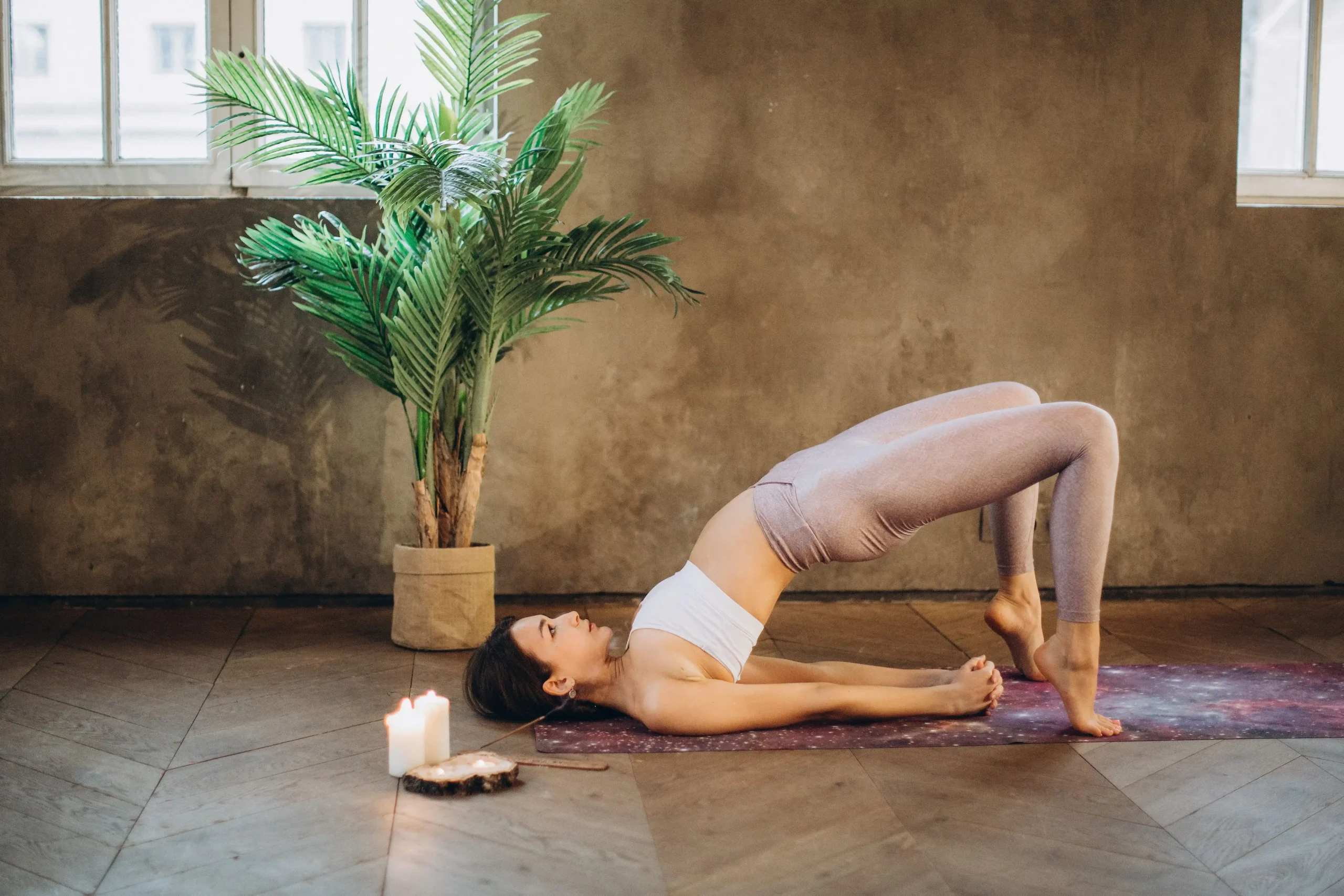
If you are new to exercise and want to strengthen your lower body without complicated equipment, the glute bridge is a great place to start. This simple bodyweight exercise can be performed on the floor at home, requires very little space, and is easy to modify as your strength improves. Despite its simple appearance, the glute bridge works several important muscles involved in everyday movement, including the glutes, hamstrings, hips, and core.
For beginners, exercises do not need to be complicated to be effective. Learning how to perform basic movements with proper form can create a strong foundation for a more complete fitness routine. The glute bridge is particularly useful because it focuses on hip extension, a movement that plays a role in activities such as walking, climbing stairs, standing up, and getting out of a chair.
If you have been sitting for long periods, feel that your lower body needs more strength, or simply want to add a beginner-friendly exercise to your home workouts, learning how to do glute bridges correctly can be a useful first step.
What Is a Glute Bridge?
A glute bridge is a bodyweight strength exercise performed while lying on your back with your knees bent and your feet flat on the floor. From this position, you lift your hips toward the ceiling by pressing through your feet and contracting your glute muscles before slowly lowering your hips back down.
The primary muscles targeted are the glutes, particularly the gluteus maximus. The hamstrings and core also contribute to the movement, while the hips and surrounding muscles help provide stability.
One reason the glute bridge is popular with beginners is that it does not require weights or expensive gym equipment. A comfortable floor, exercise mat, or carpet may be all you need.
The movement can also be progressed over time. Once the basic version becomes comfortable, you can experiment with pauses, resistance bands, single-leg variations, or additional resistance under appropriate guidance.
Why Are Glute Bridges Good for Beginners?
Starting a fitness routine can sometimes feel overwhelming. There are countless exercises, workout programs, machines, and techniques to choose from. The glute bridge offers a much simpler starting point.
Because you perform the exercise while lying on the floor, you do not need to worry about balancing your entire body while learning the movement. This can make it easier to concentrate on how your hips, knees, feet, and core are positioned.
Glute bridges can also help beginners become more familiar with activating their glutes. Learning how to use the muscles around the hips during a controlled movement can provide a foundation for exercises such as squats, lunges, step-ups, and other lower-body movements.
Another advantage is convenience. You can perform glute bridges at home, add them to a warm-up, or include them in a short beginner strength workout.
What Muscles Do Glute Bridges Work?
The glute bridge primarily targets the gluteal muscles. The gluteus maximus is the largest of the three major glute muscles and plays an important role in hip extension.
The hamstrings also contribute because they help with hip movement and stabilization. Your abdominal and core muscles help keep your torso and pelvis controlled throughout the exercise.
The muscles around the hips also contribute to stability, particularly when you progress to more challenging variations.
This makes the glute bridge more than an exercise designed simply to work your buttocks. It is a movement that trains an important part of the posterior chain and can help you develop lower-body strength for everyday activities.
How to Do a Glute Bridge Correctly
Start by lying on your back on a comfortable surface. Bend your knees and place your feet flat on the floor. Your feet can be approximately hip-width apart, with your arms resting comfortably beside you.
Take a moment to settle into the starting position. Keep your head, shoulders, and upper back relaxed against the floor.
Gently engage your abdominal muscles and squeeze your glutes. Then press through your feet and slowly lift your hips toward the ceiling.
Raise your hips only as high as you can while maintaining control and a comfortable position. Ideally, your body will form a relatively straight line from your shoulders through your hips toward your knees at the top of the movement.
Pause briefly at the top while squeezing your glutes, then slowly lower your hips back to the floor.
The movement should feel controlled rather than rushed. You do not need to lift your hips as high as possible. Proper alignment and muscle control are more important than trying to create the biggest possible range of motion.
How Many Glute Bridges Should Beginners Do?
There is no single number of glute bridges that every beginner needs to perform. Your starting point should depend on your current fitness level and how comfortable the movement feels.
A beginner could start with one or two sets of around 8 to 12 controlled repetitions. If that feels manageable and your technique remains consistent, you can gradually increase the number of repetitions or sets.
Another approach is to use a short pause at the top of each repetition. This can make a basic bodyweight glute bridge more challenging without immediately adding weights.
Some fitness guidance suggests sets of 15 repetitions for basic bridges, while other beginner programs use lower repetition ranges. The important point is that you should be able to perform each repetition with good control rather than rushing to reach a particular number.
Common Glute Bridge Mistakes
One of the most common mistakes beginners make is lifting the hips too high. It may seem like a higher bridge is automatically better, but forcing the hips upward can cause the lower back to arch excessively.
Instead, concentrate on moving through the hips and squeezing the glutes.
Another common mistake is pushing primarily through the toes. Your feet should remain firmly planted, and you should feel stable throughout the movement.
Some people also allow their knees to move inward as they lift their hips. Try to keep your knees aligned with your feet throughout the exercise.
Moving too quickly is another problem. A slow, controlled repetition allows you to pay attention to your body position and makes it easier to recognize whether you are actually engaging the intended muscles.
If you feel the exercise mostly in your lower back, stop and reset your position. You may need to reduce the height of the bridge, engage your core more gently, or adjust your feet.
How to Feel Your Glutes Working
If you are new to strength training, you may have difficulty identifying whether your glutes are doing most of the work. This is normal.
Before lifting your hips, gently tighten your abdominal muscles and think about squeezing your glutes. As you press through your feet, focus on driving the movement through your hips rather than trying to lift your body using your lower back.
A brief pause at the top can also help you become more aware of the contraction.
You do not need to squeeze as hard as possible or hold the position for an extended period. The goal is controlled muscle engagement.
If you consistently feel discomfort in your back rather than normal muscular effort in your glutes and hamstrings, consider reducing the range of motion and reviewing your technique.
Glute Bridges and Hip Strength
Strong hips are useful for many everyday activities. Your hips contribute to walking, climbing stairs, standing, bending, and other movements that you perform without necessarily thinking about them.
The glute bridge trains hip extension in a controlled position. Strengthening these muscles can help you build a stronger foundation for other lower-body exercises.
This is one reason physical therapists and fitness professionals may incorporate bridge exercises into broader strength, stability, or rehabilitation programs. However, a glute bridge should not be considered a treatment for an injury or chronic pain condition on its own.
Can Glute Bridges Help Build Your Glutes?
Glute bridges can contribute to glute strength and muscle development, particularly when performed consistently and progressed appropriately.
However, building noticeable muscle is not simply about performing hundreds of repetitions. Your muscles adapt to resistance and training demands over time. As a beginner becomes stronger, increasing the challenge can help continue the progression.
You might begin with bodyweight glute bridges and eventually add a resistance band or external weight when you have mastered the basic movement.
Single-leg glute bridges are another progression, although they are significantly more challenging because each side has to handle more of the movement independently.
The goal should be gradual progression rather than trying to make the exercise difficult immediately.
Glute Bridge Variations for Beginners
Once you are comfortable with the standard glute bridge, you can introduce small changes.
A paused glute bridge involves holding the top position briefly before lowering your hips. This can make each repetition more challenging while keeping the exercise simple.
A resistance-band glute bridge can involve placing a suitable resistance band above the knees and maintaining gentle outward pressure while performing the movement.
You can also eventually explore marching bridges, where you maintain the elevated hip position and carefully lift one foot at a time. This requires more stability and control, so it is better suited to people who have already mastered the basic movement.
A single-leg bridge is another progression, but beginners should not feel pressured to move to this variation quickly.
Mastering the basic glute bridge is more important than performing an advanced version before you are ready.
How to Add Glute Bridges to a Beginner Workout
Glute bridges can fit into several types of beginner workouts. You can perform them near the beginning of a session as part of a warm-up or include them in the strength portion of your workout.
For example, a simple beginner home workout could combine glute bridges with bodyweight squats, wall push-ups, standing marches, and gentle mobility exercises.
You could start with a small number of repetitions for each movement and take a short rest between exercises.
The goal of a beginner workout is not to leave you completely exhausted. It is to help you build consistency and become more comfortable with exercise.
As your fitness improves, you can gradually increase the number of sets, repetitions, or exercise difficulty.
Can Glute Bridges Help With Weight Loss?
Glute bridges can be part of an active lifestyle, but they should not be treated as a specific weight-loss solution.
Strength training can help develop and maintain muscle, while physical activity contributes to overall energy expenditure. However, weight management depends on many factors, including overall dietary intake, activity levels, sleep, stress, genetics, medications, and other aspects of health.
If your goal is weight management, consider combining strength exercises such as glute bridges with activities that raise your heart rate, such as walking, cycling, swimming, dancing, or jogging.
Nutrition also matters. A sustainable approach focuses on balanced meals and habits that you can maintain rather than relying on one exercise to produce dramatic changes.
Exercise, Nutrition, and Everyday Wellness
Exercise works best as part of a broader healthy lifestyle. Getting enough sleep, eating nutritious foods, staying hydrated, managing stress, and allowing your body to recover can all support your ability to maintain a regular exercise routine.
For people building a wellness routine, nutritional supplements may also be part of their personal approach. One product to explore is Skinii B-12 Vitamin Lozenges.

A vitamin product should not be viewed as a replacement for a balanced diet or exercise program. If you are considering a supplement, check the product information and consider speaking with a qualified healthcare professional, particularly if you take medications, have a medical condition, or have questions about whether supplementation is appropriate for you.
How Often Should Beginners Do Glute Bridges?
Beginners do not necessarily need to perform glute bridges every day. Your muscles need time to recover and adapt after strength training.
You can start by including glute bridges in your workout a few times per week, depending on your overall exercise routine.
If you notice significant soreness, give your body additional recovery time. As your strength develops, you can adjust your routine based on your goals.
Consistency is more important than trying to perform an intense number of repetitions every day.
When Should You Stop or Modify the Exercise?
A glute bridge should not cause sharp or unusual pain. Normal muscular effort or fatigue can occur during exercise, but pain is a reason to stop and reassess.
If you experience persistent pain in your lower back, hips, knees, or another area, consider speaking with a healthcare professional or physical therapist before continuing.
People recovering from an injury or managing a medical condition should also seek appropriate professional guidance rather than assuming that an exercise is safe simply because it is considered beginner-friendly.
Your starting point should always reflect your individual health and fitness level.
How Glute Bridges Can Help You Progress
One of the best things about the glute bridge is that it can grow with you.
At first, the goal may simply be learning how to lift and lower your hips with control. Once you become comfortable, you can work on increasing repetitions, adding pauses, or incorporating resistance.
Eventually, stronger glutes and hips can help you approach other lower-body movements with greater confidence. Exercises such as squats, lunges, step-ups, and hip thrusts can provide additional challenges as your fitness level develops.
This gradual progression is a useful reminder that you do not have to start with an advanced workout to make progress.
Final Thoughts
Glute bridges are a simple but effective beginner exercise for developing strength in the glutes, hips, hamstrings, and supporting core muscles. They require little space, no expensive equipment, and can easily be performed at home.
The key to getting the most from glute bridges is proper form. Keep your feet planted, engage your core, squeeze your glutes, lift your hips under control, and avoid forcing your lower back into an exaggerated arch.
Start with a manageable number of repetitions and focus on quality rather than quantity. As your strength improves, you can gradually make the movement more challenging through pauses, resistance bands, or other appropriate progressions.
Most importantly, remember that one exercise does not need to transform your entire fitness routine. Small, consistent habits can make exercise feel more manageable and sustainable. Adding a few sets of glute bridges to a beginner workout can be a simple way to start building stronger glutes and hips while creating a foundation for more movement and strength training in the future.

Leave a Comment