
Low-Impact Cardio for Beginners: 20-Minute Home Exercises to Support Healthy Weight Loss

Starting a fitness journey can feel overwhelming, especially for people who have never followed a regular exercise routine. Many beginners assume that losing weight requires intense workouts, jumping exercises, or spending hours at the gym. However, getting healthier and supporting weight loss does not have to involve exhausting routines or complicated equipment. Low-impact cardio is an excellent starting point for people who want to become more active, improve their endurance, and gradually build a sustainable fitness habit from the comfort of home. With simple movements such as marching in place, step touches, and standing knee raises, beginners can enjoy an effective cardiovascular workout without putting unnecessary stress on their joints.
A 20-minute low-impact cardio workout can be a practical way to introduce regular physical activity into a busy lifestyle. It requires little space, does not require expensive equipment, and can be adjusted according to individual fitness levels. Whether someone is returning to exercise after a long break, working toward a healthier body weight, or simply looking for an easy way to move more throughout the day, these beginner-friendly exercises offer a manageable approach to improving overall fitness.
What Is Low-Impact Cardio?
Low-impact cardio refers to cardiovascular exercises that involve controlled movements while keeping at least one foot in contact with the floor for most of the activity. Unlike high-impact exercises such as jumping jacks, burpees, and running, low-impact workouts avoid repeated jumping and landing. This makes them a useful option for beginners who want to improve their cardiovascular fitness without immediately taking on more demanding movements.
The goal of low-impact cardio is to increase the heart rate through continuous movement. Exercises can range from walking and marching in place to standing knee raises and side-to-side steps. Although these movements may look simple, performing them consistently can challenge the cardiovascular system, especially for someone who is just beginning an exercise routine.
Another advantage is flexibility. Beginners can start with slower movements, shorter intervals, and longer recovery periods. As their fitness improves, they can gradually increase their pace or workout duration. This makes low-impact cardio a practical long-term exercise option rather than a temporary fitness challenge.
Can Low-Impact Cardio Help With Weight Loss?
Low-impact cardio can support weight loss by increasing daily physical activity and helping the body use additional energy. When combined with balanced nutrition and consistent lifestyle habits, cardiovascular exercise can contribute to a calorie deficit, which is necessary for losing body weight over time.
However, it is important to understand that no single exercise guarantees weight loss. Results depend on several factors, including overall food intake, activity levels, sleep, individual metabolism, and consistency. A person may burn calories during a 20-minute workout, but meaningful progress generally comes from maintaining healthy habits over weeks and months.
One reason low-impact cardio works well for beginners is that it can make exercise feel less intimidating. People are more likely to maintain a routine when the movements are comfortable, manageable, and realistic for their schedules. Instead of attempting an extremely difficult workout and feeling discouraged, beginners can establish a routine that gradually improves their endurance.
Low-impact exercise can also complement strength training. While cardio helps improve cardiovascular fitness and increase energy expenditure, resistance exercises help build and maintain muscle. Combining both forms of activity can support a more balanced approach to weight management and overall physical health.
5 Benefits of Low-Impact Cardio for Beginners
1. Supports Healthy Weight Management
One of the main reasons people begin exercising is to manage their weight. Low-impact cardio offers an accessible way to increase movement without requiring advanced athletic skills. Activities such as marching in place and step touches keep the body moving, helping increase daily energy expenditure.
When performed regularly alongside healthy eating habits, these exercises can support gradual weight loss. They are particularly useful for individuals who prefer exercising at home rather than commuting to a gym.
2. Improves Cardiovascular Endurance
Cardiovascular endurance refers to the body’s ability to deliver oxygen to working muscles during physical activity. Regular aerobic exercise helps improve how efficiently the heart and lungs support movement.
For beginners, even a short workout can be a starting point. As the body adapts, movements that once felt challenging may become easier. Gradually increasing exercise time and intensity can help improve stamina and make everyday activities feel more manageable.
3. Provides a Joint-Friendly Exercise Option
High-impact workouts involve repeated jumping and landing, which can be uncomfortable for some beginners. Low-impact cardio removes most of these movements while still allowing people to stay active.
Marching in place, controlled side steps, and standing knee raises are examples of exercises that can be performed without jumping. However, low-impact does not automatically mean suitable for everyone. People with existing joint pain, balance concerns, or medical conditions should choose appropriate movements and seek professional guidance when needed.
4. Can Be Done Without Expensive Equipment
Another advantage of home cardio is affordability. Beginners do not need a treadmill, stationary bicycle, or complete home gym to get started.
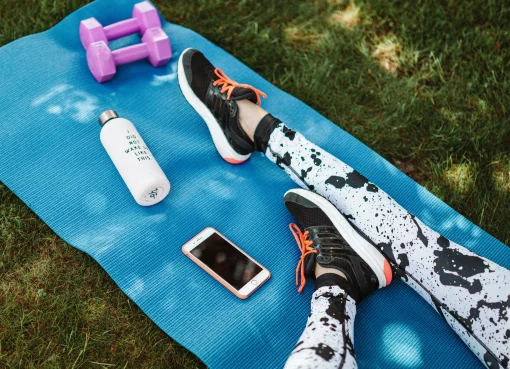
A comfortable workout outfit, supportive footwear, and enough room to move safely are generally sufficient. A water bottle and exercise mat can also make the experience more comfortable, although neither is essential for most standing exercises.
This convenience makes it easier to fit exercise into everyday life, whether during a morning break, after work, or before starting the day’s responsibilities.
5. Encourages Consistency and Builds Confidence
Developing a consistent exercise habit is often more important than completing an intense workout once in a while. Low-impact cardio gives beginners an opportunity to build confidence through simple, repeatable movements.
As fitness improves, individuals can increase their pace, extend their workout sessions, or add new exercises. Seeing gradual improvements in endurance can provide motivation to continue working toward long-term health goals.
The 20-Minute Low-Impact Cardio Workout for Beginners
This beginner-friendly workout combines marching in place, step touches, and standing knee raises. The routine is designed to keep the body moving without jumping, making it a convenient option for people who prefer simple home exercises.
Before starting, choose a clear space with a stable floor and enough room to move comfortably. Wear supportive shoes if needed, keep water nearby, and begin at a pace that feels manageable.
Minutes 1–3: Marching in Place
Marching in place is one of the easiest ways to warm up the body and introduce cardiovascular movement. It involves lifting one foot at a time while remaining in the same position.
Stand upright with your feet about hip-width apart. Begin lifting your knees alternately, as though walking without moving forward. Swing your arms naturally to encourage full-body movement. Keep your shoulders relaxed, maintain a comfortable posture, and avoid lifting your knees higher than feels natural.
Start slowly for the first minute, then gradually increase your pace as your body warms up. Focus on controlled movements instead of trying to move as quickly as possible.
Marching in place is especially useful for beginners because it requires very little coordination. It also provides an easy way to adjust workout intensity. Smaller steps and slower movements make the exercise easier, while slightly quicker marching can increase the cardiovascular challenge.
Minutes 4–8: Step Touches
Step touches are simple side-to-side movements that help improve coordination while keeping the body active.
Begin by standing with your feet together. Step your right foot out to the side, then bring your left foot toward it. Repeat the same movement in the opposite direction. Continue alternating from side to side at a steady pace.
Allow your arms to move naturally. You can swing them gently or bring them across your body to make the movement more engaging. Keep your knees slightly relaxed and avoid taking steps that feel too wide or uncomfortable.
For beginners, the most important thing is maintaining a comfortable rhythm. If the movement becomes difficult, slow down and reduce the size of each step. As coordination improves, you can gradually increase your speed.
Step touches are a useful addition to a home cardio workout because they encourage continuous movement without requiring jumping. They also provide variety between marching intervals, helping prevent the routine from feeling repetitive.
Minutes 9–13: Standing Knee Raises
Standing knee raises add another level of movement to the routine while engaging the abdominal and hip muscles.
Stand upright with your feet comfortably apart. Lift your right knee toward your waist or as high as feels comfortable, then lower it slowly. Repeat with your left knee and continue alternating sides.
Keep your upper body upright instead of leaning too far backward. Engage your abdominal muscles gently and use your arms for balance. You can move your opposite arm forward as each knee rises to create a natural walking rhythm.
Beginners should avoid forcing their knees too high. The objective is controlled movement, not achieving a particular height. If balance is a concern, perform the exercise near a sturdy chair or wall for support.
Standing knee raises can help develop coordination and improve lower-body movement control. When performed continuously, they also contribute to the cardiovascular component of the workout.
Minutes 14–17: Combine All Three Exercises
This section brings the movements together to create a slightly more continuous cardio session.
Start with marching in place for one minute. Move into step touches for the next minute, then finish with standing knee raises for another minute.
Try to maintain a steady pace while focusing on good form. You do not need to perform the movements quickly. If you become tired, slow down or pause briefly before continuing.
Combining exercises helps keep the workout interesting while introducing beginners to different movement patterns. It also allows the body to transition between exercises without requiring complicated choreography.
Minutes 18–20: Cool Down and Gentle Stretching
The final three minutes should focus on gradually reducing the intensity of your workout.
Begin with slow marching or gentle walking in place. Allow your breathing and heart rate to return toward normal rather than stopping suddenly after continuous activity.
Next, perform gentle stretches for your calves, thighs, shoulders, and arms. Hold each comfortable stretch without bouncing or forcing your joints into uncomfortable positions.
Cooling down gives your body time to transition from exercise to rest. It also provides an opportunity to notice how you feel after the workout and recognize improvements in your endurance over time.
How Often Should Beginners Do Low-Impact Cardio?
People who are new to exercise should begin with a manageable schedule rather than attempting to work out intensely every day. A 20-minute low-impact cardio routine can be performed several times per week, depending on individual fitness levels and recovery.
For example, beginners might start with three sessions per week, leaving recovery days between workouts. Once the routine feels comfortable, they can gradually increase the number of sessions or add more walking and other moderate physical activities throughout the week.
The general physical activity recommendation for adults is at least 150 minutes of moderate-intensity aerobic activity per week, alongside muscle-strengthening activities on two or more days. Beginners do not need to achieve this target immediately. Starting with shorter sessions and gradually building toward the recommendation is a realistic approach.
A simple weekly routine might include three 20-minute low-impact cardio sessions, two days of beginner strength training, and additional walking whenever convenient. Rest days can include gentle movement or complete recovery, depending on how the body feels.
Tips to Make Your Home Cardio Workout More Effective
The effectiveness of a beginner workout depends on more than the number of minutes spent exercising. Proper technique, consistency, and gradual progression all contribute to better results.
Start by choosing a pace that allows you to maintain control of your movements. Moderate-intensity exercise should make your breathing faster while still allowing you to speak in short sentences. If you are struggling to catch your breath, reduce the intensity and take a recovery break.
Pay attention to posture throughout the workout. Keep your shoulders relaxed, avoid locking your knees, and maintain a stable stance. Controlled movements are generally more useful than rushing through repetitions with poor technique.
As your endurance improves, introduce small challenges. You might march slightly faster, add more arm movements, or extend a session by five minutes. Increasing one aspect of your workout at a time allows your body to adjust without making the routine unnecessarily difficult.
It is also helpful to schedule workouts at a time that fits your lifestyle. Some people prefer exercising in the morning, while others find it easier to move after work. The best schedule is one that can be maintained consistently.
Finally, remember that recovery matters. Drink enough water, get adequate sleep, and allow your muscles time to recover. Exercise should support your overall health rather than leave you feeling constantly exhausted.
Combine Cardio With Healthy Eating for Better Weight Management
Exercise is only one part of a healthy weight management plan. Nutrition plays an equally important role in supporting energy levels, recovery, and long-term progress.
Instead of following restrictive diets, beginners can focus on balanced meals that include lean protein, vegetables, fruits, whole grains, and healthy sources of fat. Protein-rich foods such as eggs, fish, chicken, beans, and Greek yogurt can help support muscle maintenance and recovery.
Fiber-rich foods such as vegetables, oats, beans, and whole fruits can also support digestion and help people feel satisfied after meals. Drinking enough water throughout the day is important, especially when increasing physical activity.
A balanced approach to nutrition also leaves room for enjoying foods you love. For people who enjoy chocolate, Skinii Chocolate Hazelnut Bark is one option to explore when looking for a sweet snack. The key to healthy weight management is being mindful of portions and considering how snacks fit into your overall eating pattern rather than relying on any single food to produce weight loss.

Portion awareness can be useful for people working toward weight loss, but extreme calorie restriction is unnecessary and can make exercise more difficult. A sustainable eating pattern should provide enough energy to support everyday responsibilities and physical activity.
Combining a regular 20-minute cardio routine with balanced nutrition and strength training can create a more complete approach to healthy weight management. The objective is not to achieve dramatic changes overnight but to establish habits that can be maintained over time.
Common Mistakes Beginners Should Avoid
One common mistake is trying to exercise too intensely from the beginning. Starting with a difficult routine can lead to excessive fatigue, discomfort, and discouragement. Beginners should focus on mastering basic movements before increasing workout intensity.
Another mistake is expecting immediate weight loss. Body weight naturally fluctuates, and changes may not always be visible during the first few weeks. Instead of focusing entirely on the scale, pay attention to improvements in stamina, energy, coordination, and consistency.
Skipping warm-ups and cool-downs can also make workouts less comfortable. Taking a few minutes to prepare the body and gradually reduce activity is a simple way to make exercise sessions more manageable.
Finally, avoid comparing your progress with someone else’s fitness journey. Every person starts from a different level of experience, ability, and physical condition. Your progress should be measured against your own starting point.
Frequently Asked Questions About Low-Impact Cardio for Beginners
Is 20 minutes of low-impact cardio enough for beginners?
Yes. A 20-minute session is a practical starting point for someone who is new to exercise. It provides an opportunity to increase daily movement, improve cardiovascular endurance, and develop consistency. As fitness improves, beginners can gradually increase their weekly activity.
Can you lose weight with low-impact cardio at home?
Low-impact cardio can support weight loss by increasing physical activity and energy expenditure. However, weight loss also depends on nutrition, overall activity levels, sleep, and consistency. Combining home workouts with balanced eating habits can support healthier long-term results.
What is the easiest cardio exercise for beginners?
Marching in place is one of the easiest cardio exercises for beginners because it requires little space, no equipment, and minimal coordination. It can also be adjusted by changing the pace and height of each step.
Can beginners do low-impact cardio every day?
Some people can safely perform gentle low-impact activities daily, but beginners should allow time for recovery, especially when starting a new routine. Alternating workout days with walking, gentle stretching, or rest can help create a balanced schedule.
Do you need equipment for a 20-minute home cardio workout?
No. Exercises such as marching in place, step touches, and standing knee raises can be performed without specialized equipment. Comfortable clothing, a safe workout area, and supportive footwear are enough to get started.
Final Thoughts: Start Small and Build a Healthier Fitness Routine
Beginning an exercise journey does not require expensive equipment, complicated routines, or high-intensity workouts. Low-impact cardio offers a practical way for beginners to become more active, improve cardiovascular endurance, and support healthy weight management from home.
A simple 20-minute workout featuring marching in place, step touches, and standing knee raises can be an excellent first step toward building a consistent fitness habit. As confidence and endurance improve, these movements can become part of a broader routine that includes walking, strength training, and other enjoyable physical activities.
The most important part of starting is choosing a routine that feels achievable and continuing to show up for yourself. Small efforts repeated consistently can lead to meaningful improvements in fitness and overall well-being. Rather than focusing on quick results, make movement a regular part of your lifestyle and allow progress to develop naturally.

Leave a Comment