
Beginner Exercise Guide: How to Start Working Out Without Getting Overwhelmed
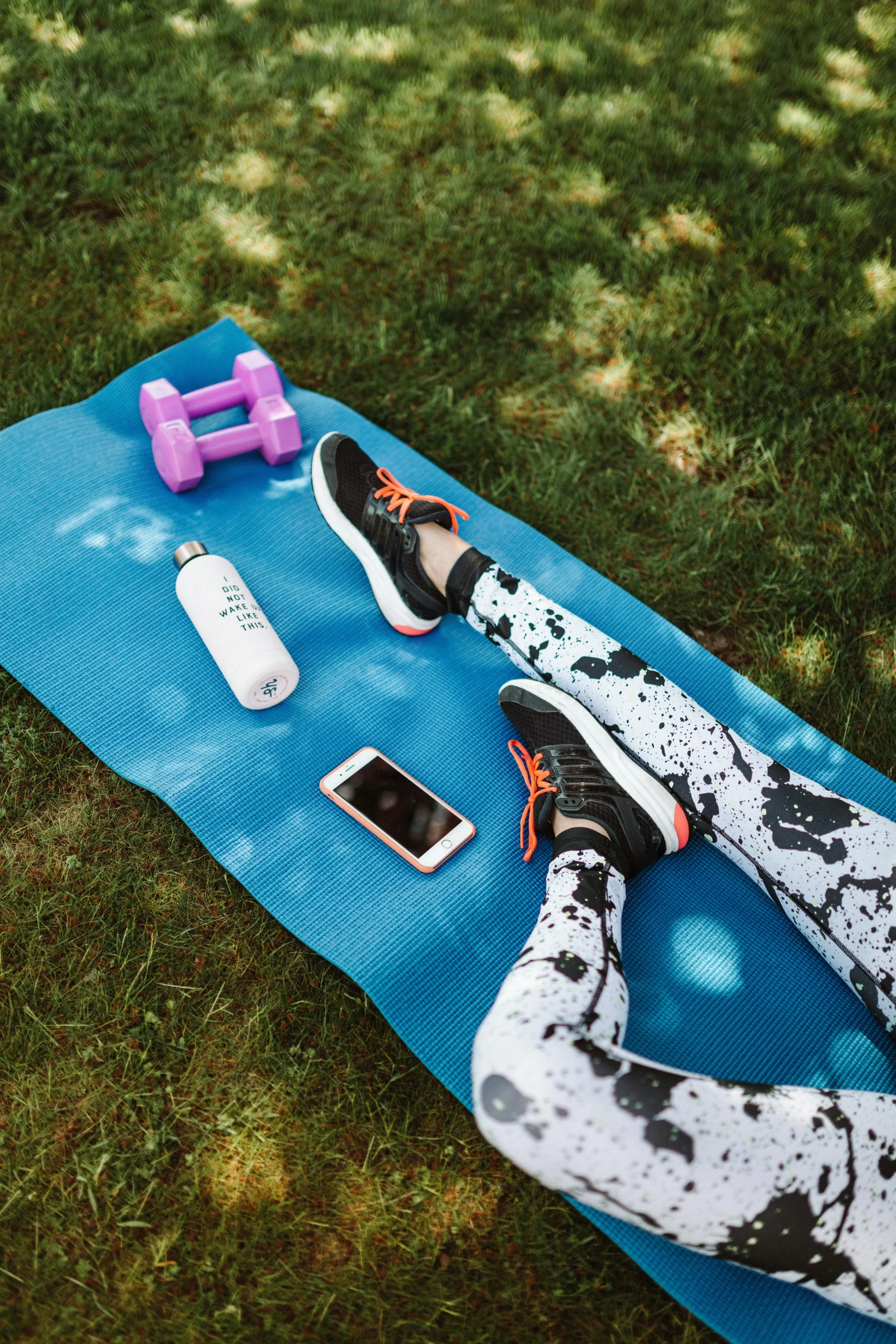
Introduction: Why Starting Exercise Feels Hard for Beginners
Starting an exercise routine is one of the most common health goals in the world, yet it is also one of the easiest to abandon. Many beginners feel overwhelmed by conflicting advice, intense workout routines online, or unrealistic fitness transformations seen on social media.
The truth is, exercise does not need to be extreme, complicated, or time-consuming to be effective. What matters most is consistency, structure, and starting at a level your body can actually sustain.
This beginner exercise guide will walk you through how to start working out safely, build confidence, and develop a sustainable routine without burnout. It also explores how fitness, nutrition, and supportive wellness habits work together for long-term results.
Why Exercise Matters for Beginners
Exercise is not just about weight loss. For beginners, it plays a much broader role in overall health and quality of life.
Key Benefits of Regular Exercise
- Improves cardiovascular health
- Boosts energy levels throughout the day
- Supports mental health and reduces stress
- Helps regulate appetite and metabolism
- Strengthens muscles and joints
- Improves sleep quality
Even light movement can create meaningful changes in your body over time. The key is to start small and progress gradually.
Step 1: Start With Realistic Expectations
One of the biggest mistakes beginners make is expecting fast transformation. Fitness progress is gradual, and your body needs time to adapt.
A realistic beginner mindset includes:
- Progress over perfection
- Consistency over intensity
- Small improvements instead of drastic changes
For example, walking 15–20 minutes daily is already a strong starting point for someone new to exercise.
Step 2: Choose Beginner-Friendly Exercises
You do not need gym equipment or complex routines to begin. The best beginner exercises are simple, low-impact, and easy to repeat.
Recommended Beginner Exercises
- Walking
- Bodyweight squats
- Wall push-ups
- Light stretching routines
- Planks (short duration)
- Step-ups using stairs
These movements build a foundation of strength and endurance without overwhelming the body.
Step 3: Build a Simple Weekly Routine
A structured plan helps eliminate confusion and increases consistency.
Beginner 7-Day Starter Plan
- Day 1: 20-minute walk + light stretching
- Day 2: Bodyweight exercises (squats, wall push-ups)
- Day 3: Rest or gentle walk
- Day 4: Full-body light workout
- Day 5: Walking or light cardio
- Day 6: Repeat bodyweight routine
- Day 7: Rest and recovery
This structure allows your body to adapt while preventing burnout.
Step 4: Focus on Proper Form, Not Intensity
Beginners often try to do too much too soon. This can lead to injury or fatigue.
Instead, focus on:
- Controlled movements
- Proper posture
- Slow and steady repetitions
- Breathing technique
Good form builds long-term strength and prevents unnecessary strain.
Step 5: Combine Exercise With Smart Nutrition
Exercise alone is not enough to achieve long-term fitness results. Nutrition plays a major role in energy, recovery, and body composition.
A balanced beginner approach includes:
- Protein for muscle repair
- Fiber for digestion and fullness
- Healthy fats for energy balance
- Adequate hydration
Some people also explore wellness supplements to support their routine. For example, plant-based formulations like Skinii Berberine Herbal Complex are often included in lifestyle programs focused on metabolic balance and general wellness support.

While supplements are not a replacement for exercise or diet, they are sometimes used as part of a broader health routine alongside lifestyle changes.
Step 6: Understand Weight Loss and Metabolism Basics
Many beginners start exercising with weight loss as their primary goal. While exercise can support fat loss, it works best when combined with overall lifestyle adjustments.
Metabolism is influenced by:
- Muscle mass
- Activity level
- Sleep quality
- Diet consistency
- Hormonal balance
Supporting metabolic health often requires a combination of movement, nutrition, and recovery habits rather than exercise alone.
Step 7: Avoid Common Beginner Mistakes
Many beginners quit early due to avoidable mistakes.
Common Mistakes to Avoid
- Doing too much too soon
- Skipping rest days
- Comparing progress to others
- Ignoring proper form
- Expecting immediate results
Fitness is a long-term process. The goal is to build habits, not chase perfection.
Step 8: Stay Consistent Even With Small Effort
Consistency matters more than intensity. Even short workouts can produce results when done regularly.
Examples of sustainable habits:
- 10–20 minute daily walks
- 3 short workouts per week
- Stretching before bed
- Taking stairs instead of elevators
These small actions compound over time.
Step 9: Track Your Progress
Tracking progress helps maintain motivation and shows improvement over time.
You can track:
- Energy levels
- Strength improvements
- Endurance increases
- Body measurements (optional)
- Mood and sleep quality
Progress is not always visible on the scale, especially in the beginning.
Step 10: Build a Long-Term Fitness Mindset
The most successful beginners are not the ones who train the hardest, but the ones who stay consistent.
A long-term mindset includes:
- Viewing exercise as a lifestyle
- Accepting slow progress
- Adjusting routines when needed
- Celebrating small wins
Fitness becomes easier when it is part of your daily routine rather than a temporary challenge.
The Role of Wellness Support in a Beginner Fitness Journey
Modern fitness routines often combine exercise with broader wellness habits. This includes sleep improvement, stress management, hydration, and sometimes nutritional supplementation.
Some wellness products are designed to complement lifestyle changes by supporting metabolic balance and digestive wellness. However, these should always be viewed as supportive tools rather than replacements for exercise or healthy eating.
The foundation of results will always come from consistent movement and balanced nutrition.
Conclusion: Start Simple, Stay Consistent, Build Confidence
Starting an exercise journey as a beginner does not require expensive equipment, extreme workouts, or complicated routines. It requires simplicity, patience, and consistency.
By focusing on basic movements, building a realistic routine, and supporting your lifestyle with proper nutrition and wellness habits, you can create long-term results without feeling overwhelmed.
The most important step is simply to start. Even small actions today can lead to meaningful changes in the future.


Leave a Comment