
The First 7 Days That Shape Your Year
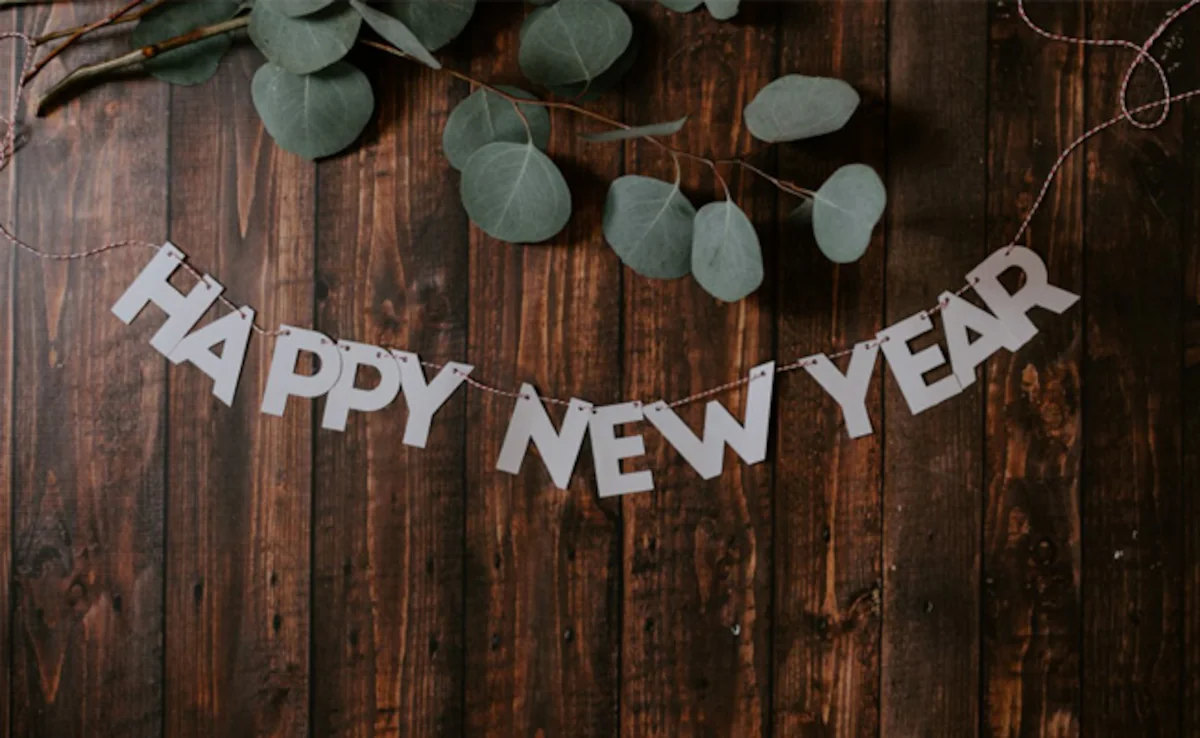
The first seven days of any new year carry an outsized influence over how the coming months will unfold. They are a unique window of opportunity, a symbolic reset point that invites introspection, goal setting, and the laying down of foundational habits. Psychologically, this week functions as a mental clean slate—an unspoiled canvas where intentions can be boldly written and, crucially, believed. Neuroscience supports this phenomenon, showing that the brain is particularly receptive to habit formation and behavioral change following a significant temporal marker, like New Year’s Day. During this first week, our minds are primed for fresh starts; the motivational surge triggered by the calendar flip is real and powerful. However, it is not just the setting of resolutions that matters, but how we approach these days: with mindfulness, realistic pacing, and self-compassion. The tendency to dive into grand, unsustainable plans can lead to burnout, while a measured focus on small, meaningful actions creates momentum and resilience. The first seven days thus become a microcosm of the year’s potential—how we negotiate early wins and setbacks sets a tone of either empowerment or frustration. This sacred period beckons us to cultivate patience, adaptability, and consistency, all of which underpin long-term growth and well-being.
Beyond the realm of individual psychology, the cultural significance of the first week of the year cannot be overstated. Societies across the globe have celebrated this temporal threshold as a liminal space, charged with rituals of cleansing, protection, and renewal. From ancient solstice festivals to contemporary New Year’s Eve traditions, the first days symbolize both an ending and a beginning—inviting collective hope and communal aspiration. This shared cultural weight adds layers of meaning to personal practice, reinforcing motivation through social participation. In the modern context, social media amplifies this effect, as millions broadcast their goals, affirmations, and “fresh start” mindsets, creating a feedback loop of inspiration and accountability. Yet this external noise can also generate pressure, turning a naturally hopeful moment into a source of comparison and self-judgment. The challenge, then, lies in balancing collective energy with individual authenticity—finding rituals and routines that resonate personally rather than adopting performative or externally imposed standards. Whether through journaling, meditation, physical movement, or creative expression, the first seven days offer a chance to re-anchor ourselves to values and visions that transcend fleeting trends. This alignment fosters a deeper sense of purpose, anchoring actions in meaning rather than mere productivity. When the cultural and personal converge in this way, the opening week of the year becomes a sacred container for transformation that extends far beyond its brief span.
Finally, the practical implications of how we navigate the first seven days ripple through every facet of our lives over the coming year. The patterns we establish—whether in health, relationships, work, or mindset—are often reflections of this formative window. For instance, those who commit to balanced nutrition and movement early on tend to sustain these habits longer, not because of rigid discipline but due to early reinforcement of identity as a “healthy person.” Similarly, setting boundaries around technology, social media, and downtime in this period can counteract the chronic overwhelm many face. Professionally, dedicating time in the first week to clarify priorities and break goals into manageable steps creates a roadmap that mitigates procrastination and decision fatigue. Emotionally, choosing to practice gratitude, forgiveness, or mindfulness lays groundwork for resilience against inevitable challenges. Crucially, the success of this initial period hinges not on perfection but on embracing imperfection as part of progress. The first seven days teach us the value of incremental change, reminding us that sustainable growth is a series of small, consistent choices rather than dramatic overhauls. In essence, this week sets a tempo—a rhythm of self-care, intention, and presence—that can carry us through the inevitable ups and downs ahead. Understanding and harnessing the power of these first seven days transforms them from symbolic markers into practical tools for shaping a year that reflects our deepest aspirations and fullest potential.

Leave a Comment