
Cool-cations: Why Your Next Trip Should Be a Social Reset
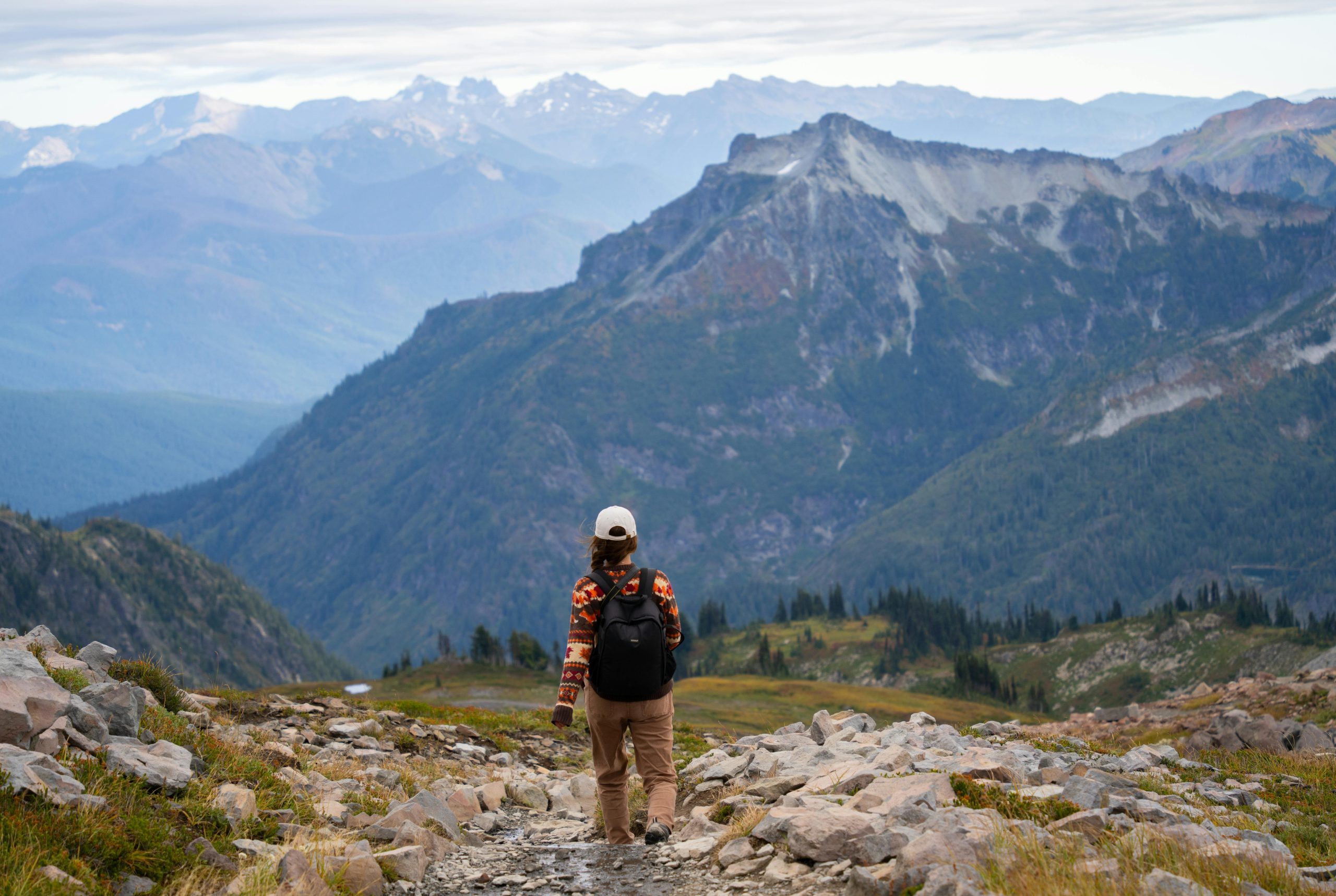
In 2026, travel is no longer defined by how far you go or how much you post—it’s defined by how deeply you disconnect. Enter the era of the cool-cation, a growing travel movement centered on cooler climates, slower rhythms, and intentional distance from the constant noise of modern life. But beyond escaping rising temperatures, cool-cations are emerging as something more meaningful: a powerful social reset for people overwhelmed by hyper-connectivity, burnout culture, and performative leisure.
After years of algorithm-driven living, many travelers are rethinking what rest actually means. Traditional vacations—packed itineraries, crowded hotspots, and content-ready moments—often replicate the same pressures people are trying to escape. Cool-cations offer an alternative. Set in quieter, cooler destinations such as Nordic towns, mountain villages, coastal fog belts, or forested retreats, these trips prioritize calm over stimulation. The lower temperatures naturally encourage slower movement, longer conversations, deeper sleep, and time spent offline, creating space for genuine mental and emotional recovery.
What makes cool-cations especially compelling in 2026 is their role as a social reset. Constant digital interaction has blurred the line between connection and obligation, leaving many people socially exhausted. Cool-cations reduce this friction by removing the expectation to be available, visible, or productive. In places where evenings are spent walking, reading, cooking, or simply sitting in silence, social interactions become intentional rather than performative. Relationships—whether with travel companions or oneself—are allowed to breathe.
Climate awareness has also played a role in this shift. As heatwaves intensify and summer travel becomes physically taxing, cooler destinations feel not only more comfortable but more responsible. Travelers are choosing places that support sustainability, seasonal balance, and a closer relationship with nature. This environmental consciousness dovetails with emotional well-being: being surrounded by mist, water, greenery, or mountain air has a grounding effect that overstimulated urban environments lack.
Cool-cations also reflect a broader cultural move toward low-pressure luxury. Instead of five-star excess, travelers are seeking thoughtful design, warmth, and simplicity. A well-made cabin, a quiet boutique hotel, or a remote coastal home offers a sense of care without spectacle. These environments subtly encourage reflection, helping travelers reset their internal pace and reconsider how they want to show up socially once they return home.
Importantly, a social reset doesn’t mean isolation—it means choosing presence over performance. Cool-cations create conditions for meaningful connection by stripping away distractions. Conversations last longer when there’s nowhere else to be. Shared silence becomes comfortable. Even solo travelers report feeling more socially restored after spending time in cooler, calmer settings where there is no pressure to constantly engage or consume.
As travel continues to evolve, cool-cations represent a shift away from escapism and toward restoration. They acknowledge that modern fatigue is not just physical, but social and emotional. In choosing cooler destinations and quieter experiences, travelers aren’t running away—they’re recalibrating. In 2026, the most transformative trips aren’t about doing more or seeing everything. They’re about slowing down, cooling off, and returning home socially lighter, clearer, and more grounded than before.


Leave a Comment