
Fresh Air Fitness: Beginner-Friendly Outdoor Workouts
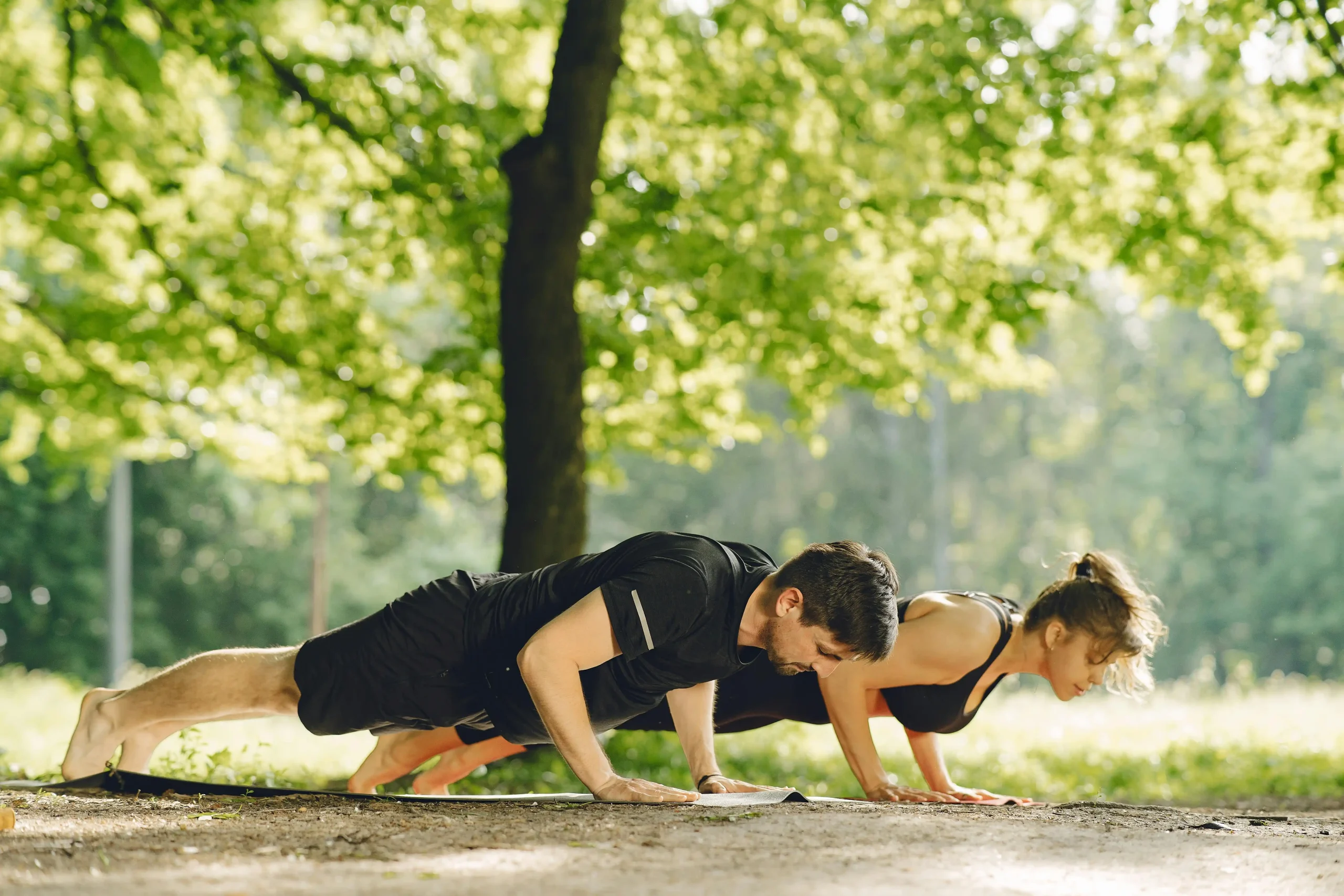
In today’s fast-paced world, finding time and motivation to exercise can be challenging — especially for beginners. The good news is that you don’t need an expensive gym membership or fancy equipment to get started. Outdoor workouts provide an excellent way to improve your health, boost your mood, and enjoy the beauty of nature. Fresh air fitness is not only refreshing but also highly effective for beginners who are just taking the first steps toward a healthier lifestyle.
In this guide, we’ll explore why outdoor exercise is great for beginners, introduce simple outdoor workouts, discuss safety tips, and offer strategies to help you stay consistent.
Why Outdoor Exercise Is Perfect for Beginners
Outdoor exercise has numerous benefits that make it ideal for beginners:
1. Natural Mood Booster
Exercising outdoors can significantly improve your mood. Sunlight exposure helps your body produce vitamin D, which is essential for bone health and has been linked to reduced feelings of depression and anxiety. Fresh air and natural surroundings can also reduce stress, leaving you feeling energized and positive after each session.
2. No Equipment Needed
One of the biggest barriers for beginners is feeling intimidated by gym equipment. Outdoor workouts often require little to no equipment, relying instead on your body weight and simple tools like a park bench or a mat. This makes it easier to start without worrying about complex machines or expensive memberships.
3. More Space and Freedom
When you exercise outdoors, you have room to move freely, whether it’s jogging in a park, doing lunges on a sidewalk, or practicing yoga on a grassy lawn. The open environment encourages natural movement and creativity, making workouts feel less restricted and more enjoyable.
4. Builds Consistency Through Enjoyment
Outdoor workouts tend to be more enjoyable than indoor routines, especially for beginners. Engaging with nature, listening to birds, or feeling the breeze makes exercise feel less like a chore and more like a recreational activity — which is key to building consistency.
Beginner-Friendly Outdoor Workouts
Here are some simple yet effective outdoor workouts perfect for beginners. Each can be adapted to your fitness level and performed in a park, backyard, or even on your street.
1. Walking and Power Walking
Walking is one of the simplest and safest forms of exercise. Start with a 20- to 30-minute walk at a comfortable pace. As you get comfortable, increase your speed to power walking, which raises your heart rate and boosts calorie burn.
Tips for beginners:
- Wear comfortable shoes with proper support.
- Keep your posture upright and shoulders relaxed.
- Use a park route or a flat sidewalk to reduce joint strain.
2. Jogging or Light Running
Once walking feels easy, add short bursts of jogging. Beginners can start with a walk/jog combination:
- Walk for 3 minutes, jog for 1 minute.
- Repeat for 20-30 minutes.
Gradually increase jogging intervals as your stamina improves. Jogging outdoors strengthens your heart, lungs, and legs while burning more calories than walking.
3. Bodyweight Exercises
Bodyweight exercises are versatile and perfect for outdoor workouts. They help build strength without requiring equipment.
Beginner-friendly options include:
- Squats: Strengthens legs and glutes.
- Lunges: Improves balance and lower body strength.
- Push-ups (knee or full): Works chest, shoulders, and arms.
- Planks: Builds core stability.
You can perform these in circuits, such as 3 sets of 10 repetitions each, resting for 30 seconds between exercises.
4. Stair or Hill Workouts
If you have access to stairs or a small hill, use it to add intensity to your workout. Walking or jogging up stairs strengthens your legs and increases cardiovascular fitness. Beginners should start slowly and take breaks as needed.
Tip: Focus on maintaining good form — avoid leaning forward or overstriding, which can cause knee or ankle strain.
5. Yoga and Stretching
Outdoor yoga is excellent for beginners who want a low-impact workout that improves flexibility, balance, and mental focus. Bring a mat to a quiet park area and follow beginner-friendly routines. Focus on breathing, gentle stretching, and posture alignment.
Beginner poses:
- Mountain Pose (Tadasana)
- Downward Dog (Adho Mukha Svanasana)
- Cat-Cow Stretch (Marjaryasana-Bitilasana)
- Child’s Pose (Balasana)
Yoga in nature provides a calming effect, helping you connect with your body while enjoying the outdoors.
6. Outdoor Circuit Training
For beginners wanting variety, outdoor circuits are a great way to combine cardio and strength. A sample beginner-friendly circuit:
- 5-minute brisk walk to warm up.
- 10 bodyweight squats.
- 10 push-ups (knee or full).
- 20 jumping jacks.
- 30-second plank.
- 1-minute brisk walk or light jog to cool down.
Repeat the circuit 2-3 times depending on your fitness level. Circuits are flexible and can be adapted as you progress.
Safety Tips for Outdoor Exercise Beginners
Starting a new outdoor fitness routine requires awareness and preparation. Follow these tips to stay safe and prevent injury:
- Warm-Up and Cool Down: Always warm up with light walking or stretching for 5 minutes before your workout, and cool down afterward to prevent muscle soreness.
- Stay Hydrated: Bring water, especially in hot weather.
- Wear Sunscreen and Appropriate Clothing: Protect your skin and wear breathable, moisture-wicking clothes.
- Listen to Your Body: Don’t push too hard; start with low intensity and gradually increase.
- Choose Safe Locations: Opt for well-lit, populated areas, especially if exercising alone.
- Footwear Matters: Wear supportive shoes suitable for your chosen activity to avoid injury.
Tips for Staying Motivated as a Beginner
Starting is often the hardest part, but these strategies can help you stay consistent:
- Set Small, Achievable Goals: Begin with 15-30 minutes, 2-3 times a week. Gradually increase duration and intensity.
- Track Your Progress: Use a fitness app or journal to monitor workouts and improvements.
- Exercise with a Friend: Social accountability increases motivation.
- Mix Up Workouts: Combine walking, yoga, and bodyweight exercises to prevent boredom.
- Celebrate Wins: Reward yourself when you hit milestones, like completing your first 5k walk or finishing a week of consistent workouts.
Benefits You’ll See Quickly
Even beginners can notice improvements within weeks:
- Increased energy and stamina.
- Better mood and reduced stress levels.
- Improved flexibility, balance, and strength.
- Weight management and increased metabolism.
- Enhanced mental clarity and focus.
These quick wins help build confidence and make it easier to maintain a long-term fitness habit.
Incorporating Outdoor Workouts into Daily Life
Outdoor fitness doesn’t need to be limited to dedicated workout sessions. Here are some simple ways to integrate fresh-air fitness into your day:
- Walk or bike instead of driving short distances.
- Take stairs instead of elevators.
- Do stretching breaks in your backyard or local park.
- Combine social activities with movement, like hiking with friends.
Even short 10–15 minute sessions of outdoor activity can make a difference when done consistently.
Conclusion
Fresh air fitness is a powerful, accessible, and enjoyable way for beginners to start exercising. Whether you prefer walking, bodyweight exercises, yoga, or light jogging, outdoor workouts provide physical and mental benefits that go beyond what indoor routines offer. The combination of natural surroundings, sunlight, and freedom of movement makes exercise feel less like a chore and more like a rewarding experience.
By starting with small, manageable routines, practicing safety, and staying motivated, beginners can build a sustainable outdoor fitness habit that improves health, mood, and overall quality of life. So, lace up your sneakers, step outside, and embrace the fresh air — your body and mind will thank you.



Leave a Comment